







Recognizing the Signs That Outpatient Therapy Is No Longer Enough
Living with severe depression is an exhausting, all-consuming battle. In a bustling, high-energy city like Nashville, the contrast between the vibrant world outside and the profound darkness you feel inside can make the isolation even more crushing. Many individuals suffering from major depressive disorder spend years diligently attending weekly outpatient therapy sessions and trying various psychiatric medications prescribed by their primary care doctors. Yet, the heavy fog refuses to lift. When the daily effort required simply to survive your own brain chemistry becomes paralyzing, it is a clear clinical signal that a higher level of intervention is required.
At Arbor Wellness, located in the peaceful enclave of Brentwood, Tennessee, we specialize in providing intensive residential mental health care for individuals struggling with treatment-resistant depression and complex co-occurring conditions. Recognizing exactly when your depression has escalated beyond the scope of weekly outpatient therapy is difficult, as depression itself inherently robs you of motivation and clarity. However, making the decision to seek residential treatment can be profoundly life-saving.
This guide will help you understand the clinical signs of severe, debilitating depression, why the environment matters, and how our highly immersive program provides the ultimate circuit breaker for a dysregulated mind.
How Does Depression Escalate to a Severe Clinical Level?
Depression exists on a wide spectrum. Mild to moderate depression can often be successfully managed with standard weekly therapy and basic lifestyle adjustments. However, when depression becomes severe, persistent, and resistant to standard outpatient treatments, it crosses into dangerous territory. We recognize that this slow progression is not always obvious to patients or their families until a crisis occurs.
The progression to severe, high-acuity depression often looks like this:
- Profound Anhedonia: The complete and total inability to experience pleasure or joy from activities, people, or hobbies that used to bring you happiness. The world feels entirely flat and colorless.
- Functional Impairment and Paralysis: You are no longer just feeling sad; you are functionally paralyzed. You avoid work, neglect personal hygiene, isolate from all social contact, and find getting out of bed to be physically painful.
- Cognitive Decline: Severe depression significantly impacts the brain’s executive functioning. You experience extreme “brain fog,” severe difficulty concentrating, memory loss, and an inability to make simple daily decisions.
- Treatment Resistance: You have diligently tried multiple classes of psychiatric medications (SSRIs, SNRIs) over many months without any meaningful improvement in your baseline mood.
- Desperate Coping and Ideation: The emergence of passive or active suicidal ideation, self-harm, or turning to substance use as a desperate attempt to numb the overwhelming emotional pain.
When Does Outpatient Treatment Become Insufficient?
We firmly believe in the power of outpatient therapy; modalities like Cognitive Behavioral Therapy (CBT) are highly effective. However, outpatient treatment inherently relies on the patient’s ability to safely return home and actively apply coping skills between sessions. It requires a baseline level of motivation and physiological stability that severe depression simply strips away.
Clinical Indicators That You Need Residential Care:
- The Need for a “Pattern Interrupt”: You cannot get well in the exact same environment that is making you sick. If your home or work life is fraught with triggers, stress, or isolation, a residential stay provides a complete environmental reset—a physical removal from the chaos.
- Safety and 24/7 Monitoring: When severe depression causes an inability to care for your basic physical needs or results in suicidal ideation, a monitored, highly secure environment is medically necessary to ensure your absolute safety.
- Real-Time Psychiatric Adjustments: In outpatient care, adjusting a failing medication regimen takes weeks of waiting between appointments. In our residential care setting, our psychiatric team observes you daily, allowing for rapid, safe medication adjustments and immediate interventions if side effects occur.
What Happens During Residential Depression Treatment at Arbor Wellness?
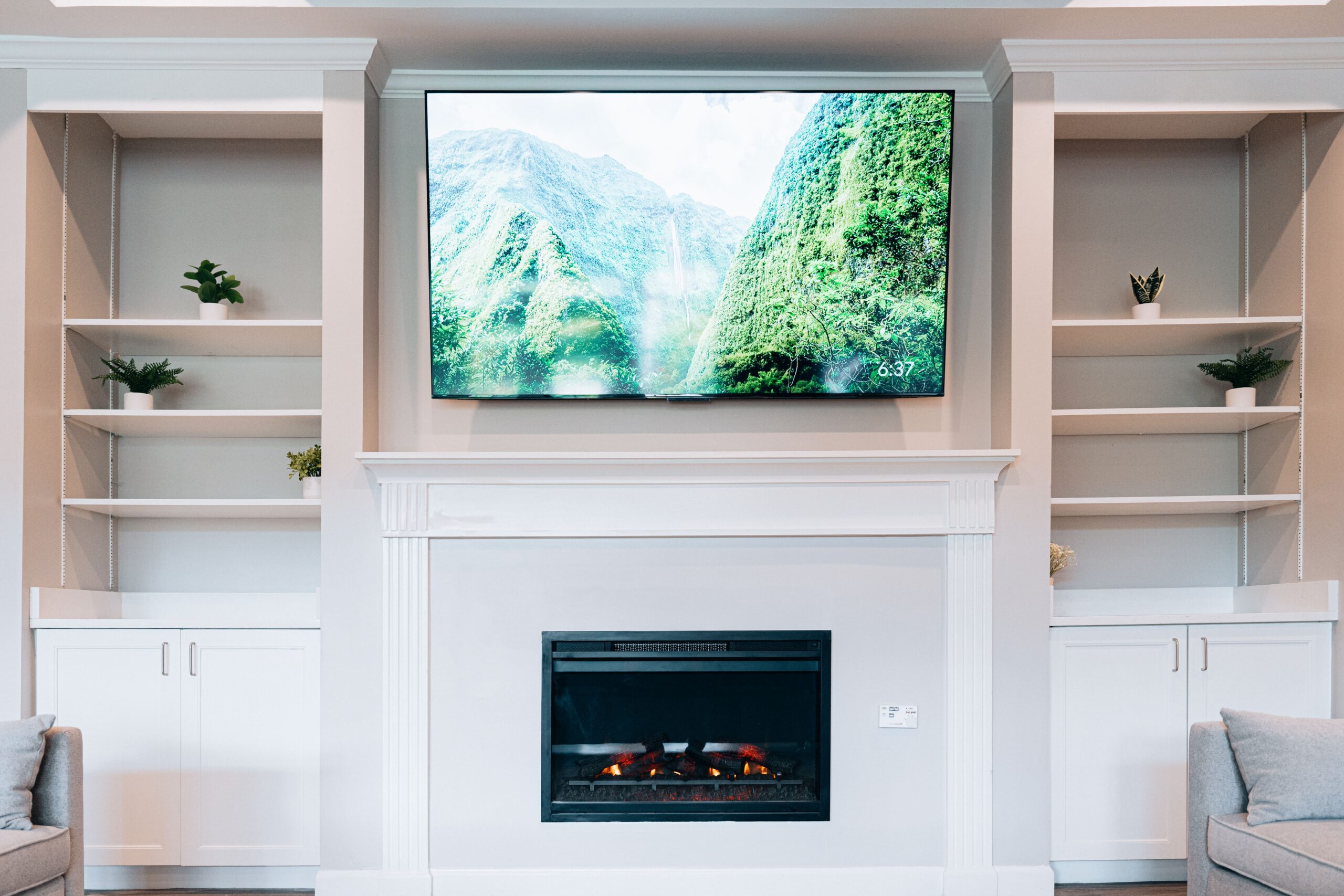
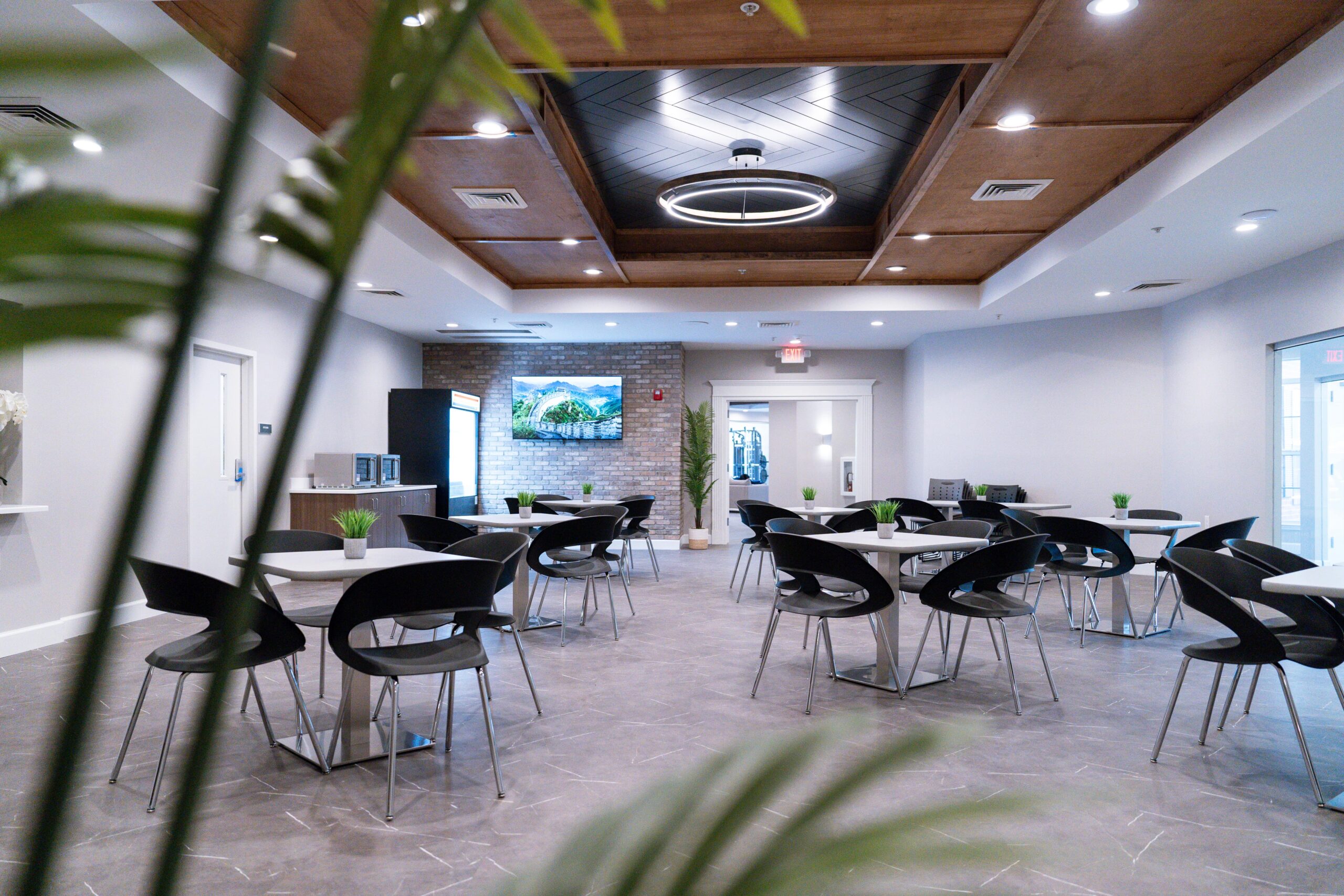
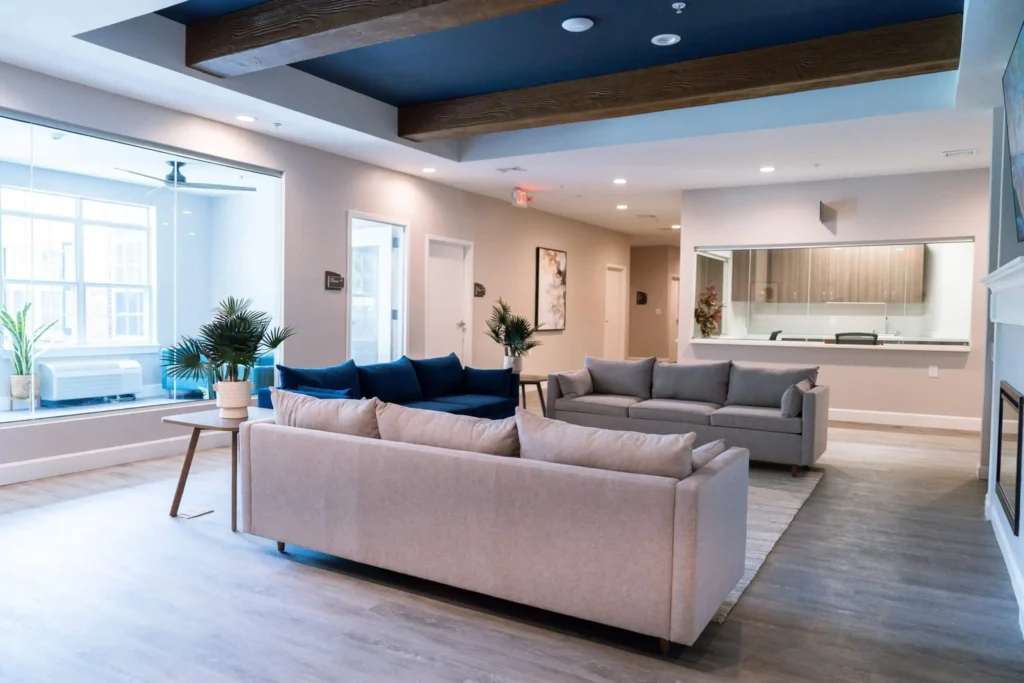
Our 30,000 square foot facility in Brentwood provides a luxurious sanctuary specifically designed to lower environmental stress and foster deep healing. We reject the sterile, hospital-ward feel; instead, we provide an environment of absolute dignity.
Multi-Modal, High-Tech Therapeutic Interventions
We do not rely on a single, outdated therapeutic approach. Your individualized treatment plan will aggressively target depression from multiple angles:
- Precision Psychiatry and Genetic Testing: We utilize advanced genetic testing to analyze exactly how your liver metabolizes psychiatric medications. This allows our Medical Director to bypass the agonizing “trial and error” phase and prescribe medications that are biologically compatible with your unique system.
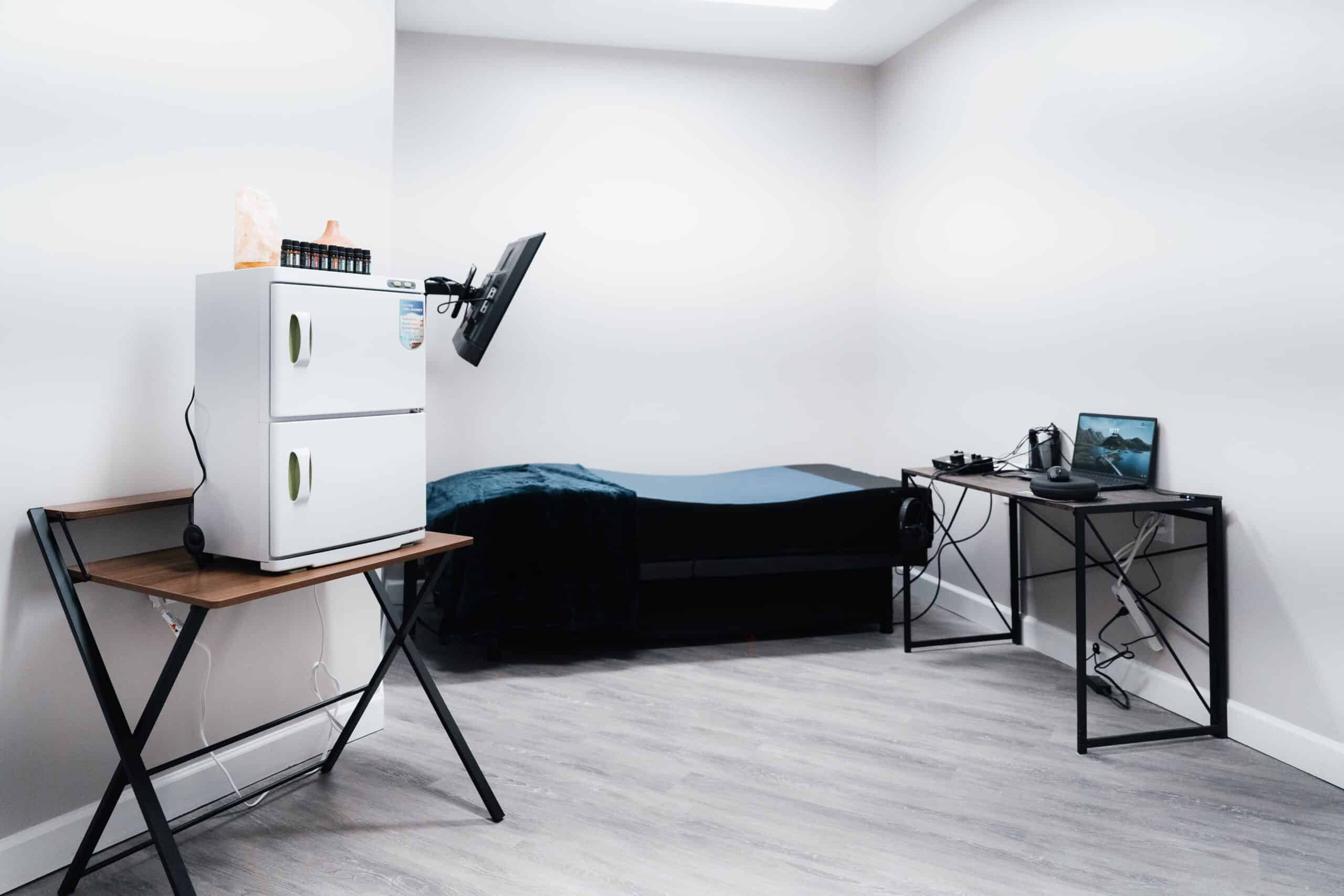
- Advanced Nervous System Regulation: You will have exclusive access to our Biosound Therapy Room. This vibroacoustic technology uses sound frequencies to physically activate the parasympathetic nervous system, inducing a restorative theta-wave state and forcing the body to relax. We also heavily utilize Alpha-Stim Treatment, an FDA-cleared cranial electrotherapy device proven to significantly reduce the symptoms of depression and insomnia without medication side effects.
- Nutrition for Brain Health: Severe depression devastates the gut-brain axis. We employ a Private Chef who prepares nutrient-dense, brain-healthy meals specifically formulated to reduce neuroinflammation and naturally boost serotonin and dopamine production.
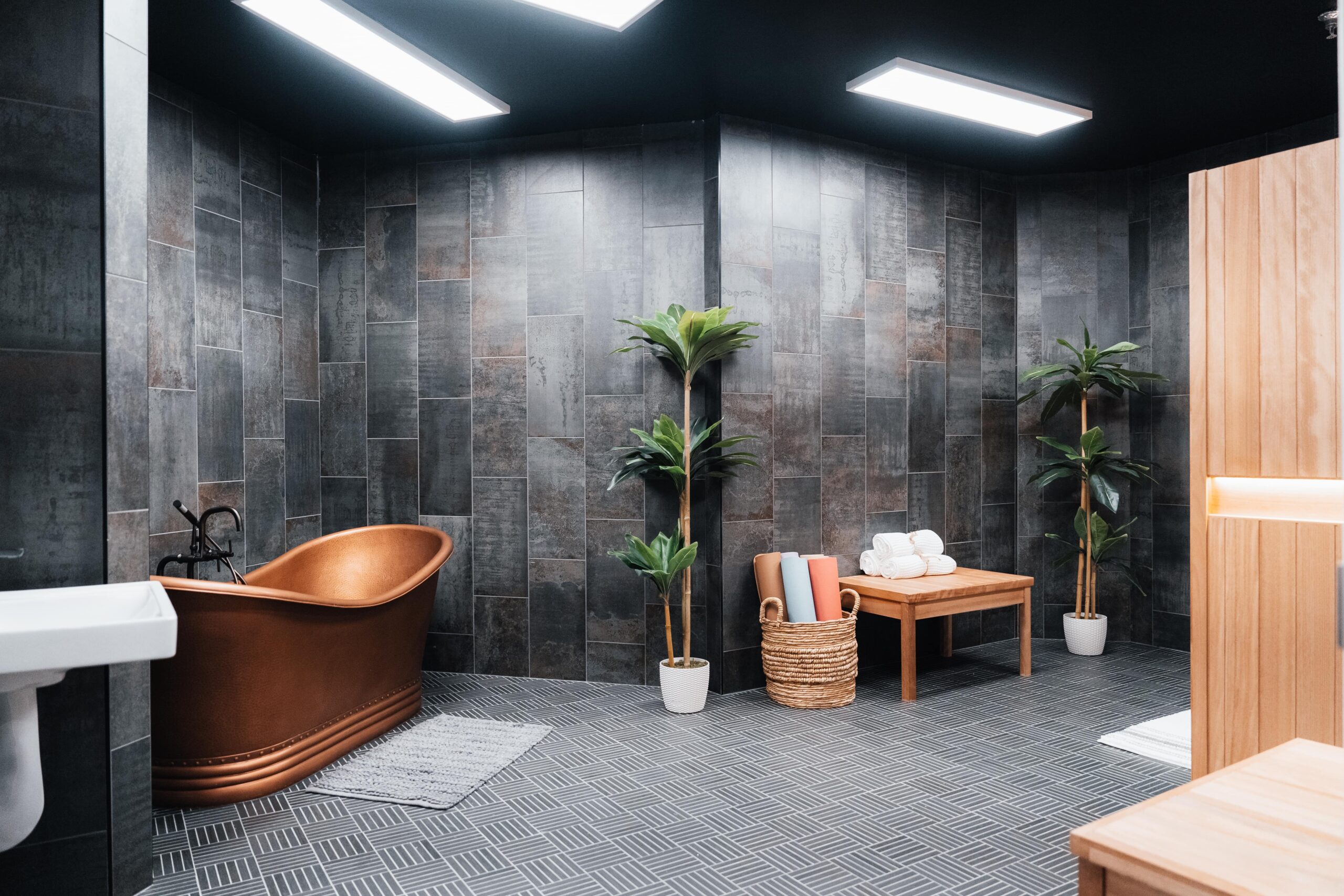
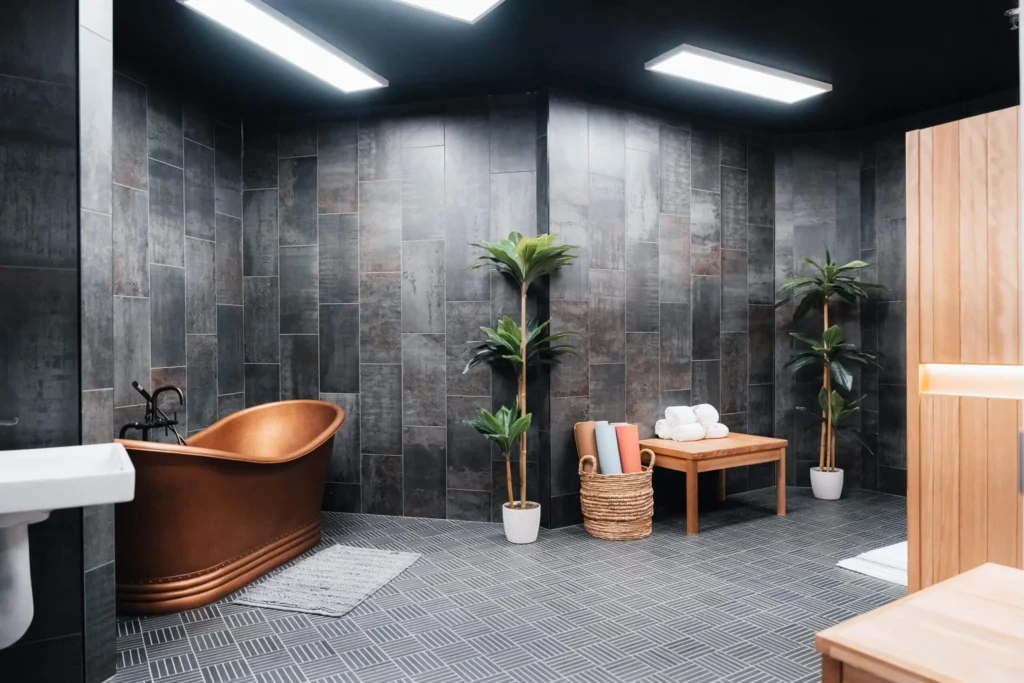
- The Spa and Sensory Experience: Our clients have access to a dedicated sensory room, trauma-informed yoga, and a high-end spa featuring a cold plunge and sauna, utilizing contrast therapy to stimulate endorphin release and build powerful distress tolerance.
Take the First Step: Reclaim Your Joy
We understand that reaching out for help—and considering leaving your home for residential treatment—is terrifying when depression has stolen your energy and hope. But making the choice to seek immersive care is not a surrender; it is a sign of immense strength and a profound act of self-preservation.
If severe depression has taken control of your life, Arbor Wellness is ready to help you take it back. We are in-network with Aetna, Cigna, and several other major providers to make this life-saving care accessible. Contact our admissions team today for a highly confidential assessment. We respond quickly because we know that a mental health crisis cannot wait.
Frequently Asked Questions About Severe Depression
Q: How long does residential treatment for depression typically last at Arbor Wellness?
A: Most patients at our Brentwood facility stay for 30 to 45 days, depending on the severity of their depression and their individual clinical progress. Discharge is based strictly on clinical readiness, ensuring you have the coping skills and medication stability needed to transition safely back home or to an intensive outpatient program.
Q: Is residential treatment confidential? What do I tell my employer?
A: Absolutely. Your treatment at Arbor Wellness is strictly protected by federal HIPAA laws. We prioritize the utmost privacy for our clients. Many professionals utilize the Family and Medical Leave Act (FMLA) to take a protected medical leave of absence, and our clinical team can assist you with providing general medical documentation that protects your diagnosis.
Q: What if I also struggle with anxiety or trauma alongside my depression?
A: Severe depression rarely exists in a vacuum. It frequently co-occurs with severe anxiety disorders, PTSD, or personality disorders. Our comprehensive psychiatric team is expertly trained to identify and treat these overlapping conditions simultaneously, providing a holistic and integrated path to recovery.
Sources
- National Institute of Mental Health. (2024). Depression. U.S. Department of Health and Human Services, National Institutes of Health. Retrieved from: https://www.nimh.nih.gov/health/topics/depression. Accessed on March 17, 2026.
- American Psychological Association. (2024). Clinical practice guideline for the treatment of depression across three age cohorts. Retrieved from: https://www.apa.org/depression-guideline. Accessed on March 17, 2026.
- Mental Health America. (2024). Depression. Retrieved from: https://mhanational.org/conditions/depression. Accessed on March 17, 2026.


