













Table of Contents

Medically Reviewed by
Dr. Thompson
Last updated: January 22, 2024
What is Social Anxiety Disorder?
Social Anxiety Disorder, also known as Social Phobia, is a mental health condition characterized by an intense, persistent fear of social situations where you might be judged, embarrassed, or scrutinized by others. This fear goes beyond normal nervousness and can be so overwhelming that it interferes with daily activities, work performance, and personal relationships.
People with Social Anxiety Disorder often experience extreme distress in situations such as meeting new people, speaking in public, eating in front of others, or being the center of attention. The fear of negative evaluation becomes so powerful that many individuals begin avoiding social situations altogether, which can lead to isolation and further reinforce the anxiety cycle.
Unlike general anxiety, social anxiety is specifically triggered by social interactions and the fear of social judgment. It typically develops during adolescence but can emerge at any age, and without proper treatment, it often persists into adulthood.
Social Anxiety Disorder vs Normal Shyness
While shyness and Social Anxiety Disorder share some similarities, they are fundamentally different experiences:
Normal Shyness:
- Temporary discomfort in new or unfamiliar social situations
- Ability to warm up and feel more comfortable as time passes
- Does not significantly interfere with daily functioning
- May actually enjoy social situations once initial nervousness passes
- Can push through discomfort when necessary
Social Anxiety Disorder
- Persistent, intense fear that doesn’t diminish with time or familiarity
- Significant impairment in work, school, or social functioning
- Physical symptoms that can be debilitating
- Avoidance of social situations becomes a primary coping mechanism
- Fear is disproportionate to the actual threat or situation
- Symptoms persist for six months or longer
The key difference lies in the severity and duration of symptoms, as well as the degree to which they impact your life.
While shy individuals may feel nervous before a presentation, someone with Social Anxiety Disorder might call in sick to avoid giving it altogether.
Learn More: Social Anxiety Disorder vs Generalized Anxiety Disorder
Signs and Symptoms of Social Anxiety Disorder
Social Anxiety Disorder manifests through a combination of physical, emotional, and behavioral symptoms that can vary in intensity from person to person.
Physical Symptoms
The body’s fight-or-flight trauma response activates during perceived social threats, leading to various physical manifestations:
- Rapid heartbeat or palpitations
- Sweating, particularly in the hands, face, or underarms
- Trembling or shaking hands/voice
- Blushing or feeling flushed
- Nausea or stomach upset
- Difficulty breathing or shortness of breath
- Muscle tension, especially in shoulders and jaw
- Dizziness or feeling lightheaded
- Hot or cold flashes
- Dry mouth or difficulty swallowing
These physical symptoms can be particularly distressing because they’re often visible to others, creating additional anxiety about being judged for appearing nervous.
Emotional Symptoms
The emotional experience of Social Anxiety Disorder involves intense feelings that can be overwhelming:
- Intense fear of being judged negatively by others
- Excessive worry about embarrassing or humiliating yourself
- Fear of offending others or saying the wrong thing
- Anticipatory anxiety before social events (sometimes weeks in advance)
- Feeling overwhelmed in social situations
- Persistent worry about past social interactions
- Fear of showing anxiety symptoms to others
- Feelings of inferiority or inadequacy
- Shame about having anxiety
- Loneliness and isolation despite wanting social connections
Behavioral Symptoms
Social anxiety often drives specific behaviors aimed at avoiding or minimizing perceived social threats:
- Avoiding social situations, parties, or gatherings
- Declining invitations or making excuses not to attend events
- Staying silent in group conversations or meetings
- Avoiding eye contact with others
- Speaking very quietly or mumbling
- Preparing extensively for social interactions or conversations
- Using alcohol or substances to cope with social situations
- Leaving social events early or arriving late to avoid attention
- Sitting in the back of rooms or finding ways to blend into the background
- Avoiding situations where you might be the center of attention
- Procrastinating on tasks that involve social interaction (making phone calls, attending appointments)
Take Our Free Anxiety Quiz
Wondering if what you’re feeling could be anxiety?
Our quick, confidential depression screening can help you understand your symptoms and decide on your next steps.
Your mental health matters. Take the first step toward feeling better today.
Causes and Risk Factors of Social Anxiety Disorder
Social Anxiety Disorder typically develops from a complex interaction of biological, psychological, and environmental factors. Understanding these contributing elements can help in both treatment planning and reducing self-blame.
Biological Factors
- Genetic predisposition (family history of anxiety disorders)
- Brain structure differences, particularly in the amygdala and prefrontal cortex
- Imbalances in neurotransmitters like serotonin and dopamine
- Heightened sensitivity to stress hormones
Psychological Factors
- Negative thought patterns and cognitive distortions
- Low self-esteem and poor self-image
- Perfectionist tendencies
- Catastrophic thinking patterns
- Past traumatic social experiences
Environmental Factors
- Overprotective or critical parenting styles
- Childhood bullying or social rejection
- Cultural emphasis on social performance and achievement
- Modeling anxious behavior from family members
- Significant life changes or stressful events
Risk Factors
- Being female (women are twice as likely to develop social anxiety)
- Having other mental health conditions like depression or generalized anxiety
- Having a chronic illness or condition that draws attention
- Experiencing major life transitions
- Having few social skills or limited social experience
Learn More: Does Social Anxiety Get Worse With Age?
DSM-5 Diagnostic Criteria
The Diagnostic and Statistical Manual of Mental Health Disorders, Fifth Edition (DSM-5) provides specific criteria for diagnosing Social Anxiety Disorder. A qualified mental health professional will assess whether an individual meets these criteria:
Primary Criteria
- Marked fear or anxiety about one or more social situations where the person is exposed to possible scrutiny by others
- Fear that they will act in a way or show anxiety symptoms that will be negatively evaluated
- Social situations almost always provoke fear or anxiety
- Social situations are avoided or endured with intense fear or anxiety
- The fear or anxiety is out of proportion to the actual threat posed by the social situation
- The fear, anxiety, or avoidance is persistent, typically lasting six months or more
- The symptoms cause clinically significant distress or impairment in social, occupational, or other important areas of functioning
- The fear, anxiety, or avoidance is not attributable to the physiological effects of a substance or another medical condition
The DSM-5 also specifies whether the disorder is “Performance Only” (if the fear is restricted to speaking or performing in public) or generalized across multiple social situations.
The Impact of Social Anxiety Disorder on Daily Life
Social Anxiety Disorder can profoundly affect virtually every aspect of an individual’s life, creating a ripple effect that extends far beyond social situations themselves.
Academic and Professional Impact
Students with social anxiety may struggle with class participation, group projects, presentations, and forming study groups. In the workplace, it can limit career advancement opportunities, networking, job interviews, and team collaboration. Many individuals with social anxiety underperform professionally not due to lack of competence, but because their anxiety prevents them from showcasing their abilities.
Relationship Challenges
Social anxiety can make it difficult to form and maintain meaningful relationships. Dating becomes particularly challenging, as the fear of judgment and rejection can prevent individuals from putting themselves in vulnerable situations. Existing relationships may suffer as social anxiety can be mistaken for disinterest or rudeness.
Social Isolation
Perhaps most significantly, social anxiety can lead to progressive social isolation. As individuals avoid more situations, their social skills may atrophy, creating a cycle where social interactions become increasingly difficult and anxiety-provoking.
Impact on Self-Esteem
Chronic avoidance and negative self-evaluation can severely impact self-worth. Individuals may begin to see themselves as fundamentally flawed or inadequate, further reinforcing their anxiety and avoidance patterns.
Physical Health Consequences
Chronic anxiety can lead to physical health problems including headaches, gastrointestinal issues, sleep disturbances, and a weakened immune system. The constant state of stress puts significant strain on the body’s systems.
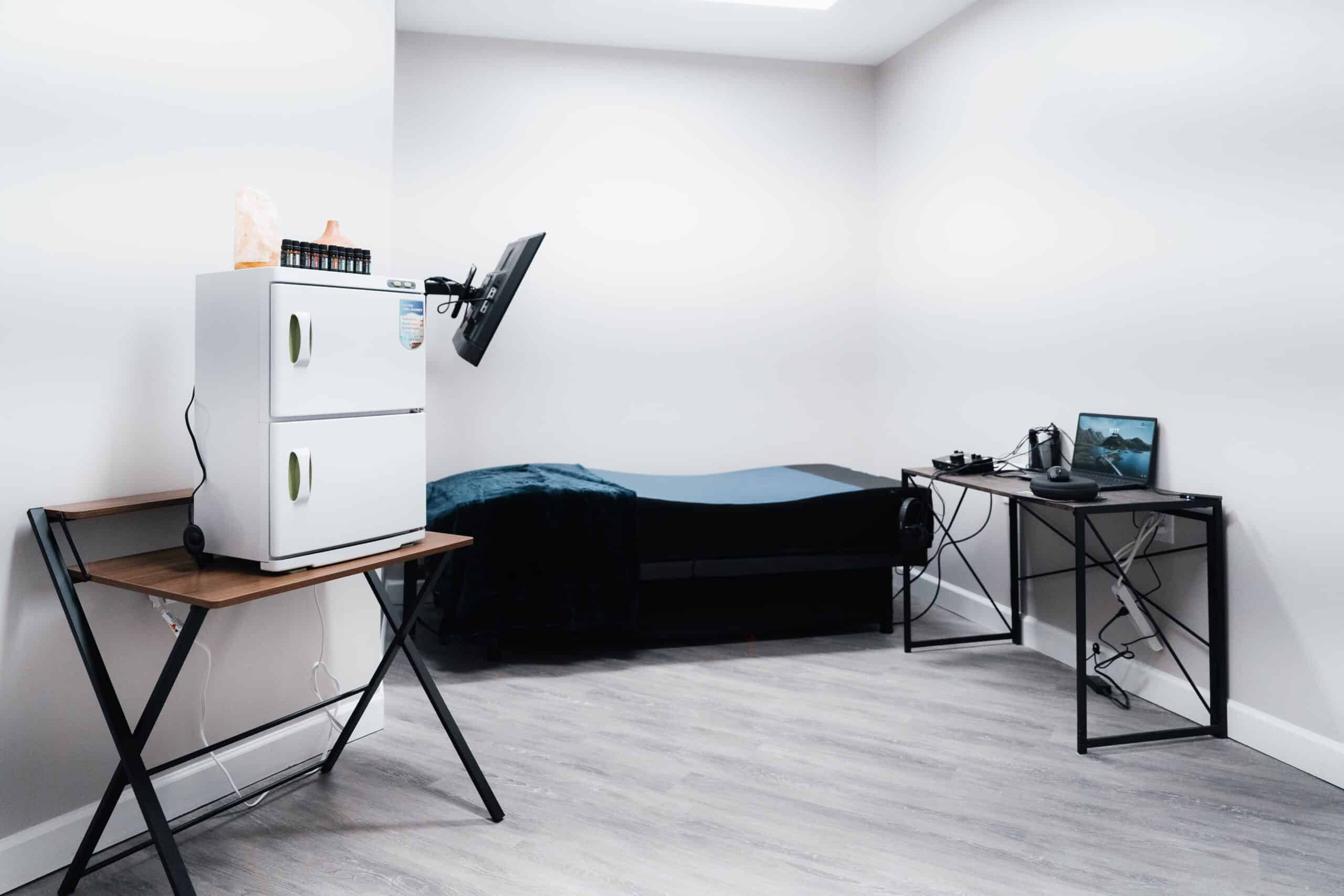
Step Inside Arbor Wellness
At Arbor Wellness, healing begins the moment you arrive. Our peaceful, modern facility is designed to support your recovery in a safe, comfortable, and welcoming environment. From thoughtfully furnished rooms to tranquil common spaces, every detail is built with your well-being in mind. Explore the video and photos below to see where your next chapter could begin.
Treatment Options for Social Anxiety Disorder
The encouraging news about Social Anxiety Disorder is that it responds very well to anxiety treatment. Multiple evidence-based approaches have shown significant effectiveness in helping individuals manage their symptoms and improve their quality of life.
Cognitive Behavioral Therapy (CBT)
CBT is considered the gold standard psychotherapy treatment for Social Anxiety Disorder. This approach helps individuals identify and change negative thought patterns and behaviors that contribute to their anxiety.
Key Components of CBT for Social Anxiety:
- Cognitive Restructuring: Learning to identify and challenge negative, distorted thoughts about social situations
- Exposure Therapy: Gradually and safely confronting feared social situations in a controlled, supportive environment
- Behavioral Experiments: Testing negative predictions in real-world situations to gather evidence against anxious thoughts
- Social Skills Training: Developing and practicing effective communication and interpersonal skills
- Relaxation Techniques: Learning methods to manage physical anxiety symptoms
CBT typically involves 12-16 weekly sessions, though the exact length can vary based on individual needs. Research consistently shows that CBT produces lasting improvements that continue even after treatment ends.
Group Therapy
Group therapy offers unique benefits for individuals with Social Anxiety Disorder, providing a safe environment to practice social skills while receiving support from others who understand the condition.
Benefits of Group Therapy
- Real-time practice of social interactions in a supportive setting
- Learning from others’ experiences and coping strategies
- Reducing feelings of isolation and shame
- Receiving feedback and encouragement from peers
- Observing successful social interactions modeled by others
- Cost-effective treatment option
Types of Group Therapy
- CBT Groups: Combining individual CBT techniques with group support
- Social Skills Groups: Focused specifically on developing and practicing interpersonal skills
- Support Groups: Peer-led groups that provide mutual support and encouragement
Medication
While medication alone is rarely sufficient for treating Social Anxiety Disorder, it can be an important component of a comprehensive treatment plan, particularly for individuals with severe symptoms.
Common Medications
- Selective Serotonin Reuptake Inhibitors (SSRIs): First-line medications including sertraline, paroxetine, and escitalopram
- Serotonin-Norepinephrine Reuptake Inhibitors (SNRIs): Such as venlafaxine, particularly effective for social anxiety
- Beta-blockers: For performance anxiety and controlling physical symptoms
- Benzodiazepines: Short-term use only due to dependency risk
Important Considerations
- Medication should always be prescribed and monitored by a qualified physician
- It may take several weeks to feel the full effects of antidepressant medications
- Side effects should be discussed thoroughly with your doctor
- Medication works best when combined with psychotherapy
Residential Treatment
For individuals with severe Social Anxiety Disorder that significantly impairs functioning and doesn’t respond to outpatient treatment, residential treatment programs may be necessary.
When Residential Treatment May Be Appropriate
- Severe agoraphobia or complete social isolation
- Dual diagnosis conditions such as severe depression, eating disorders, or substance abuse
- Previous outpatient treatments have been unsuccessful
- Significant impairment in ability to work, attend school, or maintain relationships
- Safety concerns or suicidal ideation
Benefits of Residential Treatment
- Intensive, comprehensive treatment approach
- 24-hour support and monitoring
- Immersive therapeutic environment
- Address co-occurring mental health conditions
- Structured social interactions and skill-building opportunities
- Medication management and medical monitoring
At Arbor Wellness, our residential treatment programs are specifically designed to provide comprehensive, individualized care for individuals struggling with severe anxiety disorders, including Social Anxiety Disorder.
Coping Strategies and Self-Help Techniques
While professional treatment is often necessary for Social Anxiety Disorder, there are several self-help strategies that can complement therapy and provide additional support in managing symptoms.
Mindfulness and Relaxation Techniques
- Practice deep breathing exercises to manage physical anxiety symptoms
- Learn progressive muscle relaxation to reduce overall tension
- Develop mindfulness meditation practices to stay present rather than catastrophizing
- Use grounding techniques during anxiety episodes
Gradual Exposure
- Start with less threatening social situations and gradually work up to more challenging ones
- Set small, achievable social goals for yourself
- Celebrate small victories and progress
- Practice social skills in low-stakes environments
Cognitive Strategies
- Keep a thought journal to identify negative thinking patterns
- Practice challenging negative thoughts with evidence and alternative perspectives
- Develop realistic, balanced thoughts about social situations
- Focus on what you can control rather than others’ potential judgments
Lifestyle Modifications
- Maintain regular exercise, which can significantly reduce anxiety symptoms
- Prioritize good sleep hygiene
- Limit caffeine and alcohol, which can worsen anxiety
- Eat a balanced diet and stay hydrated
- Build and maintain a support network of understanding friends and family
Preparation Strategies
- Practice conversations or presentations in advance
- Prepare topics of conversation for social events
- Arrive early to social events to gradually acclimate to the environment
- Have an exit strategy that makes you feel more secure
Learn More About Anxiety DIsorders
Discover more about recognizing, understanding, and managing anxiety disorders:
Still have questions?
We’re here to help you find clarity and the right care.
Call us now or click below to verify your insurance and take the first step toward healing.
When to Seek Professional Help
While some degree of social nervousness is normal, it’s important to recognize when social anxiety has become a disorder requiring professional intervention. Consider seeking help if you experience:
Significant Impairment
- Your anxiety prevents you from attending work, school, or important social events
- You consistently avoid situations that are important for your personal or professional growth
- Your relationships are suffering due to avoidance or anxiety
- You experience panic attacks in social situations
Persistent Symptoms
- Your anxiety has lasted for six months or longer
- Symptoms are not improving on their own or with self-help strategies
- You find yourself avoiding more situations over time rather than fewer
Impact on Mental Health
- You’re experiencing depression alongside your social anxiety
- You have thoughts of self-harm or suicide
- You’re using alcohol or drugs to cope with social situations
- Your self-esteem and sense of self-worth are significantly impacted
Physical Health Concerns
- You experience frequent physical symptoms like headaches, stomach problems, or sleep disturbances
- Your anxiety is affecting your appetite or eating habits
- You’re experiencing chronic stress-related health problems
Treatment at Arbor Wellness
At Arbor Wellness, we understand that Social Anxiety Disorder is a complex condition that requires comprehensive, individualized treatment. Our team of experienced mental health professionals specializes in evidence-based treatments for anxiety disorders, providing compassionate care in a supportive, non-judgmental environment.
Our Approach
We believe in treating the whole person, not just the symptoms. Our mental health treatment programs address not only the immediate symptoms of social anxiety but also any underlying trauma, co-occurring conditions, and life circumstances that may be contributing to your struggles.
We understand that reaching out for help with social anxiety can feel overwhelming and frightening. Our team is committed to making your first contact as comfortable as possible, and we work at your pace throughout the treatment process. Every member of our staff understands anxiety disorders and is trained to provide the support and encouragement you need to begin your recovery journey.
All of our therapies are grounded in scientific research and proven effectiveness. We stay current with the latest developments in anxiety disorder treatment to ensure you receive the most effective care possible.
Take the First Step Toward Freedom from Social Anxiety
Social Anxiety Disorder doesn’t have to control your life. With proper treatment and support, you can learn to manage your anxiety, build confidence in social situations, and reclaim the relationships and opportunities that matter to you.
Contact our admissions team at Arbor Wellness today to speak with one of our caring intake specialists. We’ll help you understand your treatment options and take the first step toward a life free from the constraints of social anxiety.
You Are Not Alone.
You Deserve To Get Help.
Arbor Wellness is an industry leader in mental health treatment. Our team of top medical experts specialize in dual diagnosis treatment and are committed to ensuring that each patient is treated as an individual.
Call us today, we’re available 24/7.
Insurance Can Help Cover the Cost of Treatment
We work with most major health insurance plans—including those with out-of-network benefits—to help make detox and recovery more affordable.
Click below to verify your coverage and explore your options today.