










Residential Mental Health Treatment for Lexington Residents
Arbor Wellness is a residential mental health program in Brentwood, Tennessee, in the Nashville area. For adults across Central Kentucky, care begins with a few hours on the highway and a quiet place to stay while the hardest work gets done.
Clinically reviewed by the Arbor Wellness clinical team · July 2026
Lexington sits where Interstate 64 and Interstate 75 come together, ringed by the New Circle Road beltway (KY-4). It is a good place to live and, for a lot of families, a hard place to get truly well when the problem is a serious mental health condition. Outpatient therapy near home helps many people. For others, the same house, the same commute, and the same phone that will not stop buzzing are part of what keeps them stuck.
Arbor Wellness offers another option: residential mental health treatment, where an adult steps out of daily life for a stretch of focused care. Our campus is in Brentwood, in the Nashville area, and Kentucky has been part of who we serve for a while. Many of the people who first reach us from the Bluegrass State are weighing the same question, whether they are the one who needs care or the parent, partner, or adult child trying to figure out the next step for someone they love.
Who Travels From Lexington to Arbor, and Why
By the time someone searches for residential treatment, home has usually stopped working as a place to heal. More than one in five American adults lives with a mental illness in a given year, and for a smaller group, the illness is severe enough that a weekly appointment cannot hold it. The depression has not lifted after the second or third medication. Panic keeps a person from driving to Nicholasville or holding down a shift. Old trauma has started running the day.
Arbor is built for adults with high-acuity mental health needs, meaning symptoms serious enough that once-a-week care is not enough to keep a person safe. That includes treatment-resistant depression, the kind that does not respond to the first medications a person tries. It includes complex trauma, the kind that builds up over years of repeated harm rather than a single event. It includes bipolar disorder, severe anxiety, and the long stretches of suicidal thinking that make a family afraid to leave someone alone. When a mood or trauma condition also comes with substance use, our team treats both together as a dual diagnosis, because treating one and ignoring the other rarely holds.
Leaving Lexington for a few weeks is not a failure. For a serious mental health condition, the distance itself can help. Away from the arguments, the late-night spirals, the group chat, and the daily pressures that feed the illness, the brain gets a quieter room to reset in. The residential level of care exists for exactly this situation, when someone needs a structured, around-the-clock setting to stabilize rather than a hospital or a weekly session. Clinical frameworks such as the ASAM Criteria define that level of care, and it is why people drive here from all over the region.
Trusted and Recognized by Leading Mental Health Organizations





The Drive From Central Kentucky to Brentwood
The trip is easier than most people expect. Lexington sits at the I-64 and I-75 junction, and from there the route runs southwest toward Nashville. The drive to our Brentwood campus, just off Interstate 65 south of the city, takes about three and a half hours. Families in Versailles, Georgetown, and Frankfort are only a few minutes from the same highways.
If driving is not the right call, Blue Grass Airport (LEX) sits about five miles from downtown Lexington, with a short connection to Nashville International Airport (BNA) on the other end. Some families drive down together for admission and fly home, which gives everyone a little time in the car to say what needs saying before the goodbye. Either way, the goal is the same: get the person somewhere calm and safe, then begin.
Kentucky is not new territory for us. We serve adults from across the state, from Louisville on the Ohio River to Bowling Green off I-65, and Lexington sits squarely on that map. Wherever home is, the first conversation is the same, and it starts with what has been happening and what has already been tried.
What Residential Care Looks Like at Arbo
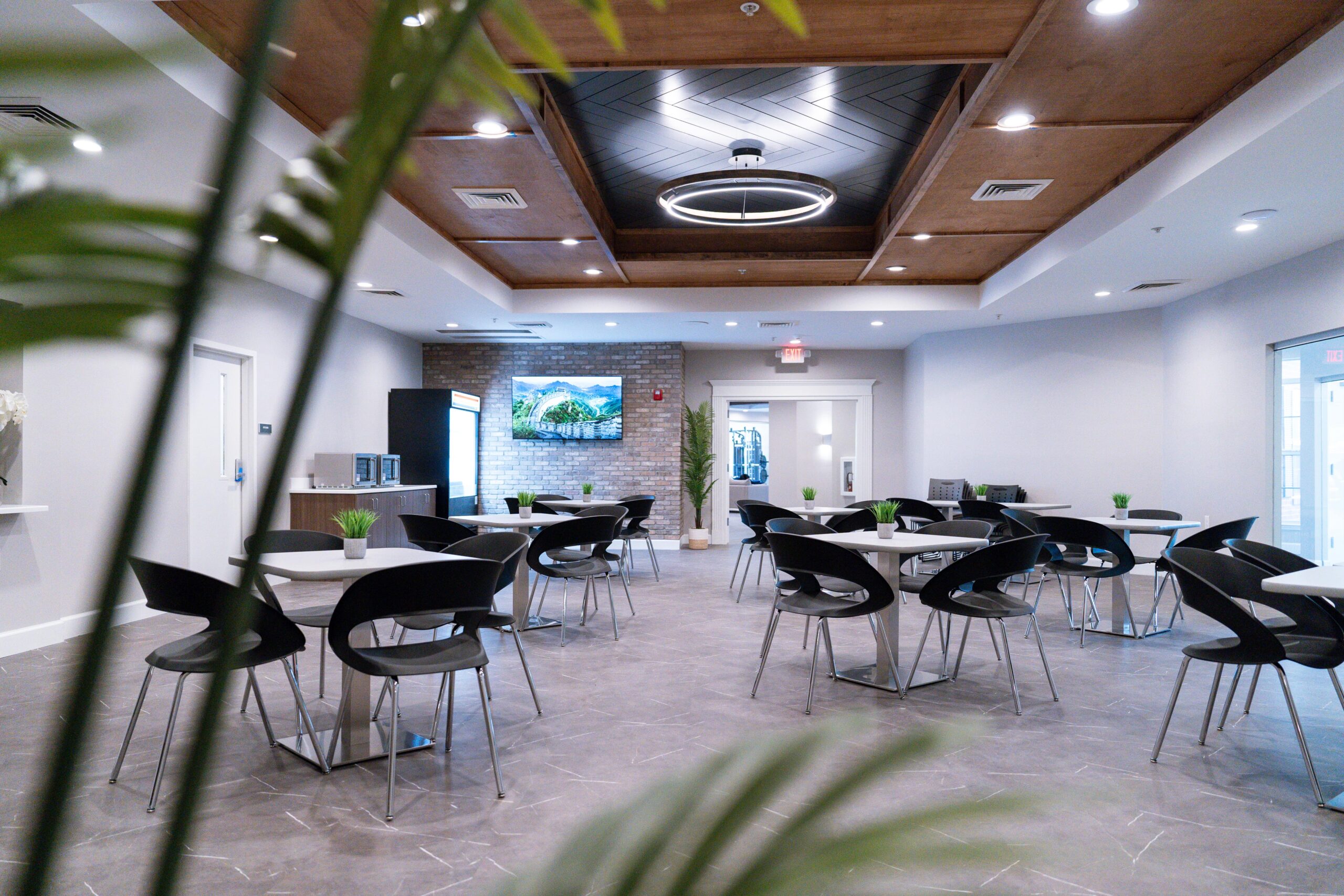
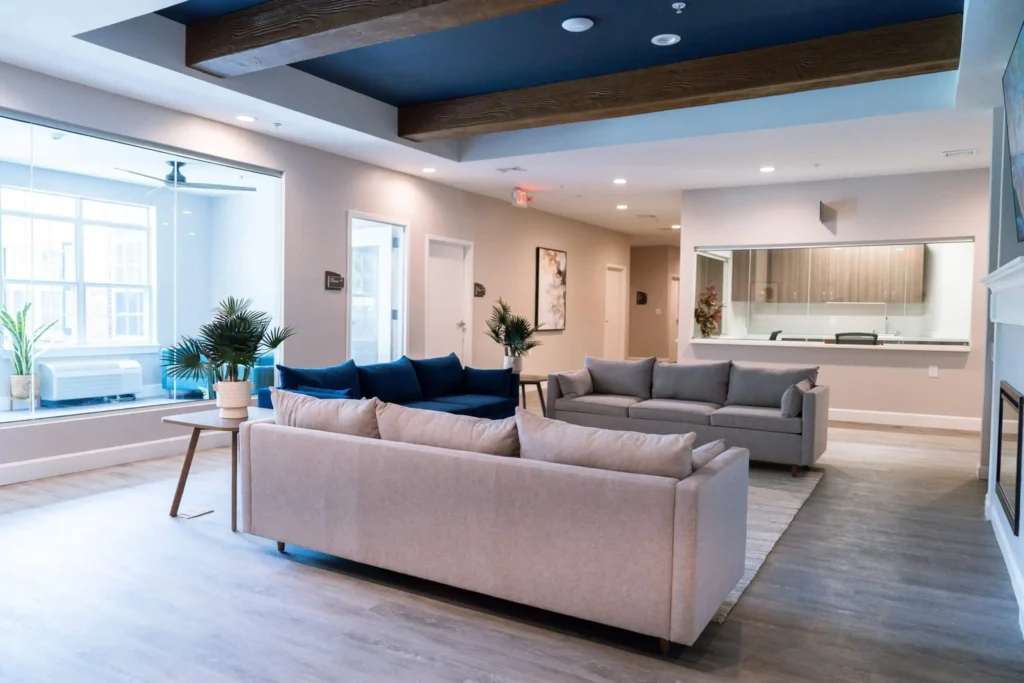
Arbor is a residential treatment center, which means around-the-clock support in a home-like setting rather than a hospital ward. Adults live on our Brentwood campus and move through a daily structure of individual and group work, with physician-led medical oversight and master’s-level therapists carrying the clinical load. The setting is calm on purpose. For a nervous system that has been running on high alert, calm is part of the medicine.
The clinical work leans on approaches with a strong evidence base, matched to the person rather than pulled off a checklist:
- Cognitive and dialectical behavior therapy: CBT and DBT, structured talk therapies that help a person notice a thought, question it, and choose a steadier response.
- Trauma-informed and somatic therapy: approaches that treat trauma as something held in the body, not just the memory, so healing includes the physical sense of safety.
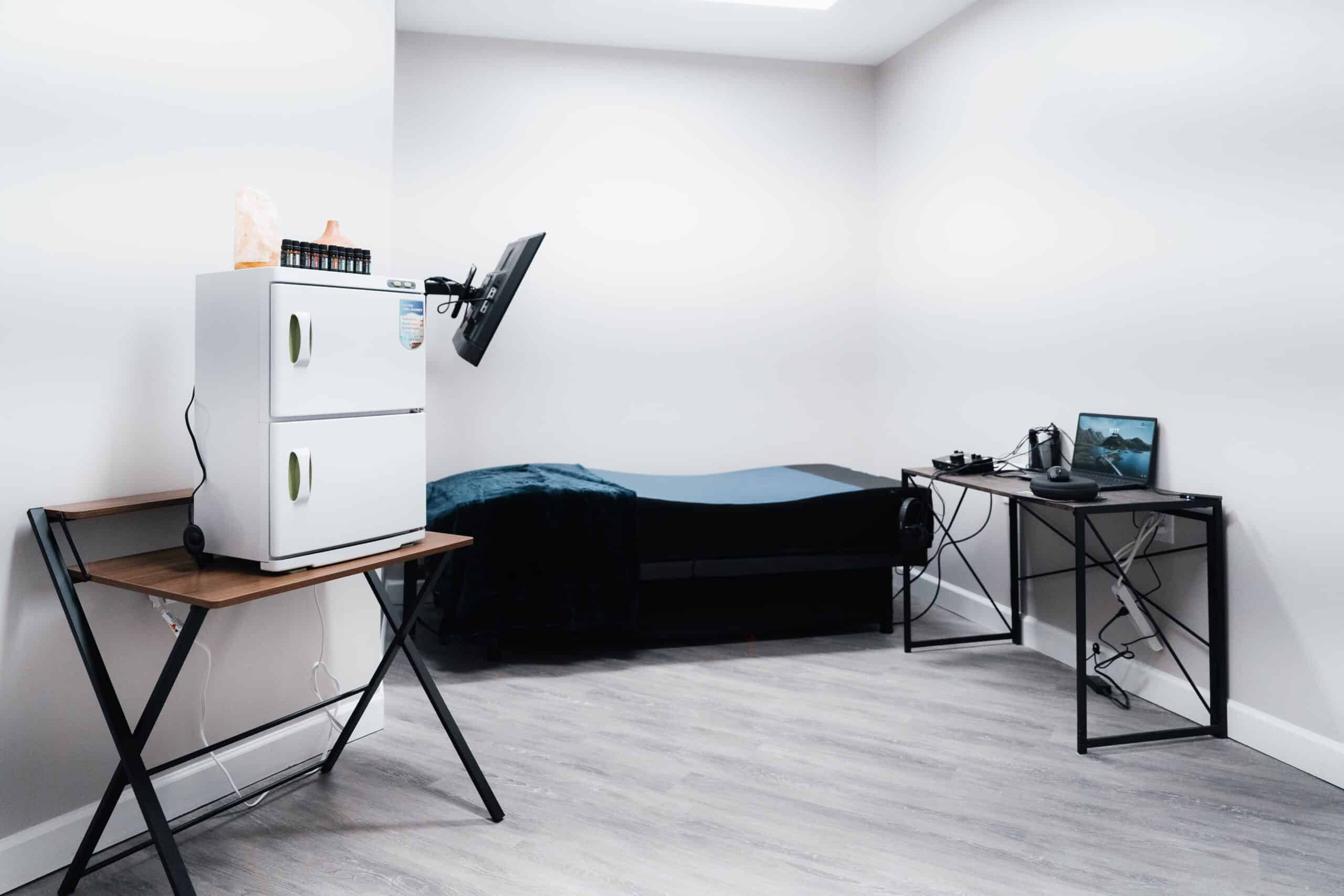
- Alpha-Stim and Biosound therapy: gentle, drug-free tools that use mild electrical current or sound and vibration to quiet an overactive stress response.
- Family therapy: structured sessions that bring a Kentucky family into the work, because the home someone returns to matters as much as the weeks away.
- Art and music therapy: ways to work through what is hard to say out loud, which for many people comes before the words do.
The campus is built for dignity, not indulgence. A private chef keeps nutrition steady when appetite is one of the first things a mental health crisis takes. A spa with a cold plunge and sauna, a sensory room, and trauma-informed yoga give the body concrete ways to settle. These are clinical tools inside a residential setting, chosen because comfort and steadiness help the harder therapeutic work land.
Insurance, Family, and Staying Connected to Kentucky
Cost is usually the second question, right after “is this the right place.” Arbor Wellness is in-network with Aetna and Cigna, including many of the plan variations Kentucky employers offer. Before anyone commits to a drive, our admissions team will verify your specific benefits and tell you in plain terms what your plan covers and what it does not.
Distance worries families, and it should be named out loud. A parent in Lexington cannot drop by on a Sunday the way they could with a program down the road. What Kentucky families get instead is structured contact: regular phone check-ins and family therapy that treats the people at home as part of recovery, not visitors to it. The aim is that the person who returns to Central Kentucky comes back to a family that has done some of the work too.
When residential care ends, the plan does not stop at the state line. Our team helps arrange the next step, whether that is outpatient therapy back home in the Bluegrass or a prescriber to keep medications steady. Kentucky’s public behavioral health system, coordinated through the state’s Department for Behavioral Health, Developmental and Intellectual Disabilities, is one of the resources we can point families toward for care close to home.
From Lexington to Arbor Wellness
If you have read this far, you are probably closer to a decision than you were an hour ago, whether the person who needs care is you or someone you have been holding up for a long time. The next step is a conversation, not a commitment. Reach out through the Arbor Wellness admissions team, and we will verify your insurance, answer the honest questions about the drive from Lexington, and walk through what the first days look like. If you are not ready today, that is all right. The information will still be here, and so will we, whenever you decide the time is right.
Insurance Can Help Cover the Cost of Treatment
We work with most major health insurance plans—including those with out-of-network benefits—to help make detox and recovery more affordable.
Click below to verify your coverage and explore your options today.






Meet the Experts Behind Your Care
At Arbor Wellness, every team member is dedicated to your recovery, from our clinicians to our support staff. Our experts combine proven treatments with compassionate care to support healing in mind, body, and spirit.

Dr. Seth Thompon
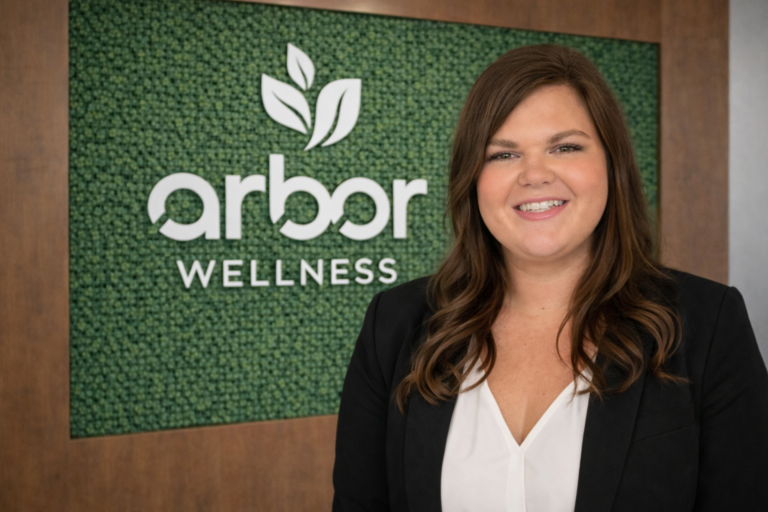
Amanda Johnson
Makayla George, LCSW
Real Quotes From clients who found healing
Faqs About mental health Treatment Lexington, KY
No. Arbor Wellness is a residential mental health program located in Brentwood, Tennessee, in the Nashville area. We serve adults from Lexington and across Central Kentucky who travel to our campus for round-the-clock care, but we do not operate a clinic, beds, or offices in Lexington itself.
The drive is about three and a half hours. From the I-64 and I-75 junction in Lexington, the route runs southwest to our Brentwood campus, just off Interstate 65 south of Nashville. Families who prefer to fly can connect from Blue Grass Airport (LEX) to Nashville International Airport (BNA).
Arbor Wellness is in-network with Aetna and Cigna, including many plan variations Kentucky employers use. Coverage depends on your specific plan, so our admissions team will verify your benefits and explain what residential mental health treatment will and will not cost before you make any decision.
Arbor treats adults with high-acuity mental health conditions, including treatment-resistant depression, complex trauma and PTSD, bipolar disorder, severe anxiety, and suicidal thinking. When a mental health condition occurs alongside substance use, our team treats both together.
Sources
- Kentucky Department for Behavioral Health, Developmental and Intellectual Disabilities. (n.d.). Kentucky Department for Behavioral Health, Developmental and Intellectual Disabilities. Retrieved from: https://dbhdid.ky.gov/. Accessed on July 15, 2026.
- National Institute of Mental Health. (n.d.). Mental illness statistics. Retrieved from: https://www.nimh.nih.gov/health/statistics/mental-illness. Accessed on July 15, 2026.
- National Institute of Mental Health. (n.d.). Depression. Retrieved from: https://www.nimh.nih.gov/health/publications/depression. Accessed on July 15, 2026.
- U.S. Department of Veterans Affairs, National Center for PTSD. (n.d.). Complex PTSD: History and definitions. Retrieved from: https://www.ptsd.va.gov/professional/treat/essentials/complex_ptsd.asp. Accessed on July 15, 2026.
- American Society of Addiction Medicine. (n.d.). The ASAM criteria. Retrieved from: https://www.asam.org/asam-criteria. Accessed on July 15, 2026.