








ADHD Symptoms in Women: Decades of Being Overlooked
The signs of attention-deficit/hyperactivity disorder in women rarely look like a restless boy who cannot sit still. They look like a smart, capable adult who is exhausted from holding it all together. Understanding that difference is often the first real answer in years.
It often starts in a pediatrician’s office. A mother sits through her daughter’s ADHD evaluation, hears the questions, recognizes every single one, and drives home wondering why no one ever asked them about her. For other women the door opens differently: a burnout that did not lift after the vacation, a new manager who reads lateness as carelessness, or a friend’s quiet sentence, “I think this might be me too.” However the recognition arrives, the message underneath it is the same. You are not lazy, and you are not broken. You may be living with a form of ADHD that was built to go unnoticed, one that clinicians have only recently learned to see in women at all.
That recognition matters whether you are the woman reading your own life back to yourself, or the partner, parent, or adult child who has watched someone you love work twice as hard for half the calm. At Arbor Wellness in Brentwood, just south of Nashville off I-65, we see this pattern often. Many of the women who come to us for what looks like anxiety or depression treatment are carrying an attention difference that no one ever named. ADHD in women is not rare. It is under-recognized, and the difference between those two things can mean years of a person blaming herself for a wiring difference she did not choose.
Why ADHD in Women Hides for So Long
The classic image of ADHD comes from studies done mostly on young boys: hyperactive, disruptive, impossible to miss in a classroom. Girls and women more often have the inattentive presentation, which is the quieter form. Instead of bouncing off the walls, the restlessness turns inward. It shows up as a mind that will not stop running, a daydream you cannot climb out of, or a tab open in your head that you can never quite close.
Because that internal restlessness does not disrupt anyone else, it gets missed. A girl who is staring out the window but not causing trouble does not get referred for an evaluation. She gets called “spacey” or “a daydreamer,” and she grows into a woman who has quietly decided she is just bad at the things everyone else finds simple. The hyperactivity is still there; it has just gone underground, into racing thoughts, over-talking, or a body that feels wrong sitting still even when the face stays calm.
There is also the matter of masking, which is the constant, often unconscious work of covering symptoms to look like everyone else. A woman with ADHD may build elaborate systems of lists, alarms, and color-coded calendars, not because she is hyper-organized by nature, but because she has learned that without them, things fall apart. Masking works, right up until it doesn’t. When the demands get high enough, a job change, a new baby, a parent who gets sick, the scaffolding collapses, and what looks like a sudden breakdown is often a lifetime of compensation finally running out.
What ADHD Symptoms in women Actually Look Like Day to Day
ADHD is not a problem of knowing what to do. It is a problem of getting the brain to start, stay with, and finish the thing you already know you should do. Clinicians describe this as difficulty with executive function, which is the brain’s management system for planning, prioritizing, and following through. In plain terms, it is the gap between intending to send the email and watching three weeks go by with the email still unsent, while you cannot explain to yourself why.
The signs of ADHD in women often get mistaken for personality flaws or moral failings. That is part of what makes them so painful to carry. What you may experience as proof that something is wrong with you is, more accurately, a recognizable cluster of symptoms.
Common Signs of Inattentive and Combined ADHD in Women
- Time blindness: Chronically underestimating how long tasks take, running late despite genuine effort, or losing whole hours without noticing them pass.
- Task paralysis: Staring at a task you care about and being physically unable to begin, then drowning in shame about the delay.
- Rejection sensitivity: A deep, sometimes physical reaction to perceived criticism or disappointing someone, far out of proportion to the event.
- Emotional intensity: Feelings that arrive fast and large, hard to regulate in the moment, often followed by exhaustion.
- Working memory slips: Walking into a room and forgetting why, losing the thread mid-sentence, or rereading the same paragraph five times.
- Hyperfocus: Disappearing into a project for hours while everything else, including meals and messages, falls away completely.
Reading a list like this can be a strange mix of relief and grief. Relief that there is a name for it. Complex grief for the years spent believing it was a character defect. That mixed reaction is one of the most common responses women describe, and it makes complete sense. A pattern that has a name also has a path forward, and that is the part worth holding onto.




When It Looks Like Anxiety, Depression, or Hormones Instead
One of the biggest reasons ADHD goes unrecognized in women is that it so often travels with other conditions, and the other condition is the one that gets treated. A woman who is constantly behind, bracing for the next dropped ball, and replaying her mistakes at 2 AM looks anxious, and she may genuinely have an anxiety disorder. But sometimes untreated ADHD is driving much of the anxiety, and treating only the anxiety brings just partial relief.
The same is true for depression. Years of falling short of your own standards, of being told you have so much potential if you would just apply yourself, wears a person down. That erosion can become a real depressive episode that deserves real treatment.
Distinguishing what is ADHD, what is a co-occurring mood condition, and what is the understandable result of living undiagnosed for decades is exactly the kind of careful sorting a thorough depression assessment is built to do.
Hormones add another layer that is unique to women and frequently ignored. Estrogen influences dopamine, the brain chemical most tied to attention and motivation. When estrogen drops, around the menstrual cycle, after childbirth, and through the years leading up to menopause (perimenopause), symptoms of ADHD in women often get noticeably worse.
Many women describe the days before their period as a time when their usual coping systems simply stop working. For some, this overlaps with premenstrual dysphoric disorder, a severe, cyclical mood condition that can sit right alongside an attention difference. None of this is a coincidence, and none of it means you are imagining the change.
Why Late Diagnosis Hits So Hard, and Why It Still Helps
A woman who reaches her thirties, forties, or fifties before anyone names her ADHD has usually built an entire identity around compensating for it. Finding out late can feel like being handed an explanation and a loss in the same breath. An answer brings real relief, even as it opens an ache for the woman you might have been with support you never got. Those two feelings tend to arrive together, and that is normal.
The reason diagnosis still matters, even decades in, is that ADHD is not a fixed sentence about your worth. It is a description of how your attention system works, and that system responds to the right support. Understanding the wiring is part of a broader recognition that brains are built differently, a reality known as neurodivergence. It is also worth knowing that the older term ADD and the current term ADHD describe the same underlying condition, a distinction we cover in more depth in ADD versus ADHD. The label is less important than what it unlocks: a way of working with your brain instead of against it.
For partners and family members reading this, the most useful thing to understand is that the forgetfulness, the lateness, and the half-finished projects were never about how much she cares. ADHD lives in the gap between intention and action, not in the size of the intention. Knowing that can change a marriage, a household, and the way a family talks to each other, often before any formal treatment even begins.
How Arbor Wellness Assesses and Treats ADHD and ADHD Symptoms in Women
Getting this right starts with a careful evaluation rather than a quick checklist. Because ADHD in women so often hides underneath anxiety, depression, trauma responses, or hormonal shifts, a rushed appointment frequently misses it or mislabels it.
Arbor Wellness offers structured mental health assessments and psychiatric evaluation designed to look at the whole picture, including the conditions that tend to travel together, so the plan that follows actually fits the person in front of us.
Treatment is built on the understanding that medication, when it is part of the plan, manages symptoms of ADHD in women but does not teach the skills that years of masking never allowed someone to develop. That skill-building is where therapy earns its place.
Cognitive behavioral therapy helps untangle the harsh self-talk that decades of falling short tend to install, while building practical structure around starting and finishing tasks.
Dialectical behavior therapy offers concrete tools for the emotional intensity and rejection sensitivity that so often come with the territory.
For some women, pharmacogenetic testing, which looks at how your body is likely to process certain medications, can help our medical team make more informed prescribing decisions and reduce the trial-and-error that frustrates so many people.
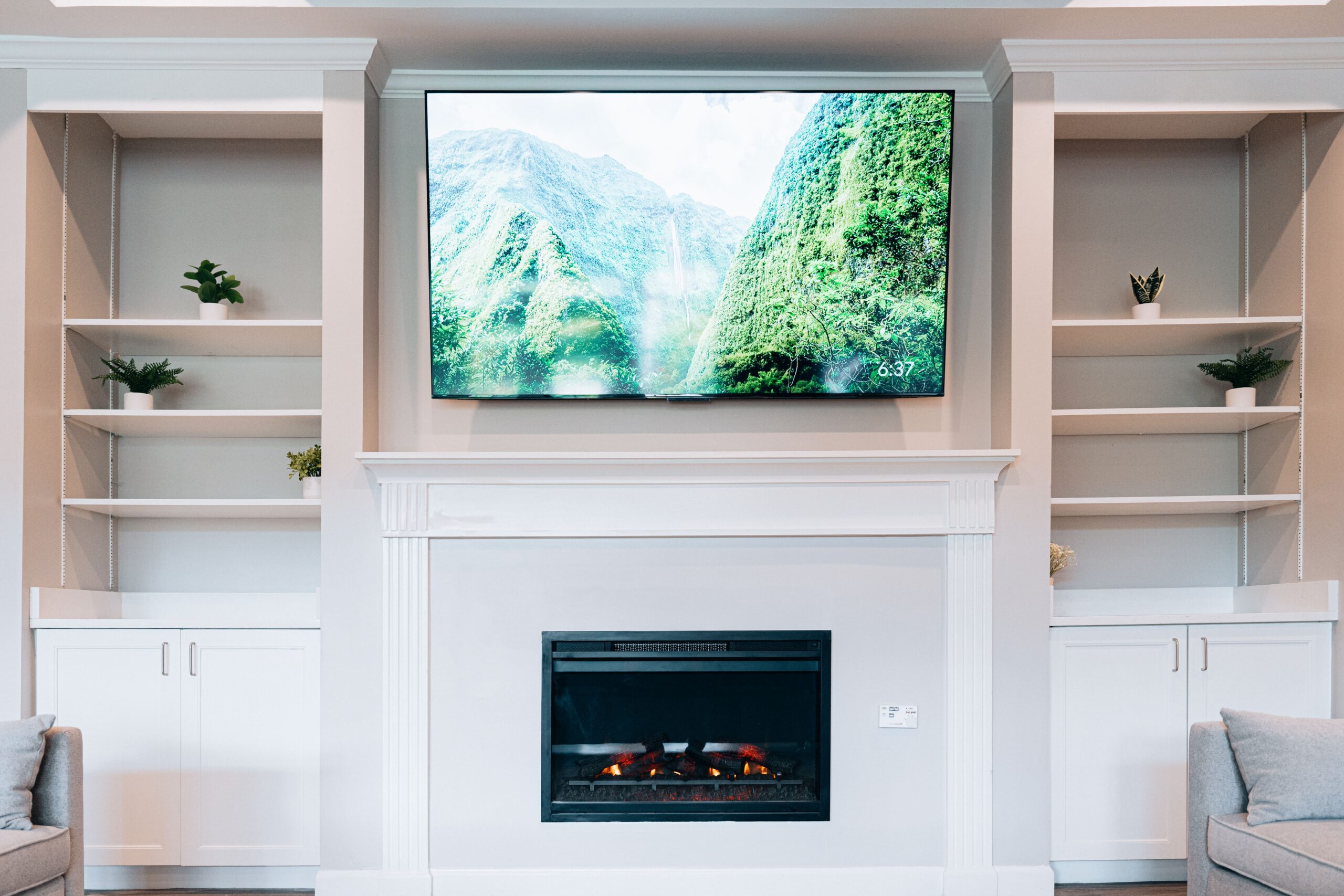
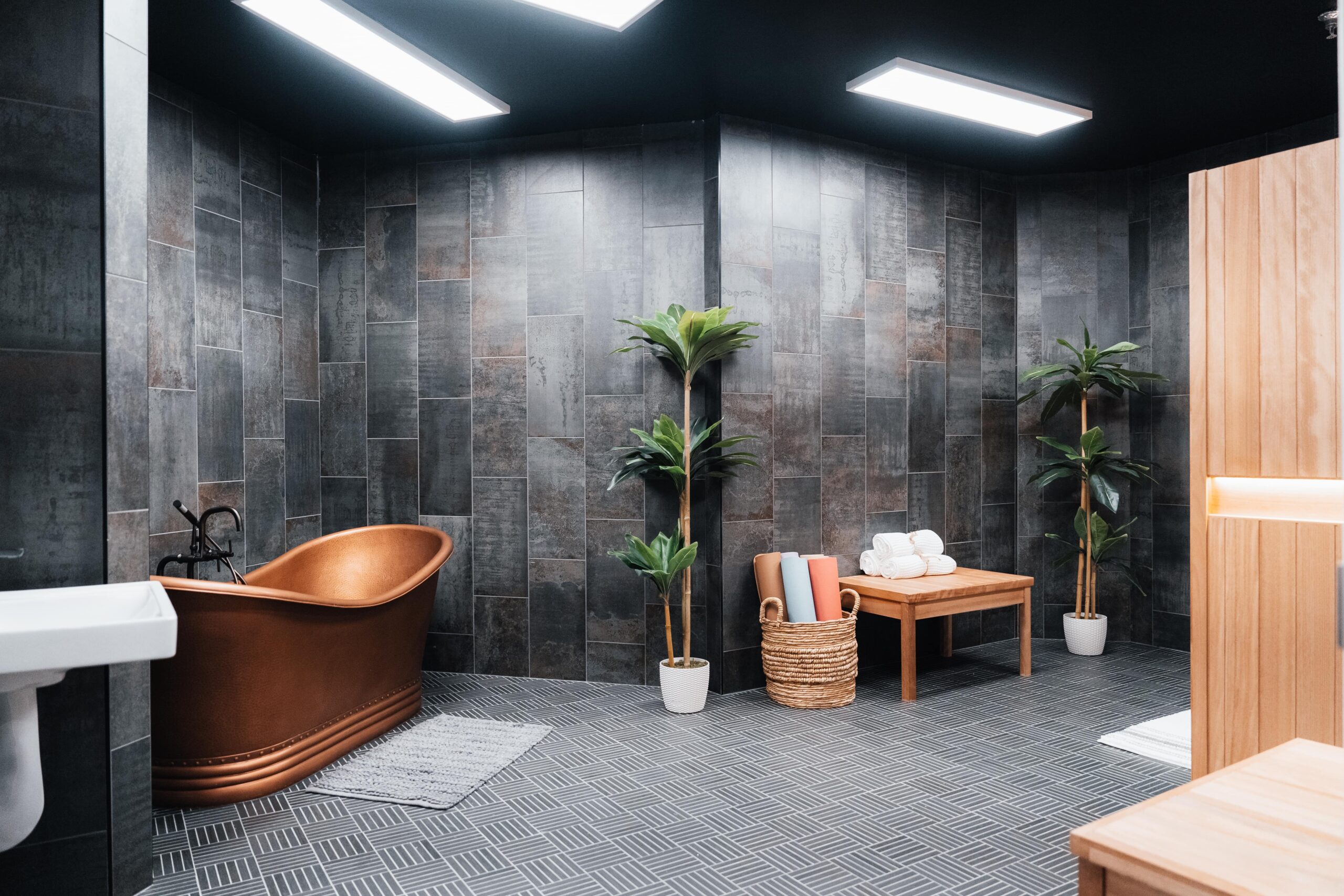
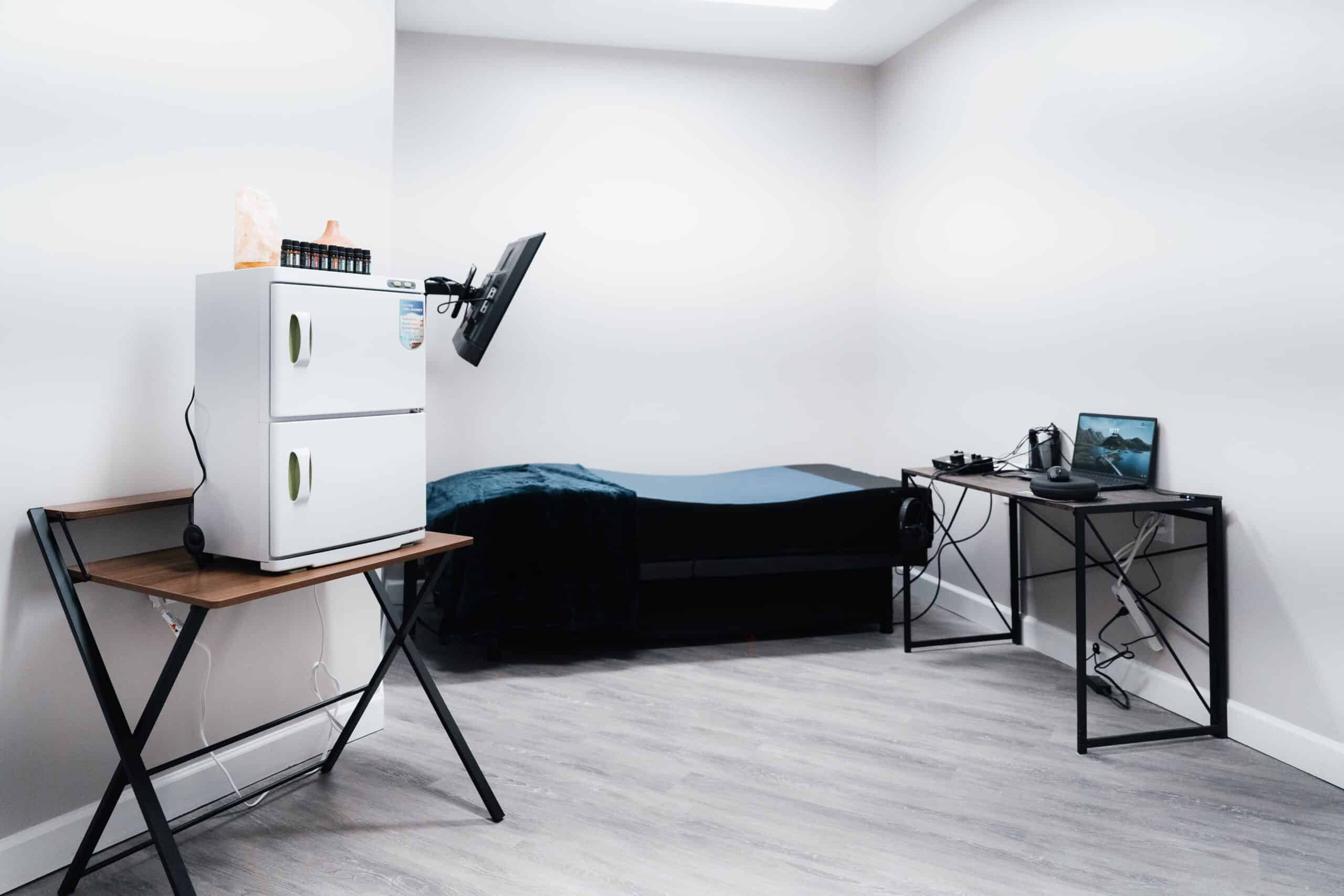
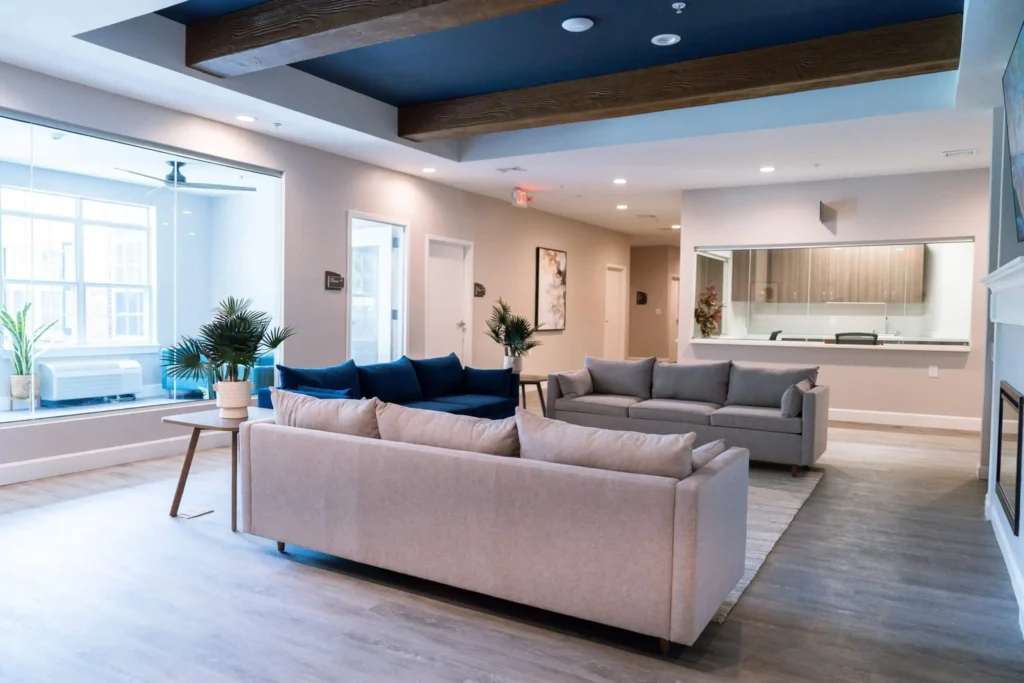
Arbor is a 38-bed residential treatment center, which means our residential care is intended for women whose symptoms are severe enough to disrupt daily life, often when ADHD sits alongside significant depression, anxiety, or trauma.
Our broader ADHD treatment program describes how we approach attention differences across levels of care, and for many women the more common starting point is outpatient support, which is entirely appropriate.
What our residential program in Nashville offers is a contained, lower-stimulation environment for the times when outpatient support has not been enough, when the scaffolding has fully come down and a person needs space to rebuild it with help. The right level of care depends on you, and naming that honestly is part of the work.
You are not alone. You deserve to get help.
Arbor Wellness is an industry leader in mental health treatment. Our team of top medical experts specialize in dual diagnosis treatment and are committed to ensuring that each patient is treated as an individual. Call us today, we’re available 24/7.
We Work With Most Major Insurance
Did you know most major health insurance plans with out-of-network benefits can help cover most of the costs associated with our program? Click below to find out your coverage and treatment options right now.






Begin With an Honest Answer at Arbor Wellness
If you have read this far and recognized your own life, or the life of someone you love, that recognition is worth acting on rather than filing away for later. You may have spent years being told you simply needed to try harder. A real evaluation asks a different question: how is your brain actually wired, and what support would let you stop running on willpower alone. From Brentwood and Franklin to Murfreesboro and greater Williamson County, we work with women who are tired of guessing.
When you are ready, you can reach out through our admissions team, and we will tell you honestly what an assessment looks like and whether our level of care is the right fit. If it is not, we can talk through other levels of care that may fit better. You can also review your coverage through our insurance information page. If you are not ready today, that is okay too. The pattern will still have a name when you come back, and so will we.
If You are in need of immediate assistance...
Don’t hesitate to contact us immediately. In the case of a medical emergency please contact 911 or visit your local emergency department.
Frequently Asked Questions About ADHD Symptoms in Women
Women more often have the inattentive presentation of ADHD, which is quieter and does not disrupt a classroom or a meeting the way hyperactivity does. Many girls learn to mask their symptoms with lists and routines, so the difficulty stays hidden until life demands more than those coping systems can handle. On top of that, ADHD in women frequently looks like anxiety or depression, and the other condition often gets treated while the attention difference underneath goes unnamed for years.
Yes. Estrogen affects dopamine, the brain chemical tied to attention and motivation, so when estrogen drops, symptoms often intensify. Many women notice their focus and emotional regulation slip in the days before their period, after childbirth, and during perimenopause. This is a real, physiological pattern, not a sign that someone is imagining the change, and it is worth raising during any evaluation.
It can be, even decades in. A diagnosis is not a verdict on your worth; it is a description of how your attention system works, and that system responds to the right support. An assessment can also distinguish ADHD from co-occurring anxiety, depression, or hormonal conditions, so any treatment that follows actually addresses the root rather than only the surface. Many women describe finally understanding their own history as the most useful part of the process.
Sources
- National Institute of Mental Health. (n.d.). Attention-deficit/hyperactivity disorder (ADHD). Retrieved from: https://www.nimh.nih.gov/health/topics/attention-deficit-hyperactivity-disorder-adhd. Accessed on June 18, 2026.
- American Psychiatric Association. (n.d.). Psychiatry.org. Retrieved from: https://www.psychiatry.org/. Accessed on June 18, 2026.
- National Alliance on Mental Illness. (n.d.). NAMI. Retrieved from: https://www.nami.org/. Accessed on June 18, 2026.
- Tennessee Department of Mental Health and Substance Abuse Services. (n.d.). Treatment & recovery. Retrieved from: https://www.tn.gov/behavioral-health/substance-abuse-services. Accessed on June 18, 2026.