






Residential Mental Health Care Near Birmingham, AL
Live-in psychiatric care for adults whose conditions have outrun a weekly appointment. Straight answers about the 190 miles, the coverage, and whether this is even the right level of care.
Birmingham is where the rest of Alabama goes for care. The UAB medical campus on the Southside pulls patients in from every corner of the state, the hospitals stacked along the north face of Red Mountain are the ones other hospitals call, and Vulcan has been standing over the whole arrangement since long before most of those buildings went up. Which is exactly what makes the search so disorienting when it lands on your family. You live in the most medically dense city in Alabama, and you still cannot find a place where an adult can go live for a few weeks and actually be treated.
Arbor Wellness is in Brentwood, a Williamson County suburb tucked under the southern rim of the Nashville metro. From Jefferson County it is one road the whole way: I-65 north, roughly 190 miles, about three hours in ordinary traffic. Alabama is one of the states Arbor serves from Tennessee, and Arbor provides residential mental health treatment near Birmingham for adults living with complex trauma, mood disorders, and severe anxiety.
Most of the people who reach out from Birmingham are not the ones who would be admitted. They are a mother in Homewood with a browser full of tabs, a husband in Hoover who has been covering for someone at work for four months, an adult daughter who finally said the thing out loud on a Sunday. Whichever seat you are in, two questions decide everything from here: whether residential care is actually the right level, and whether the drive and the coverage work out.
Why Birmingham's Medical Density Does Not Solve This
If you have already made the calls, you know the shape of the problem better than any page can tell you. Emergency departments will see someone in crisis and stabilize them. Psychiatric hospital units admit people who are in immediate danger and discharge them once they are not. Outpatient therapists across Vestavia Hills, Mountain Brook, and downtown have waitlists, and even when the appointment comes through, it is 50 minutes against a week that has 168 hours in it.
What is thin is the middle. Alabama’s public behavioral health system is built at two ends: a network of community providers and community mental health centers delivering prevention, treatment, and peer support services statewide, and three state-run psychiatric facilities for the most acute and specialized cases, as the Alabama Department of Mental Health describes its own structure. Both ends do necessary work. Neither one is what a family is picturing when they say they want their son somewhere safe and structured for a month while somebody competent sorts out what is actually wrong.
The gap is not unique to Alabama, and the national numbers are blunt about it. In 2022 an estimated 59.3 million U.S. adults were living with a mental illness, 23.1% of the adult population, according to the National Institute of Mental Health. Of that group, 30.0 million received any mental health treatment during the year, which leaves close to half of them with none at all. Living 15 minutes from a major academic medical center does not automatically put a person on the treated side of that split, and if you have been quietly blaming yourself for not having figured this out sooner, the system is a bigger part of that than you are.
Trusted and Recognized by Leading Mental Health Organizations




What "Residential" Actually Means, and When It Is the Wrong Answer
Residential treatment, often shortened to RTC, means someone moves in for the duration of care rather than commuting to appointments around a job and a school pickup line. The day gets built around the clinical work instead of squeezed in beside it. Clinicians match a person to the level of care their symptoms genuinely call for, rather than to whichever opening happens to exist that week. Residential sits above outpatient therapy and below a locked inpatient psychiatric unit.
It is worth saying plainly what it is not, because the word “inpatient” carries decades of bad television with it. Arbor is not an emergency room. It is not a commitment, and nobody is held. Adults arrive voluntarily, keep their belongings, sleep in a bedroom rather than a ward, and can leave. What they give up is the ability to skip the hard part, which is more or less the point. The structure is the medicine.
There is also a version of this where residential is the wrong first step, and you deserve to hear that from a treatment provider rather than after a wasted week. If someone is in immediate danger right now, that is an emergency and it belongs with 911 or the 988 Suicide & Crisis Lifeline, reachable by call or text at 988. Stabilization comes first; a residential admission is what can follow it. When suicidal thinking is present but not immediately dangerous, clinical care for suicidal ideation is a defined level of treatment with its own protocols, not a thing that only exists inside a hospital.
What Treatment Looks Like at Arbor Wellness
Arbor was built for the cases that have already been through the standard sequence. Adults typically arrive after outpatient therapy plateaued, after two or three medication trials did not hold, or after a stretch where functioning quietly collapsed while everyone around them assumed it was stress. The clinical focus is high-acuity mental health, which in plain terms means the conditions that are severe enough to take over a life.
Days are organized around evidence-based therapy delivered in a residential rhythm: cognitive behavioral therapy for the thought patterns that have calcified into rules a person stopped questioning years ago, dialectical behavior therapy for emotion that arrives faster than anyone can reason with it, and somatic therapy for the tension that trauma parks in a jaw, a chest, and a set of shoulders. Individual therapy with a master’s-level clinician runs weekly, alongside psychiatric care and genetic testing that helps narrow which medications a person’s body is likely to tolerate.
Conditions Adults Arrive With
- Complex trauma: Repeated or prolonged trauma leaves a different mark than a single event does, and complex PTSD treatment works on a longer timeline than a standard course. Intrusive memories, avoidance of anything that resembles the original event, and a body that never fully stands down are hallmark features of post-traumatic stress disorder as the National Institute of Mental Health describes it, and they sit behind a large share of the referrals that come north.
- Treatment-resistant depression: When two or three medication trials have come and gone without much changing, that is a recognized clinical category, not a verdict on the person, and residential depression treatment approaches it with a different set of tools. The National Institute of Mental Health defines major depression as a depressed mood or loss of interest lasting at least two weeks that interferes with daily activities.
- Severe anxiety and panic: When avoidance has narrowed a life down to a few safe rooms, anxiety treatment in a residential setting can rebuild tolerance in a way that weekly exposure homework rarely manages alone.
- Bipolar disorder: Bipolar disorder treatment often needs a stretch of stable days, consistent sleep, and close medication observation before anyone can tell what is working.
- Co-occurring substance use: When a mental health condition and a substance problem are both in the picture, clinicians call that a co-occurring disorder, and Arbor’s dual diagnosis program assesses and addresses both rather than taking one after the other.
Two pieces of the toolkit are uncommon in residential settings. Alpha-Stim is a handheld unit that runs a low-level current through clips worn on the earlobes, used to take the edge off anxiety without adding another prescription. Biosound therapy combines music, guided imagery, and low-frequency vibration felt through the body, which can help someone whose body has been stuck on high alert for years relearn what calm physically feels like.
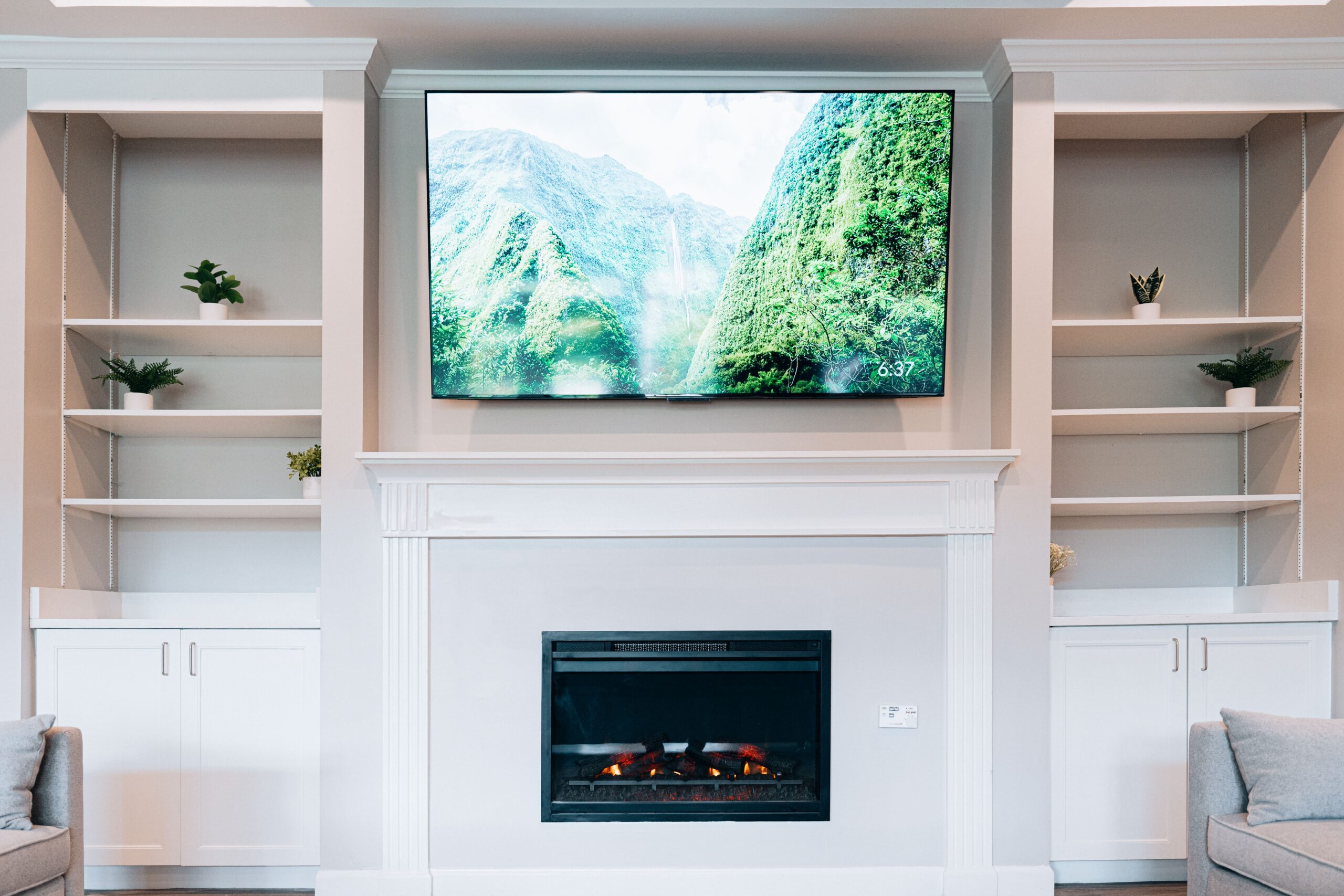
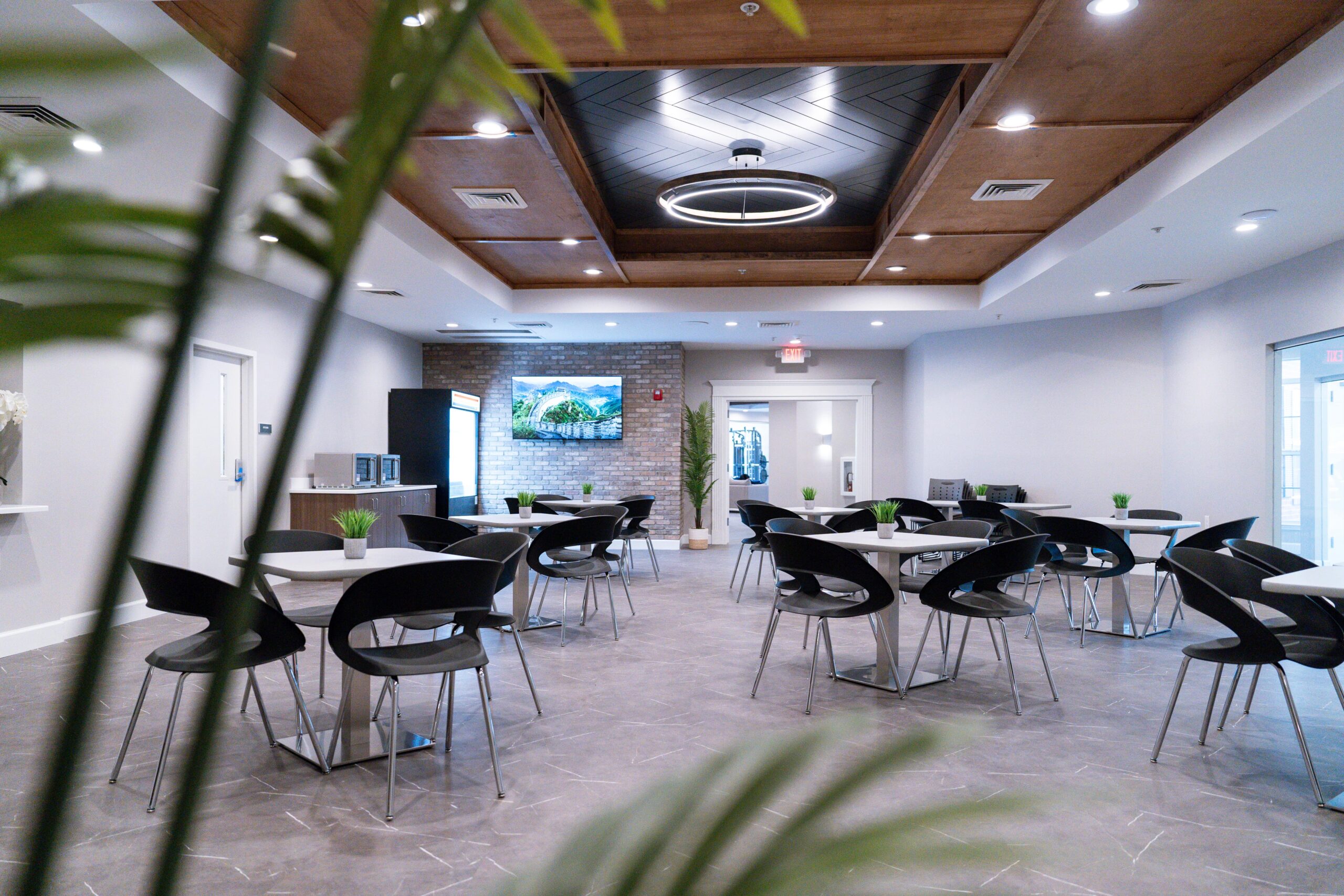
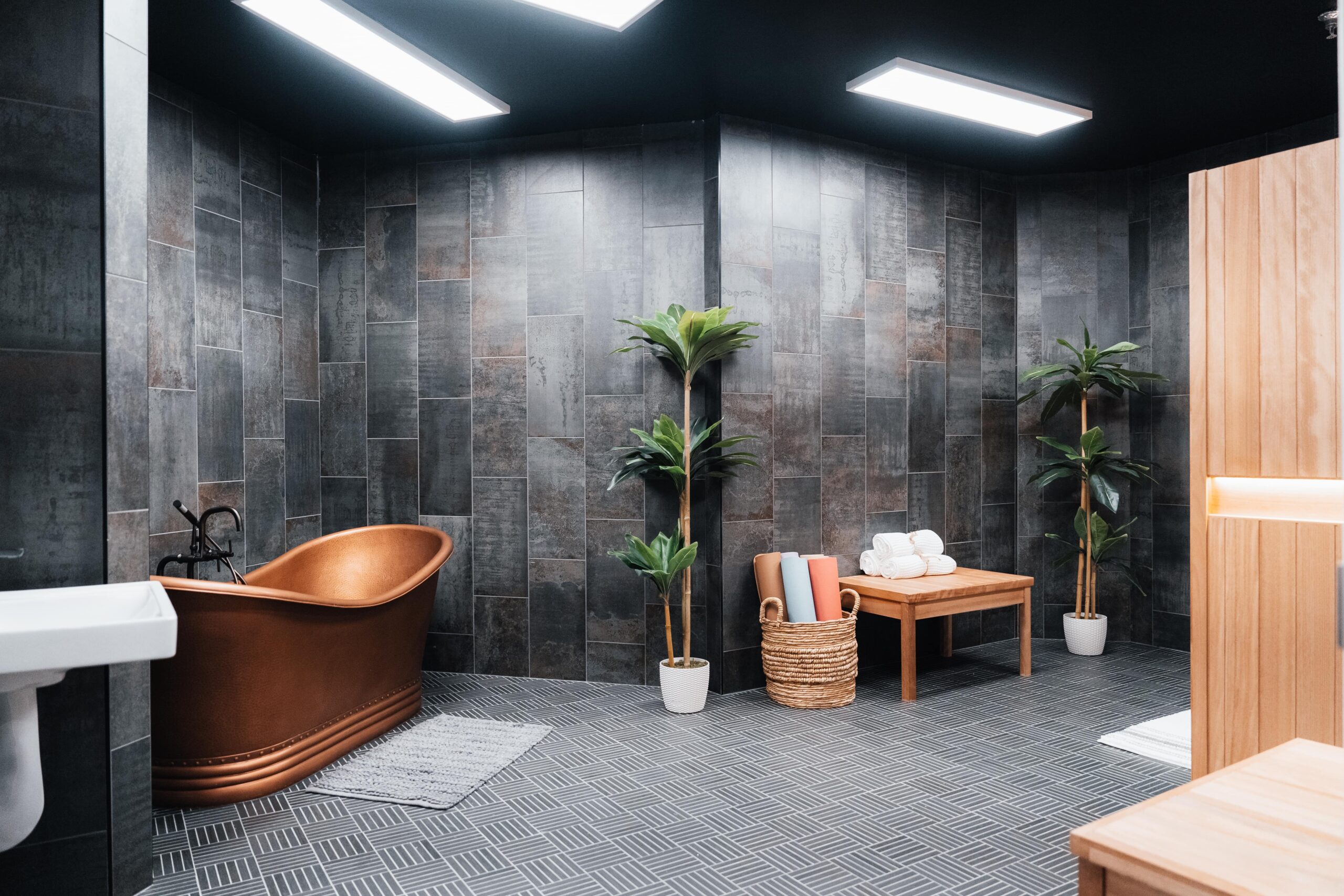
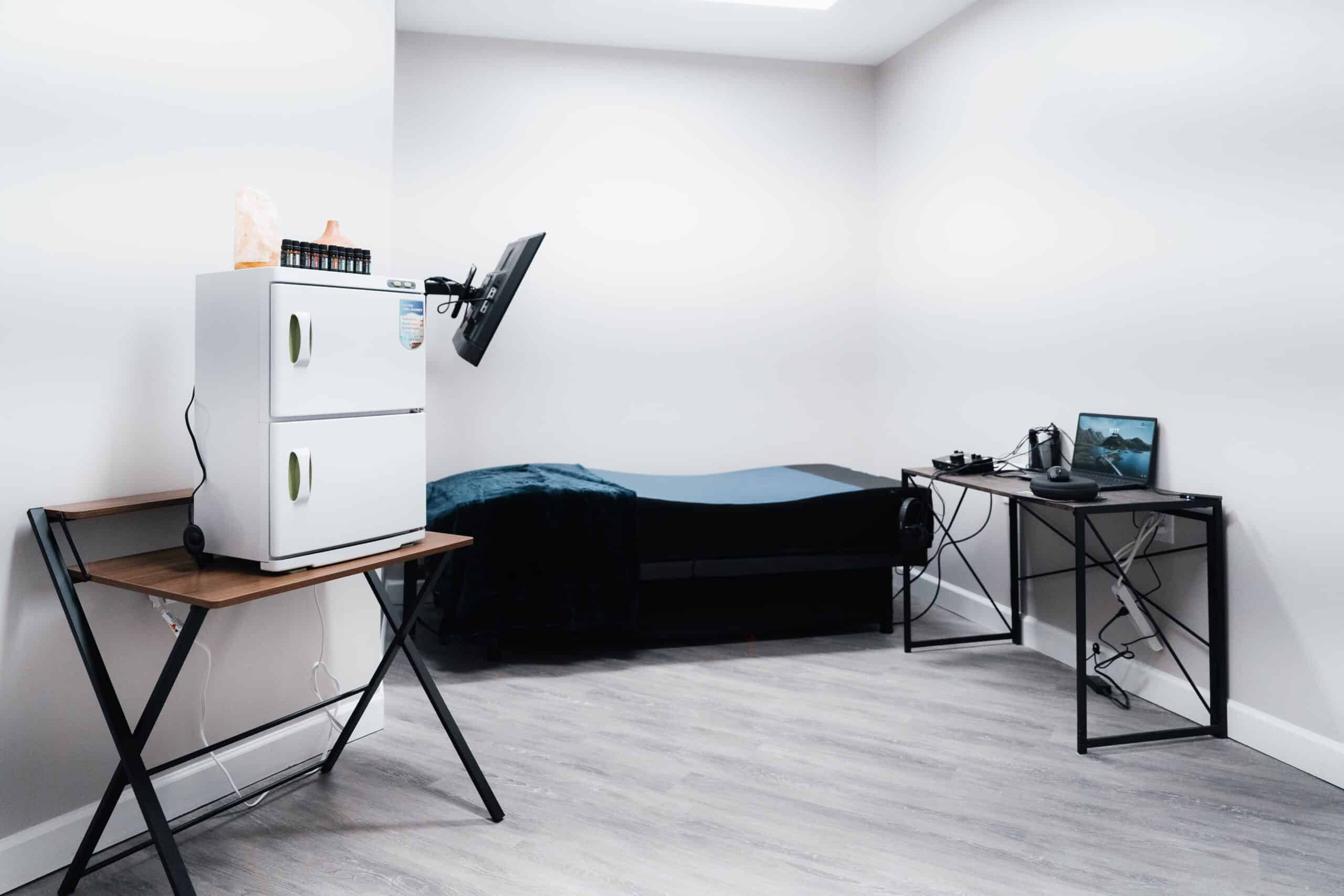
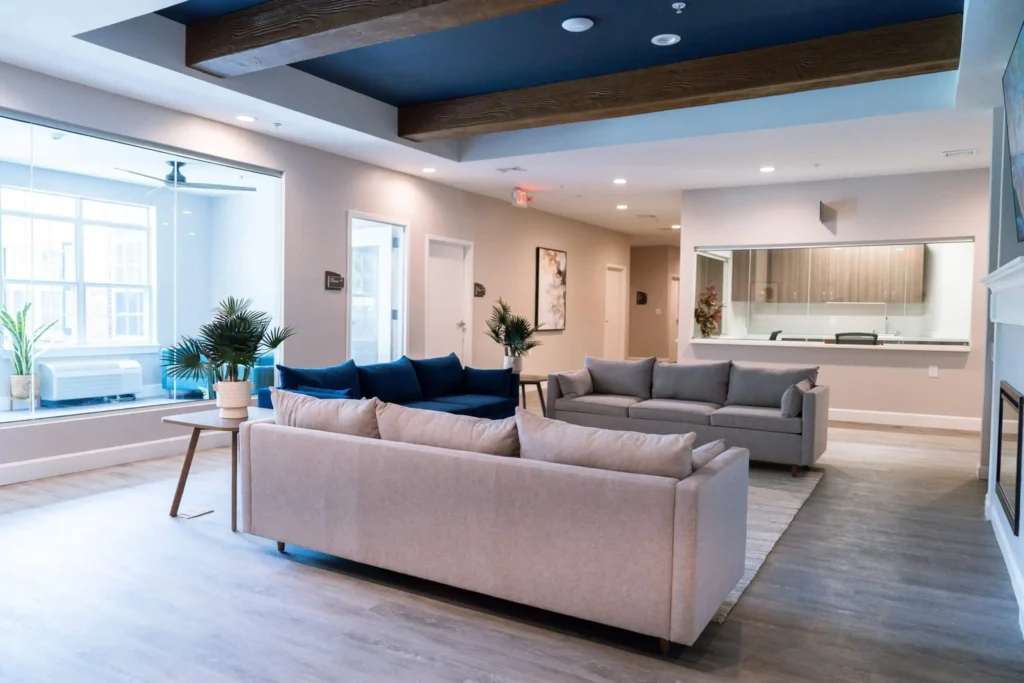
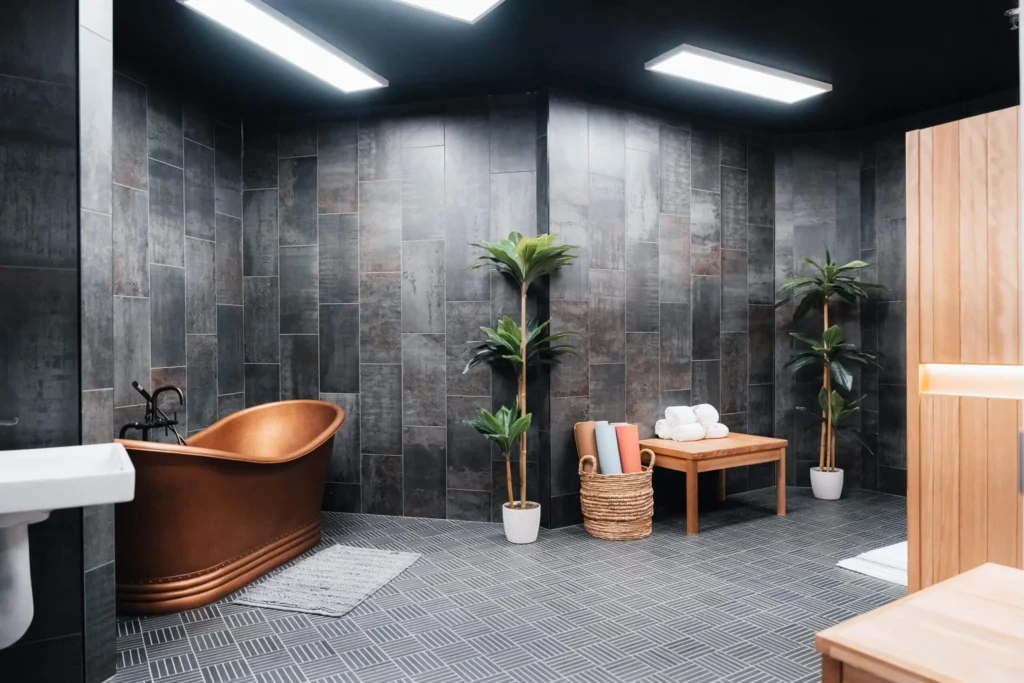
The comfortable setting is a clinical decision rather than a flourish. A private chef, a spa with a sauna and cold plunge, a sensory room, trauma-informed yoga, and a quiet theater exist because dignity and physical calm make hard therapeutic work possible, and because an adult who feels treated like a person participates differently than one who feels processed. Families driving up from Alabama are welcome to walk the property before deciding anything.
The Drive From Birmingham to Brentwood
The route is almost insultingly simple for how large the decision feels. Get onto I-65 north, whether that means coming through Malfunction Junction where I-20/59 tangles with I-65 downtown, or picking it up off I-459 from the Hoover side. Then stay on it. Cullman, then the Decatur exits, then west of Huntsville, then the Tennessee line. I-65 carries you past Pulaski, Columbia, and Spring Hill, through Cool Springs in Franklin, and into Brentwood before Nashville traffic ever becomes your problem. Arbor is a few minutes off the interstate at 200 Winners Circle South, in Williamson County.
Roughly 190 miles. About three hours. For relatives coming by air, Nashville International (BNA) sits about 25 minutes from the property, and the hop back down to Birmingham-Shuttlesworth (BHM) is short enough to have someone at their desk Monday morning.
Clinicians do not treat that distance as pure cost, and this is the part worth sitting with. A residential program works partly because it interrupts the daily architecture of an illness: the same bedroom, the same crawl up US-280 at 5:15, the same two people whose text messages set everything off, the same 9 p.m. spiral that has been running for a year. Three hours is enough separation for a nervous system to stop bracing. It is also close enough that a spouse or a parent can come up on a Saturday for family therapy and sleep at home that night, which matters more than it sounds like it should. Households reorganize themselves around a serious illness, and that reorganization usually needs its own repair work.
Blue Cross Blue Shield of Alabama, and What Coverage Actually Looks Like
Coverage is usually the fact that settles this, so here it is, without a contact form standing in the way. Arbor Wellness holds an in-network contract with Blue Cross Blue Shield of Alabama, and that contract covers residential treatment. Blue Cross is the card in a great many Jefferson County wallets, and for those households the network status is usually what moves this from something they are reading about to something they are actually doing.
Arbor is also in-network with Aetna, including its Meritain, Banner Health, Coventry Health Care, First Health Group, Innovation Health, and Sutter Health networks, and with Cigna, including Cigna Allegiance. Tricare is in-network for patients 21 and under only. Blue Cross plans issued by other states, Anthem plans, and UnitedHealthcare or Optum plans are not in Arbor’s network, and if that is the coverage you carry, our admissions team will tell you so at the start rather than after an assessment. There is a plain-English breakdown of how Blue Cross Blue Shield coverage works for residential mental health care, and the team can pull your specific policy and tell you what it pays, what it does not, and what your realistic out-of-pocket exposure looks like.
Start From Birmingham Without Committing to Anything
You may have been rehearsing this for weeks, clearing the search history, telling yourself you would give it one more month. Reaching out does not obligate anyone to admit anywhere. It is a conversation where a clinician hears the real shape of the past year and says plainly whether the residential level fits, whether an intensive outpatient program closer to Hoover or Homewood would serve better, or whether the picture points somewhere else entirely. Parents and partners doing this research on someone else’s behalf call all the time and ask their own questions first, which is a reasonable way to begin.
Arbor’s admissions team can check your benefits, field the things you have not been able to say out loud, and describe an arrival day down to what to pack and who meets the car. If someone is in danger tonight, call or text 988 before anything else. And whenever you get there, the answer will still be the same answer: come find out whether this fits.
Insurance Can Help Cover the Cost of Treatment
We work with most major health insurance plans—including those with out-of-network benefits—to help make detox and recovery more affordable.
Click below to verify your coverage and explore your options today.






Meet the Experts Behind Your Care
At Arbor Wellness, every team member is dedicated to your recovery, from our clinicians to our support staff. Our experts combine proven treatments with compassionate care to support healing in mind, body, and spirit.
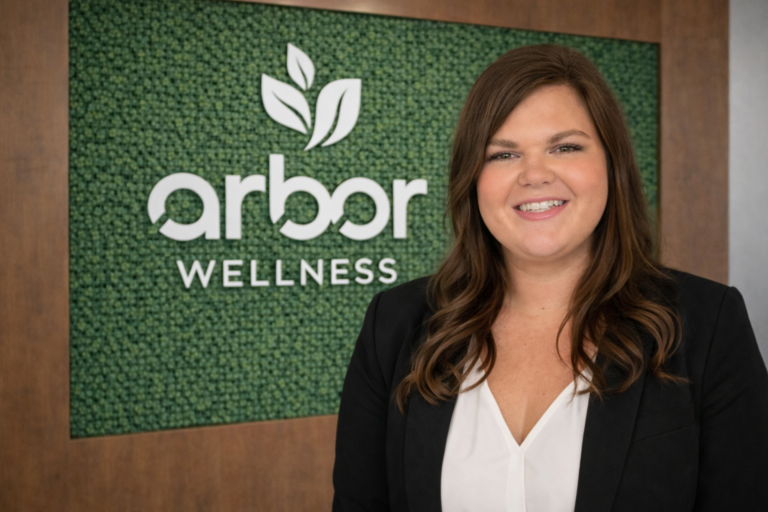
Amanda Johnson
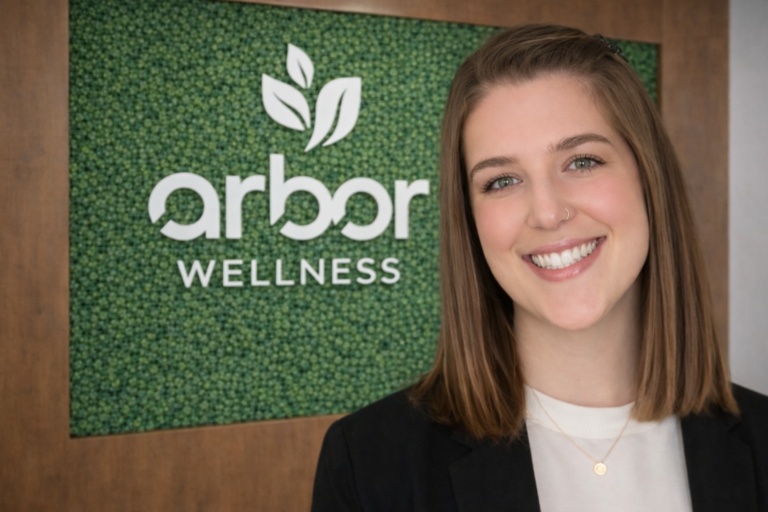
Makayla George, LCSW
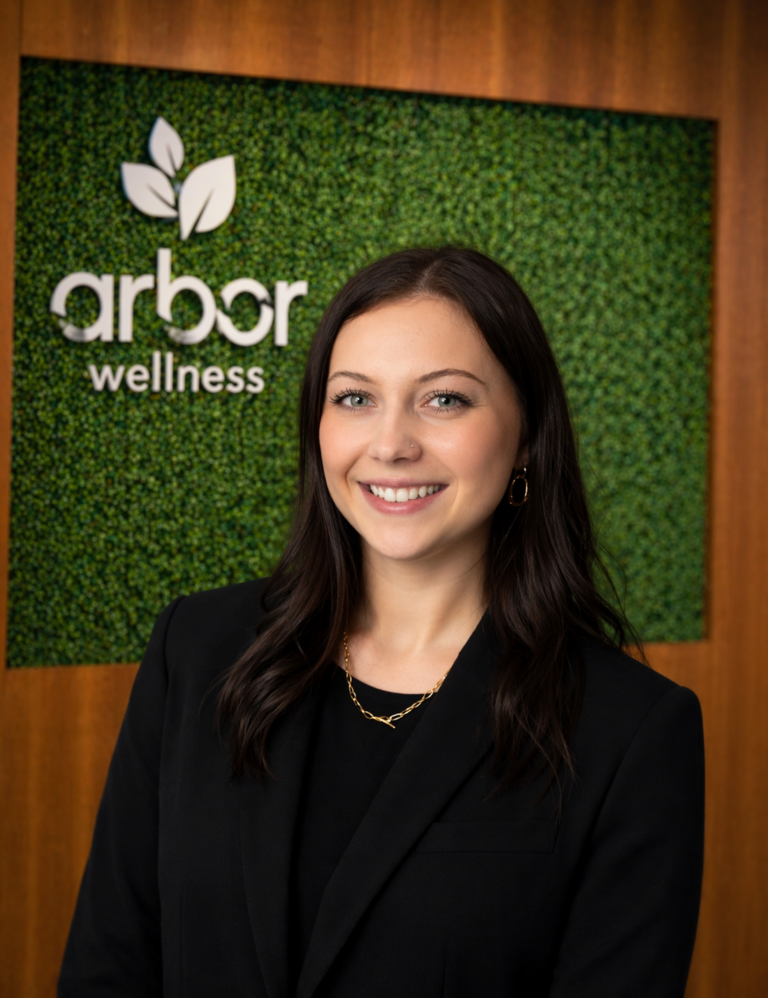
Ainsley Cousin
Real Quotes From clients who found healing
FAQs About Residential Mental Health Treatment Near Birmingham, AL
Roughly 190 miles, about three hours in normal traffic. It is a single interstate the whole way: I-65 north out of Birmingham, past Cullman, Decatur, and Huntsville, across the Tennessee line, and through Franklin and Cool Springs into Brentwood. Because Brentwood sits south of Nashville, Alabama families arrive before reaching downtown congestion. Arbor is at 200 Winners Circle South in Williamson County, a few minutes off the interstate. For relatives flying in, Nashville International Airport (BNA) is about 25 minutes away.
Arbor Wellness holds an in-network contract with Blue Cross Blue Shield of Alabama that covers residential treatment, so crossing the state line does not by itself push you out of network. Arbor is also in-network with Aetna, including Meritain, Banner Health, Coventry Health Care, First Health Group, Innovation Health, and Sutter Health, and with Cigna, including Cigna Allegiance. Tricare is in-network for patients 21 and under only. Every plan has its own deductible, authorization requirements, and length-of-stay review, so the admissions team verifies your specific policy and tells you what it covers before anyone is admitted.
No. A psychiatric hospital unit is designed for acute crisis, is often locked, and is measured in days. Residential treatment is voluntary and unlocked, and it is measured in weeks. Adults keep their belongings, sleep in a bedroom, take part in a structured schedule of therapy and psychiatric care, and can leave. Residential care usually follows stabilization rather than replacing it, which is why an honest assessment matters before anyone drives anywhere. If a person is in immediate danger, that is an emergency, and 911 or the 988 Suicide and Crisis Lifeline comes first.
Yes, and it is treated as part of the clinical work rather than a courtesy. Family therapy is one of the modalities offered at Arbor, because a household usually needs its own repair after months or years of organizing itself around an illness. Scheduled phone contact is available three times a week, with FaceTime as an option. Specific arrangements for visits and sessions are coordinated with the clinical team based on where a person is in treatment.
Sources
- Alabama Department of Mental Health. (n.d.). Division of Mental Health & Substance Use Services. Retrieved from: https://mh.alabama.gov/division-of-mental-health-substance-abuse-services/. Accessed on August 17, 2026.
- National Institute of Mental Health. (n.d.). Mental illness statistics. Retrieved from: https://www.nimh.nih.gov/health/statistics/mental-illness. Accessed on August 17, 2026.
- National Institute of Mental Health. (n.d.). Depression. Retrieved from: https://www.nimh.nih.gov/health/publications/depression. Accessed on August 17, 2026.
- National Institute of Mental Health. (n.d.). Post-traumatic stress disorder (PTSD). Retrieved from: https://www.nimh.nih.gov/health/publications/post-traumatic-stress-disorder-ptsd. Accessed on August 17, 2026.
- Substance Abuse and Mental Health Services Administration. (n.d.). Co-occurring disorders. Retrieved from: https://www.samhsa.gov/substance-use/treatment/co-occurring-disorders. Accessed on August 17, 2026.
- 988 Suicide & Crisis Lifeline. (n.d.). 988 Suicide & Crisis Lifeline. Retrieved from: https://988lifeline.org/. Accessed on August 17, 2026.
Overview
- Where it is: Arbor Wellness is a residential mental health program at 200 Winners Circle South in Brentwood, Tennessee, roughly 190 miles and about three hours north of Birmingham on I-65. Arbor is not located in Alabama. It treats Alabama adults who travel to Tennessee for care.
- Who it fits: Adults whose complex trauma, treatment-resistant depression, severe anxiety, or bipolar disorder has stopped responding to the usual outpatient sequence of a therapist, a psychiatrist, and a prescription.
- What it is not: Not an emergency department, not a locked hospital unit, and not an involuntary commitment. Residential care is voluntary, unlocked, and planned.
- Insurance: Blue Cross Blue Shield of Alabama is in-network at Arbor and the contract covers residential treatment. Aetna and Cigna are in-network as well. Tricare applies to patients 21 and under only.
- The honest part: Jefferson County has more medical capacity than anywhere else in the state, and adult residential mental health care is still one of the hardest things to find quickly from here.