






Residential Mental Health Treatment Near Tuscaloosa
For adults in Tuscaloosa County whose condition has outgrown weekly therapy, live-in psychiatric treatment is a long morning’s drive north, and the coverage picture has a few specifics worth knowing first.
Medically Reviewed by Arbor Wellness Clinical Staff on October 15, 2026.
On a fall game Saturday, crowds head toward Bryant-Denny Stadium, tailgates fill the Quad by mid-morning, and traffic backs up along University Boulevard. Somewhere inside that noise is a graduate student who has not been to class in three weeks, a plant engineer out at Vance who has stopped sleeping, or a retired teacher in Northport whose depression came back after the second medication stopped working. Each of them is surrounded by people and has told almost none of them.
Arbor Wellness provides residential mental health treatment for adults in Brentwood, Tennessee, a Williamson County suburb at the south edge of Nashville, and Alabama is one of the states Arbor serves from Tennessee. Tuscaloosa sits near the far end of that reach. The distance is real. A parent in Cottondale or a spouse on the west side of town is usually trying to work out two things: what level of care this calls for, and where to find it.
What Tuscaloosa Has, and the Level It Is Missing
West Alabama has more mental health infrastructure than many people realize, and it is worth knowing before anyone looks north. The Alabama Department of Mental Health lists Indian Rivers’ Hope Pointe Behavioral Health Crisis Care at 1401 Greensboro Avenue as the designated crisis center for Tuscaloosa and ten surrounding counties, from Pickens and Greene to Bibb and Wilcox. It is one of six such centers in the state, each a walk-in door offering crisis stabilization, clinical evaluation, psychiatric care, and referrals, and law enforcement and EMS can bring someone there instead of to a jail or an emergency department. If tonight is the emergency, that address and the 988 Suicide and Crisis Lifeline come before anything on this page.
Tuscaloosa is also home to Bryce Hospital, the state psychiatric hospital whose name most Alabamians know. Bryce, like any psychiatric hospital, sits at the most intensive end of the system. A crisis center sits at the front door. Both do necessary work.
What falls between them is the level families most often go looking for: a structured place where an adult lives for several weeks, with daily therapy and psychiatric care, after the immediate danger has passed but before home is safe enough to work. That middle level is thin across most of Alabama, and Tuscaloosa is no exception. Knowing how residential treatment differs from a psychiatric hospital stay is usually the first thing that makes the search make sense.
Trusted and Recognized by Leading Mental Health Organizations




The College-Town Version of the Problem
A university shapes a town’s mental health picture in ways that are easy to miss. The University of Alabama brings tens of thousands of students to Tuscaloosa, and young adults carry the highest rate of mental illness of any age group in the country. According to the National Institute of Mental Health, 36.2 percent of adults aged 18 to 25 had a mental illness in 2022, and fewer than half of them, 49.1 percent, received any treatment that year.
Campus counseling is built for short-term support, and a student whose depression or panic has moved past that point often falls into a gap. They may not want to tell their parents. The parents, meanwhile, are often in another state, watching grades slip through a portal and hearing “I’m fine” on the phone. By the time the family learns how serious it has become, the semester is often lost, and getting well has to come before school.
The same gap opens for adults who never set foot on campus: faculty, hospital staff at DCH, the manufacturing workforce along I-20/59 toward Vance. In a lab, a classroom, or on a line shift, there is often no one placed to notice when outpatient care has stopped working, so it can take longer for anyone to see how serious things are.
What Residential Care at Arbor Involves
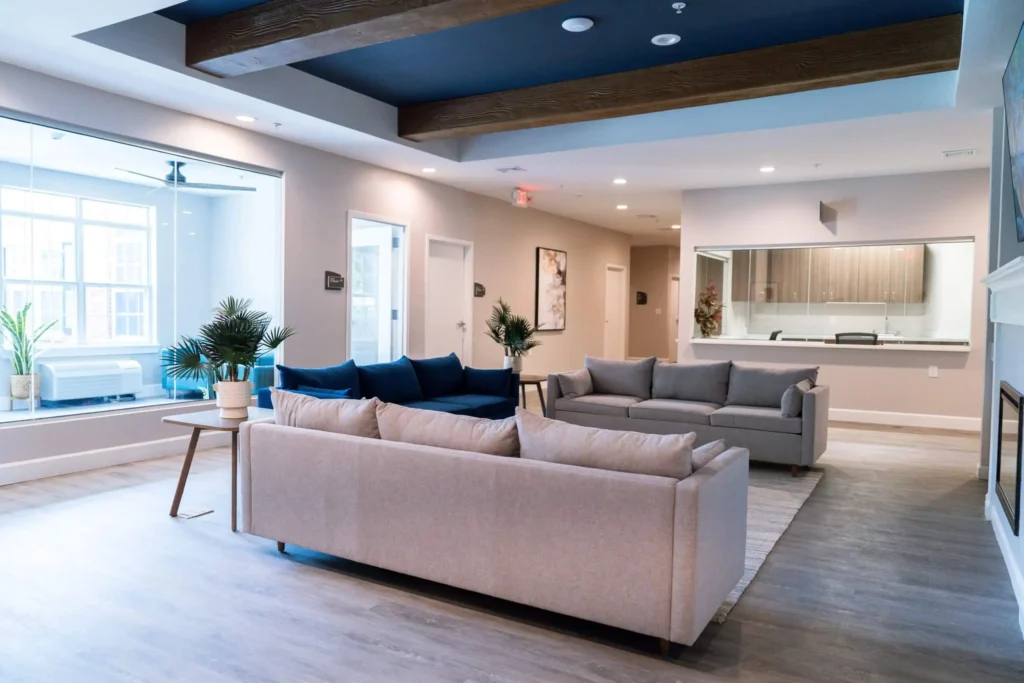
Residential treatment means living at the facility for a stretch of weeks, with the day organized around clinical work instead of fitted around a job or a course schedule. Adults arrive because they chose to, keep their belongings, sleep in a bedroom rather than a ward, and can leave. Arbor treats high-acuity adult mental health, and most people who come here have already tried the outpatient route more than once.
The Conditions Adults Arrive With
- Treatment-resistant depression: Depression that has not lifted after two or more adequate medication trials. Treatment-resistant depression is a recognized clinical category with its own approach.
- Complex trauma: Trauma that happened repeatedly over months or years rather than once. Complex PTSD treatment works on a longer arc than standard trauma care.
- Severe anxiety and panic: When avoidance has shrunk a life down to a few safe rooms, anxiety treatment in a residential setting rebuilds tolerance day by day.
- Bipolar disorder: Bipolar disorder treatment often needs steady sleep, structure, and close medication observation before anyone can judge what is working.
- Co-occurring substance use: When drinking or drug use has become a way of managing symptoms, dual diagnosis treatment addresses both conditions at once.
The therapy itself is evidence-based and delivered at a density outpatient care cannot match. Cognitive behavioral therapy examines the thought patterns that keep a depression in place. Dialectical behavior therapy teaches skills for the moment an emotion arrives faster than reasoning. Somatic and trauma-informed work addresses how stress settles into the body. A master’s-level therapist meets with each person weekly, alongside psychiatric care and genetic testing that helps prescribers see how a person’s body is likely to process certain medications.
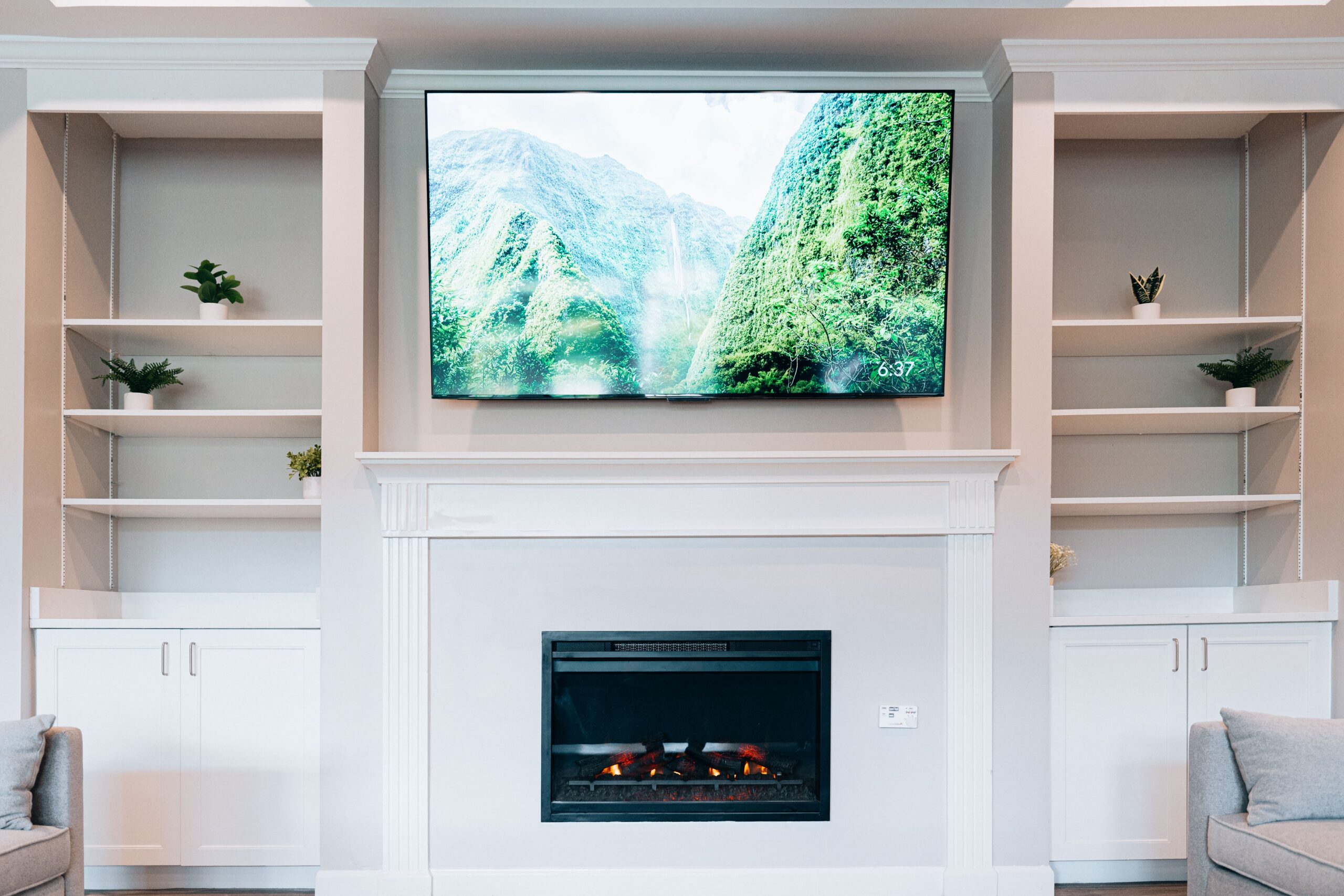
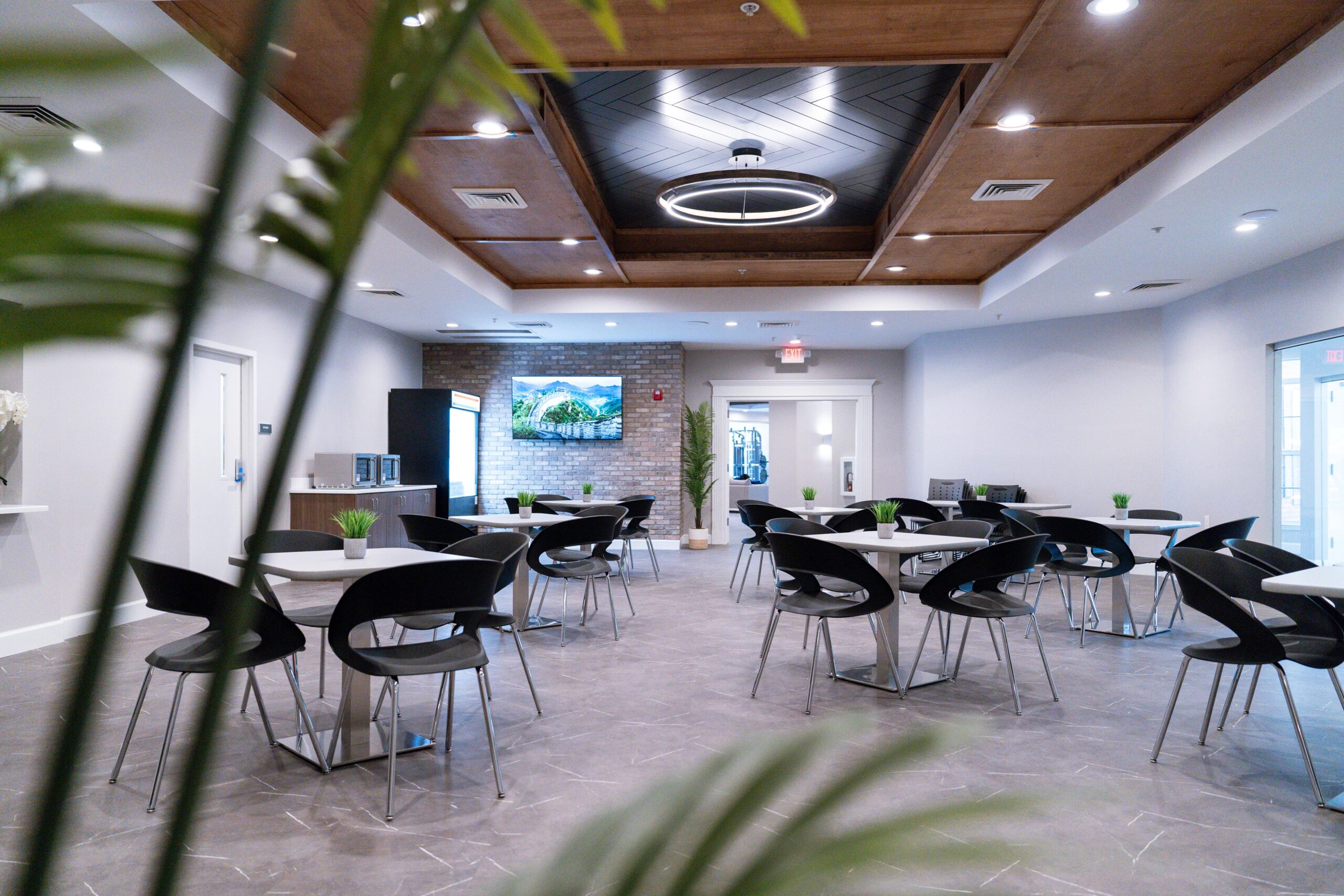
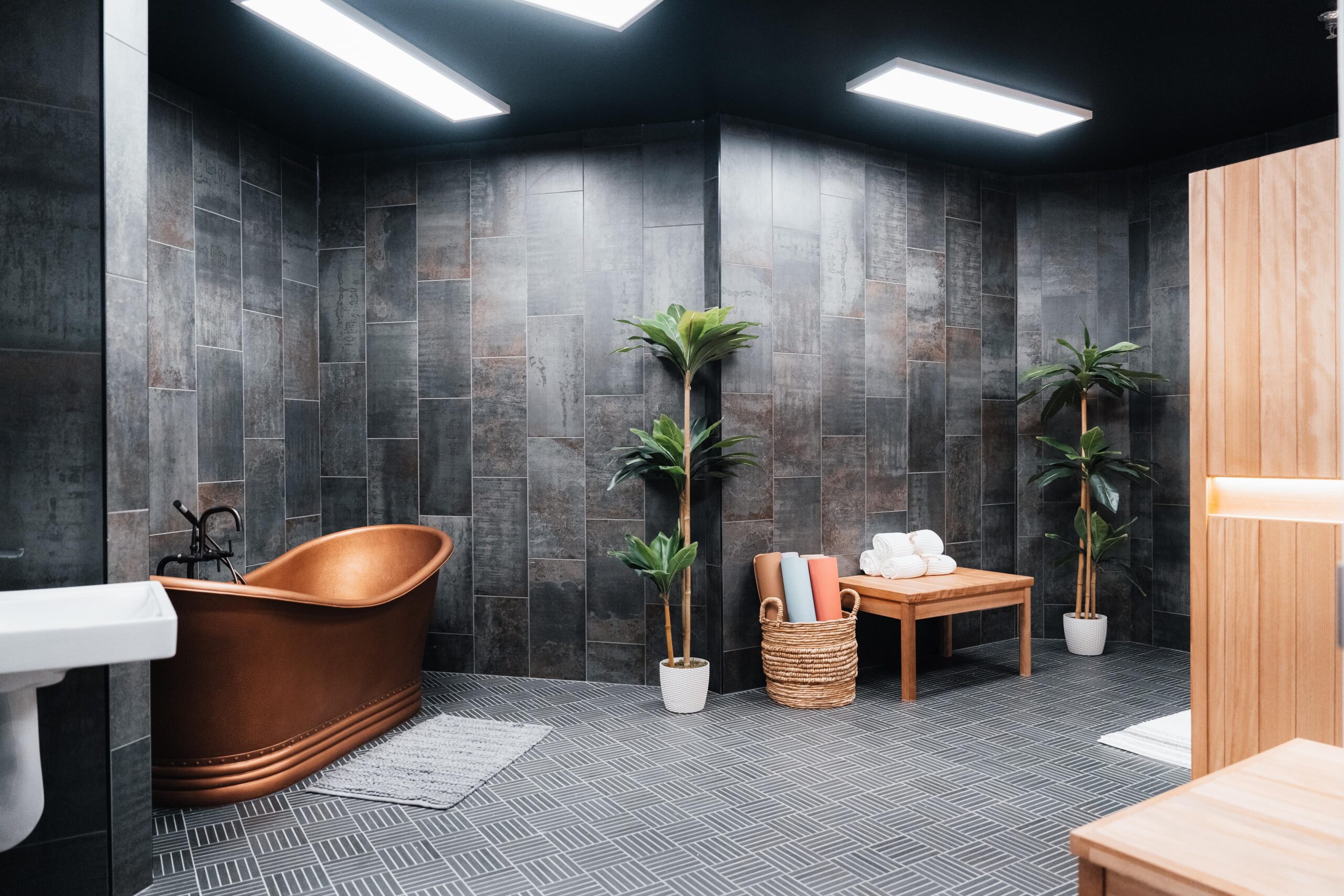
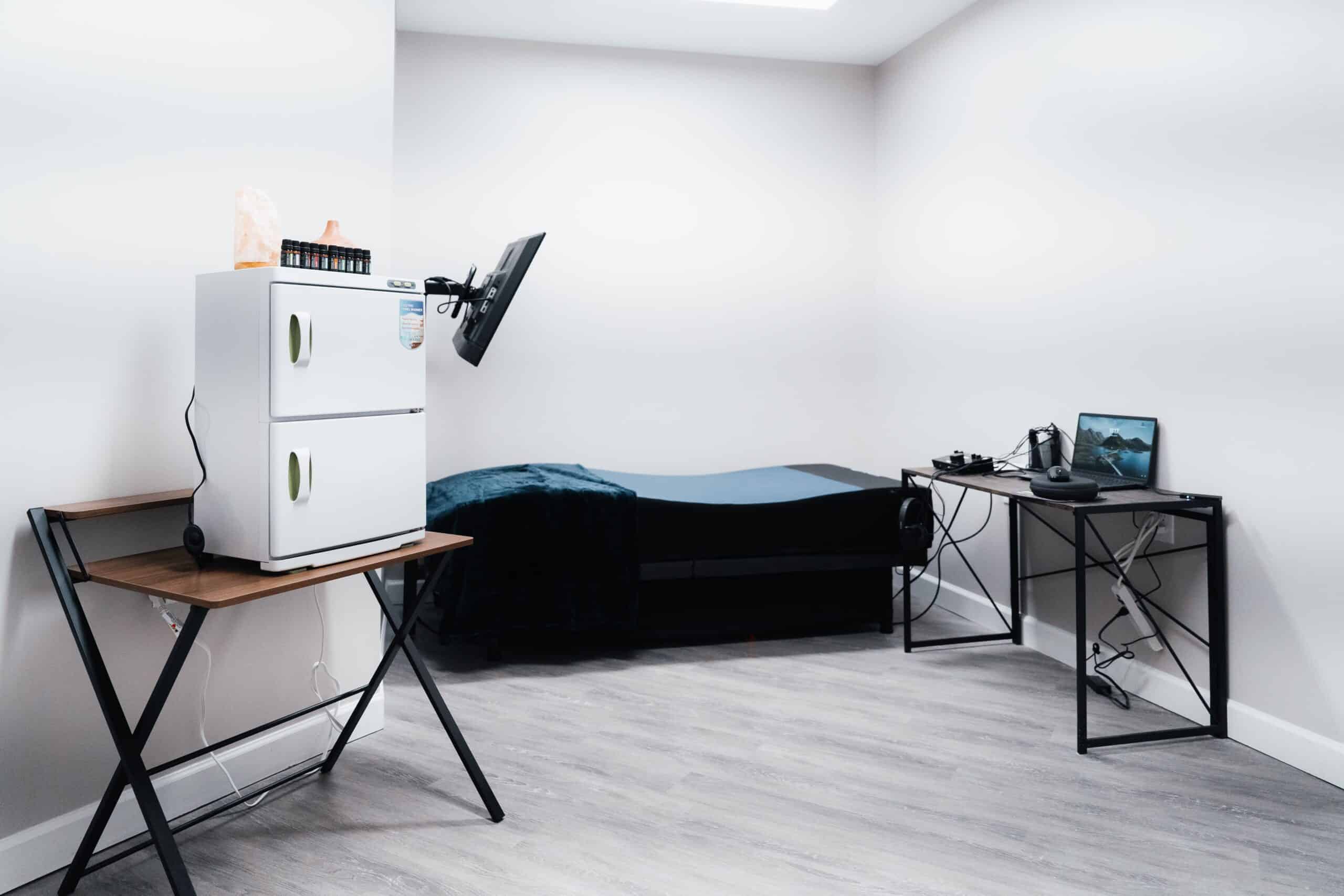
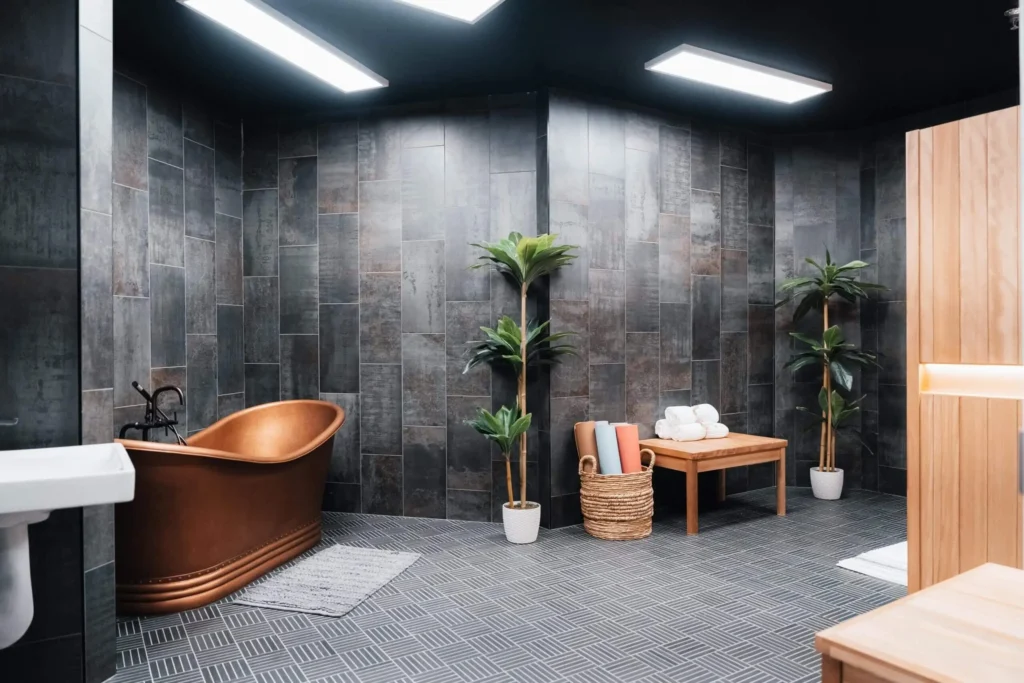
Two tools are less common in residential programs. Alpha-Stim is a handheld device that sends a mild current through clips on the earlobes to ease anxiety without another prescription. Biosound therapy pairs music and guided imagery with low vibration felt through the body. The setting matters as well: a private chef, a spa with a sauna and cold plunge, a sensory room, and trauma-informed yoga are there because an adult who is fed, rested, and treated with dignity takes on hard therapy more fully.
The Drive North, Through Birmingham
The route is two interstates. I-20/59 runs northeast out of Tuscaloosa to Birmingham, about an hour, and from there I-65 carries the rest of the trip north past Cullman, Decatur, and Athens, across the Tennessee line at Ardmore, and up through Pulaski, Columbia, and Spring Hill into Brentwood. Arbor is a few minutes off the interstate near Cool Springs. All told it is about 240 miles, three and a half to four hours depending on Birmingham traffic.
That makes Tuscaloosa farther than Birmingham, which sits around three hours from the door, and well beyond Huntsville at about two. Mileage is a fair thing to weigh. For someone who is the sole caregiver for an aging parent in Northport, or who is medically fragile, a program closer to home may be the better fit, and an honest assessment will say so.
For many families, though, distance turns out to help. Illness tends to settle into a routine: the same apartment off McFarland Boulevard, the same commute, the same group chat that keeps the worst nights going. Several hours of interstate puts real distance between someone and that routine. Once someone is admitted, scheduled phone time runs three times a week with FaceTime available, and family therapy is built into the program so relatives in West Alabama, or in another state entirely, stay part of the work. Relatives who fly can use Birmingham-Shuttlesworth International on the Alabama end and Nashville International on the other, about 25 minutes from the property.
Coverage, Including the Out-of-State Plan Question
For most Tuscaloosa households the deciding fact is simple. Arbor Wellness holds an in-network contract with Blue Cross Blue Shield of Alabama, and that contract includes residential treatment. Crossing the Tennessee line does not, by itself, take an Alabama Blue Cross member out of network. There is a plain explanation of how Blue Cross Blue Shield coverage applies to residential care.
Arbor is also in-network with Aetna, including its Meritain, Banner Health, Coventry Health Care, First Health Group, Innovation Health, and Sutter Health networks, and with Cigna, including Cigna Allegiance. TRICARE is in-network for patients 21 and under only, which can matter for a younger student covered as a military dependent.
The detail that catches university families is the issuing state. Network status follows the plan, not the patient’s address. A student from Illinois, Texas, or Georgia carrying a parent’s Blue Cross plan from that state is not covered by Arbor’s Blue Cross Blue Shield of Alabama contract, and Anthem, UnitedHealthcare, and Optum plans are not in Arbor’s network either. If that is your card, the admissions team will say so at the start and explain what out-of-network or self-pay options would involve, before anyone packs a car.
From Tuscaloosa, Start With the Right Level of Care
The first call is a conversation, not a commitment. A clinician will ask what the past months have looked like and what has already been tried, then say plainly whether residential care fits, whether something closer to Tuscaloosa would serve better, or whether the crisis center on Greensboro Avenue needs to come first. Parents calling from out of state about a son or daughter at the university can ask their own questions before their child is on the line. Our admissions team can check your specific plan and walk you through what arrival looks like, down to what to pack. If someone is in danger tonight, call 911 or call or text 988 first.
Insurance Can Help Cover the Cost of Treatment
We work with most major health insurance plans—including those with out-of-network benefits—to help make detox and recovery more affordable.
Click below to verify your coverage and explore your options today.






Meet the Experts Behind Your Care
At Arbor Wellness, every team member is dedicated to your recovery, from our clinicians to our support staff. Our experts combine proven treatments with compassionate care to support healing in mind, body, and spirit.
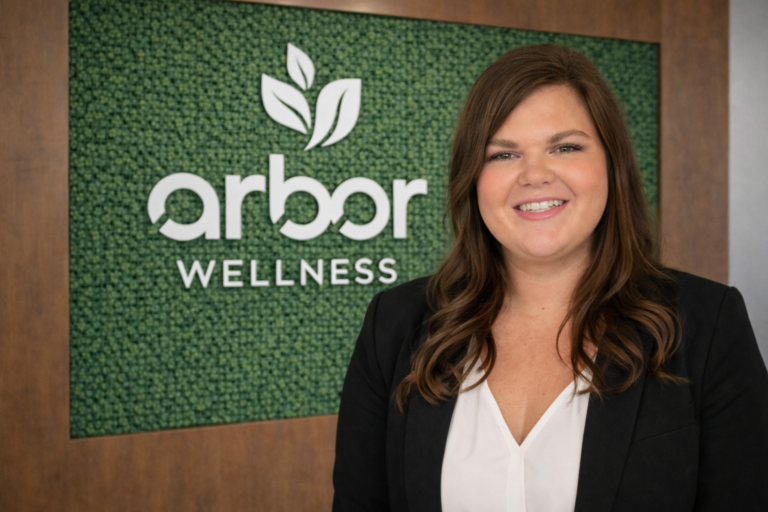
Amanda Johnson
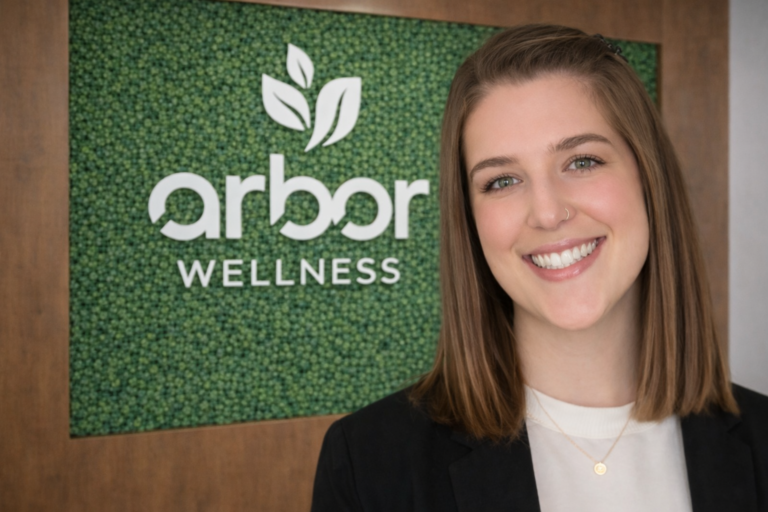
Makayla George, LCSW
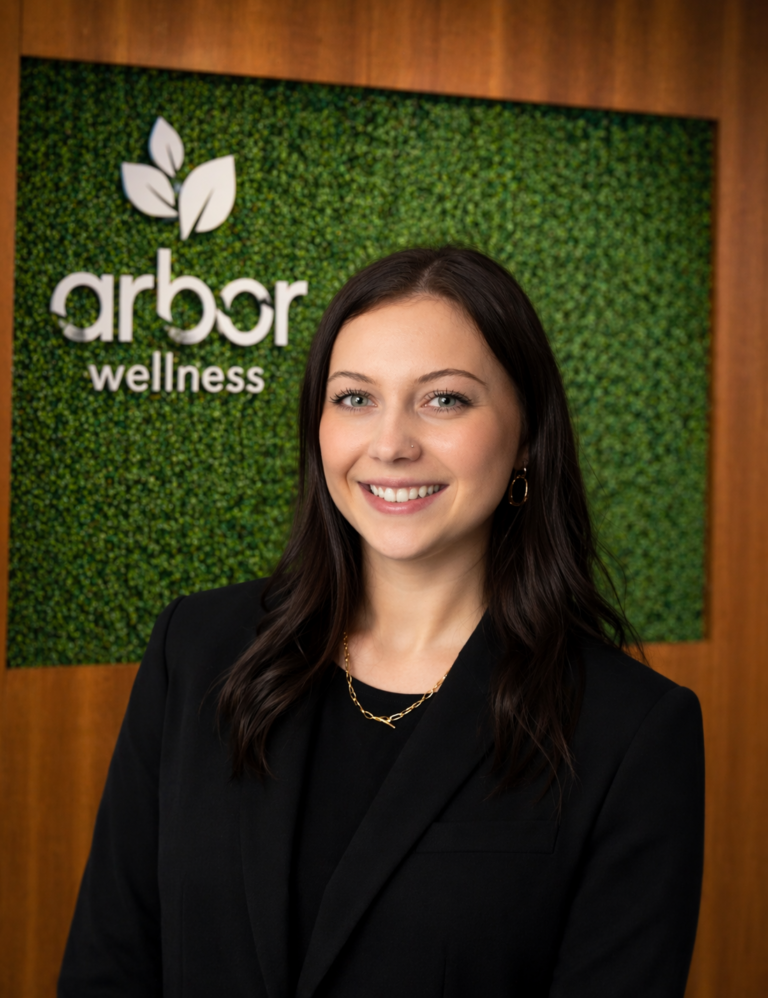
Ainsley Cousin
Real Quotes From clients who found healing
FAQs About Residential Mental Health Treatment Tuscaloosa, in Brentwood, TN
About 240 miles, roughly three and a half to four hours. Take I-20/59 northeast to Birmingham, then I-65 north past Cullman, Decatur, and Athens, across the Tennessee line at Ardmore, and up through Pulaski, Columbia, and Spring Hill into Brentwood. Arbor is a few minutes off I-65 at 200 Winners Circle South. Relatives flying in can use Birmingham-Shuttlesworth International or Nashville International, which is about 25 minutes from the property.
Arbor Wellness is in-network with Blue Cross Blue Shield of Alabama, and that contract includes residential treatment, so traveling to Tennessee does not by itself put an Alabama Blue Cross member out of network. Arbor is also in-network with Aetna and its affiliated networks and with Cigna, including Cigna Allegiance. TRICARE applies to patients 21 and under only. Deductibles and authorization rules vary by plan, so admissions verifies your specific policy first.
It depends on the plan, not the campus. Arbor’s Blue Cross contract is with Blue Cross Blue Shield of Alabama specifically, so a Blue Cross plan issued in another state is not in network here, and neither are Anthem, UnitedHealthcare, or Optum plans. Aetna and Cigna plans are in network wherever they were issued, subject to each plan’s own rules, and TRICARE applies to patients 21 and under. The admissions team can check the card on a first call and explain the options before anyone travels.
No. A psychiatric hospital is built for acute crisis and the most intensive needs, often with locked units, and some patients are there involuntarily. Residential treatment is voluntary and unlocked. Adults stay for several weeks, keep their belongings, sleep in a bedroom, and follow a daily schedule of therapy and psychiatric care. It usually comes after any crisis has been stabilized. If someone in Tuscaloosa is in immediate danger, the Hope Pointe crisis center, 911, or 988 comes first.
Sources
- Alabama Department of Mental Health. (n.d.). Crisis centers. Retrieved from: https://mh.alabama.gov/crisis-centers/. Accessed on October 15, 2026.
- Alabama Department of Mental Health. (n.d.). 988 Suicide and Crisis Lifeline in Alabama. Retrieved from: https://mh.alabama.gov/988/. Accessed on October 15, 2026.
- Alabama Department of Mental Health. (n.d.). Division of Mental Health and Substance Use Services. Retrieved from: https://mh.alabama.gov/division-of-mental-health-substance-abuse-services/. Accessed on October 15, 2026.
- National Institute of Mental Health. (n.d.). Mental illness statistics. Retrieved from: https://www.nimh.nih.gov/health/statistics/mental-illness. Accessed on October 15, 2026.
- National Institute of Mental Health. (n.d.). Depression. Retrieved from: https://www.nimh.nih.gov/health/publications/depression. Accessed on October 15, 2026.
- Substance Abuse and Mental Health Services Administration. (n.d.). Co-occurring disorders. Retrieved from: https://www.samhsa.gov/substance-use/treatment/co-occurring-disorders. Accessed on October 15, 2026.
Overview
- Where it is: Arbor Wellness is at 200 Winners Circle South in Brentwood, Tennessee, south of Nashville. About 240 miles from Tuscaloosa, roughly three and a half to four hours by I-20/59 to Birmingham and then I-65 north. Arbor is not located in Alabama.
- What it is: Voluntary, unlocked residential mental health treatment for adults with complex trauma, treatment-resistant depression, severe anxiety, and bipolar disorder.
- Insurance: Blue Cross Blue Shield of Alabama is in-network, and the contract covers residential treatment. Aetna and Cigna are in-network too. TRICARE applies to patients 21 and under only.
- Out-of-state student plans: A Blue Cross plan issued in another state is not covered by the Alabama contract, which matters for University of Alabama families from elsewhere.
- What it is not: Not a crisis center, not a hospital, and not a commitment.