






When your nervous system is stuck on high alert, a quiet room built for your senses can be the difference between white-knuckling a hard moment and actually moving through it. Here is why that room matters, and how it works.
There is a version of a hard day that ends with someone sitting in a parked car in a Cool Springs lot, engine off, just trying to get steady enough to walk inside. Maybe the radio is turned all the way down. Maybe the air conditioning is the only thing that helps. It is a small, private attempt to do one thing: get a body that has tipped into overwhelm to come back down. Most of us reach for some version of that quiet corner without ever naming why. A sensory room takes that instinct and gives it structure, which is one of the reasons rooms like this exist inside residential care for people whose symptoms need more support than a weekly therapy hour can hold.
For the adult living with complex trauma, depression that has not improved with past treatment, or a mood disorder that has not responded to the usual approaches, and for the family member reading this at the kitchen table wondering whether anything will finally help, the question underneath the search is the same. Is there a place where the body can finally calm down enough for the real work to begin? At our residential treatment program in the Nashville metro, a sensory room is one of the tools that answers yes. It sits alongside clinical therapy, not in place of it, and it gives the nervous system a structured way to settle.
What Emotional Regulation Actually Means
You have likely heard the phrase “emotional regulation” used as though everyone already agrees on what it means. In plain terms, emotional regulation is your ability to feel a strong feeling without being swept away by it. It is the gap between the spike of panic and what you do next. When that gap is wide, you can pause, breathe, and choose. When that gap collapses, the feeling and the reaction become the same thing, and you are left reacting before you even know what happened.
For many people in recovery, that gap has been collapsed for years. Trauma, chronic stress, and certain mental health conditions can keep the body’s alarm system switched on long after any real threat has passed. Clinicians sometimes call this a dysregulated nervous system, which simply means the body keeps bracing for danger that is not actually in the room. The result shows up as racing thoughts, a pounding chest, irritability that arrives out of nowhere, or a kind of numbness where feeling used to be.
The encouraging part is that regulation is a skill, not a fixed trait you either have or lack. The brain and body can relearn how to come back down to baseline. That relearning happens fastest in an environment that feels safe enough for the body to lower its guard, and building that kind of environment is the whole point of a sensory room.
What a Mental Health Sensory Room for Adults Looks Like
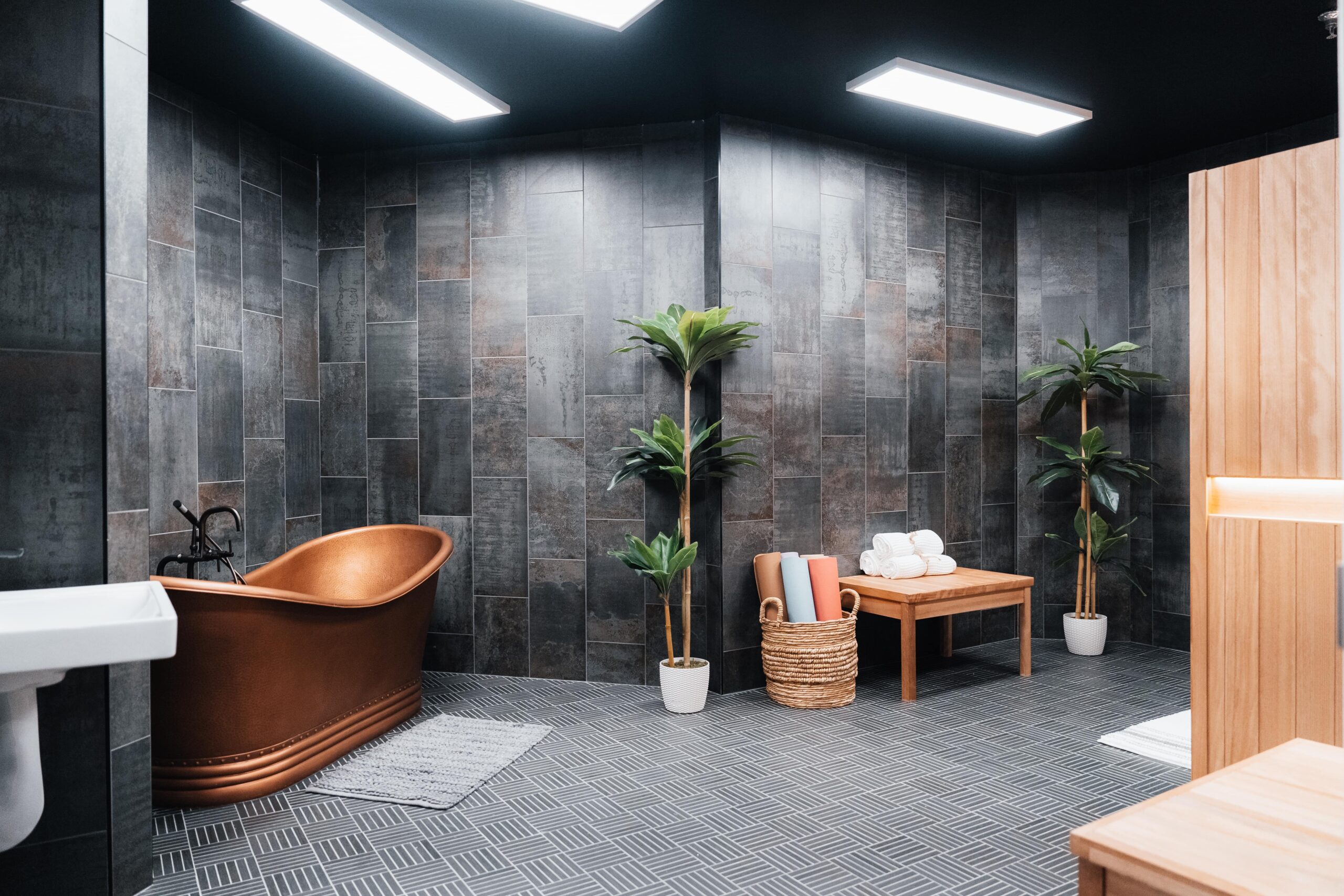
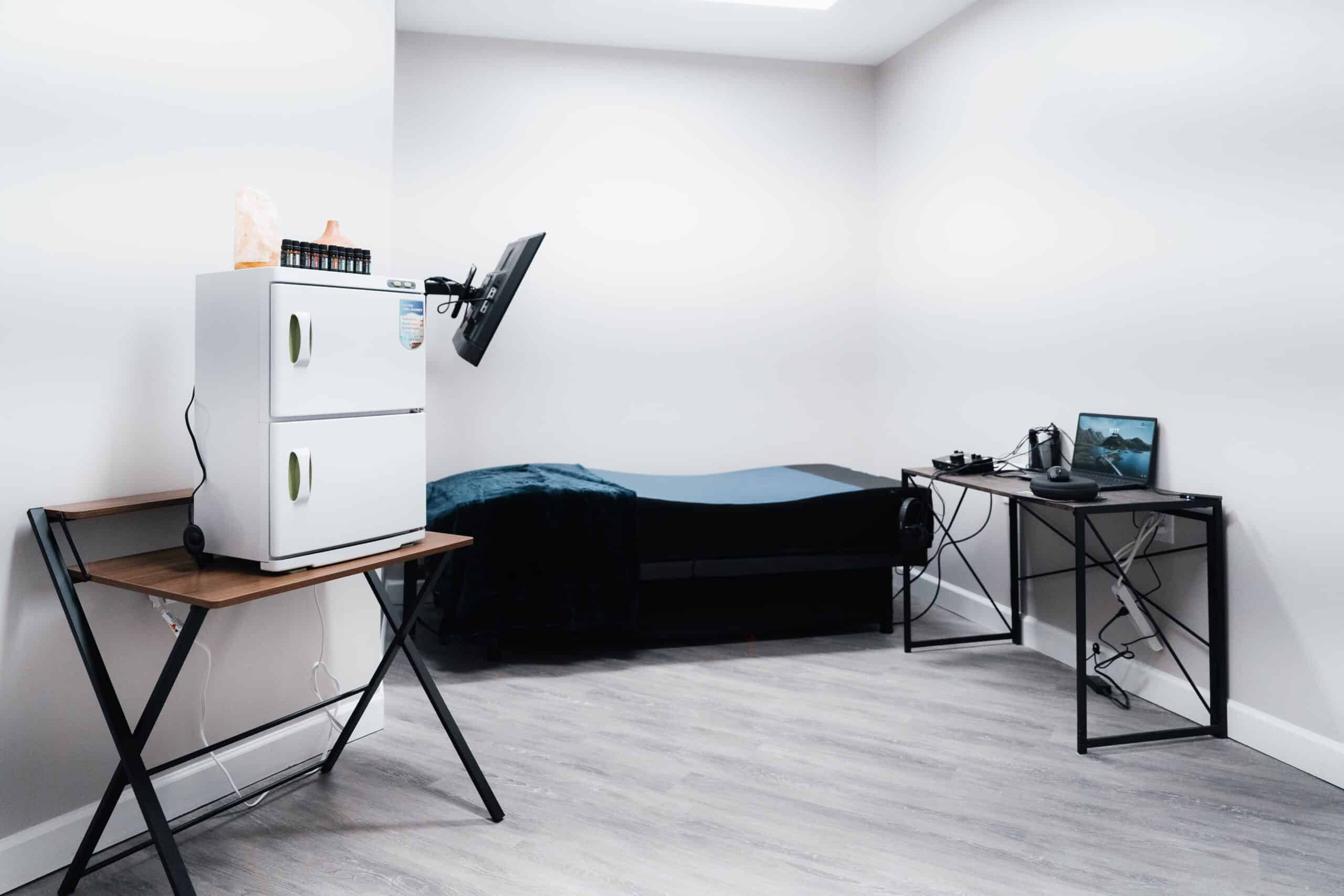
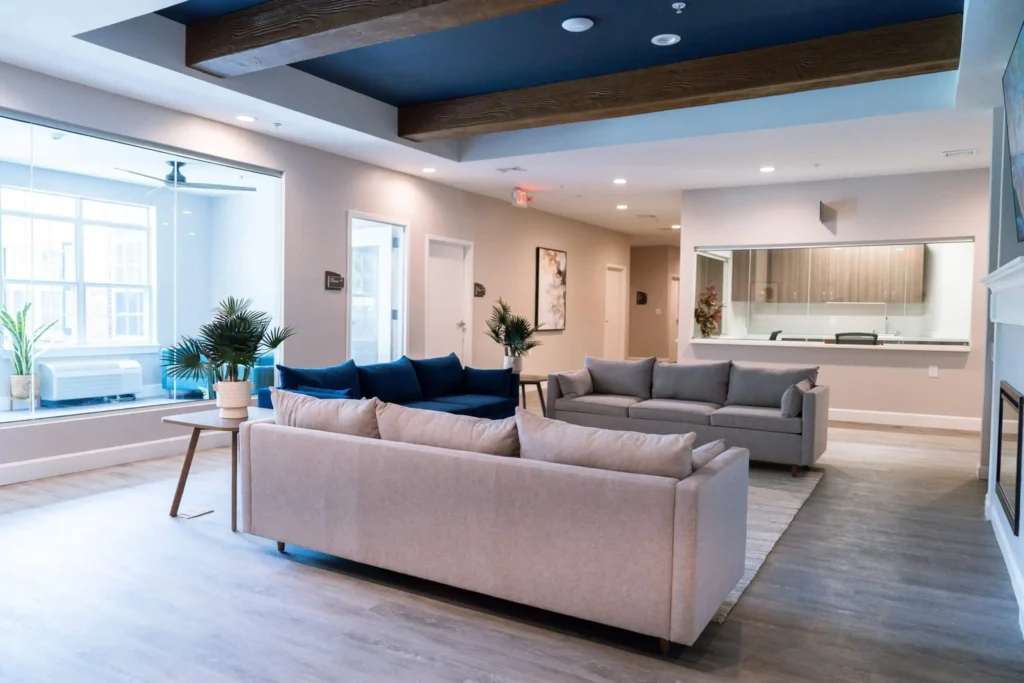
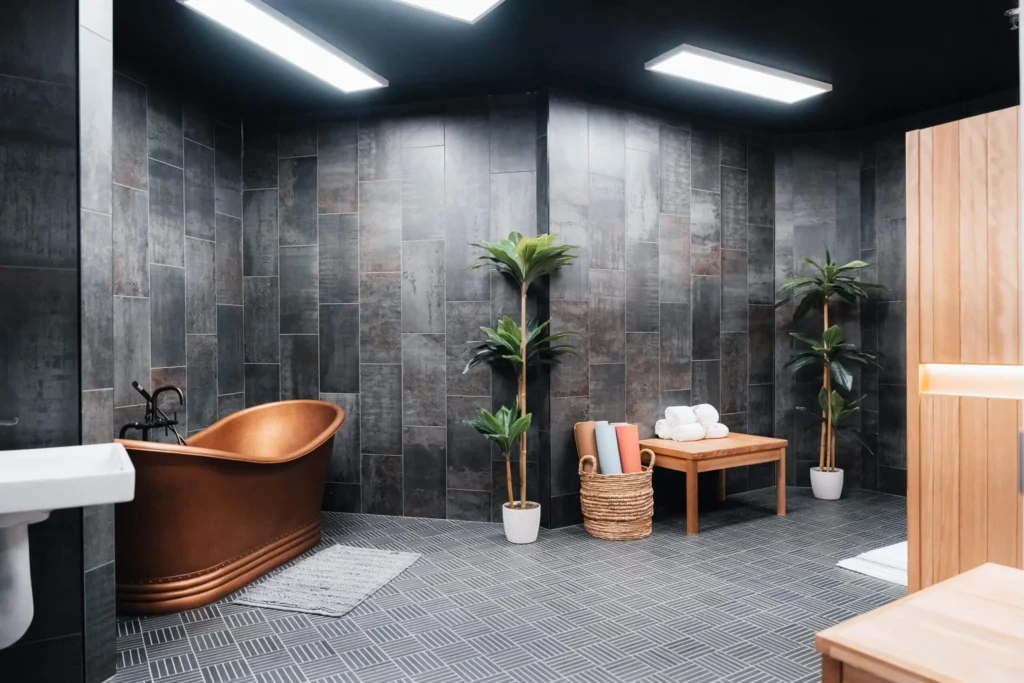
Picture a space stripped of the things that quietly keep your system on edge. Softer light instead of overhead fluorescents. Sound you can control instead of a hallway of noise. A chair built to hold you rather than a waiting-room seat. A sensory room is a dedicated, intentionally calm space where sight, sound, touch, and movement are arranged to help the nervous system shift out of high alert and into rest.
The word “sensory” is doing real work here. Your senses are the doorway your brain uses to decide, second by second, whether you are safe. When the inputs coming through that doorway are gentle and predictable, the brain gets the message that it can stand down. This is the same principle behind why a warm bath or a weighted blanket can take the edge off a hard night, applied with more intention and more clinical thought.
The sensory tools you may find in the room
- A massage chair: Gentle, rhythmic pressure can ease the physical bracing that anxiety holds in the shoulders, neck, and back. The body often relaxes before the mind catches up, and that physical release can quiet racing thoughts.
- Red light therapy: Warm, gentle red light offers a soft visual environment that many people find calming, a deliberate contrast to the harsh lighting that can keep a stressed system activated.
- Controlled sound and quiet: The ability to choose silence, or gentle sound, hands a measure of control back to someone who may feel they have very little of it right now.
- Comfortable, contained space: A room that is clearly bounded and clearly safe gives an overwhelmed nervous system fewer things to scan for threat, which is often the first step toward calm.
None of these tools are gimmicks, and none of them are luxuries dressed up as treatment. They are practical levers for the body’s stress response. Inside a boutique residential setting, comfort is treated as a clinical condition for healing, because a body that feels safe is a body that can finally do the deeper work.
How the Room Connects to the Brain and Body
It helps to understand why a quiet room can change how you feel, because the effect is not magic and it is not willpower. Your body runs on a balance between two systems. One is the stress response, the part that speeds your heart and floods you with adrenaline when it senses danger. The other is the rest-and-recovery response, the part that slows your heart, eases your breathing, and tells your body the danger has passed. In a dysregulated state, the stress system runs the show and the recovery system rarely gets a turn.
A sensory room is built to give the recovery system its turn. Gentle pressure, warm light, and quiet are signals the body reads as safety, and those signals nudge it out of fight-or-flight and toward calm. Over time, and with repetition, the body gets better at making that shift on its own. Researchers studying trauma and the nervous system describe healing as helping the body relearn the difference between past danger and present safety, and a calm sensory environment gives the body repeated, low-stakes practice at telling the two apart. If you want a deeper look at this process, how the nervous system recovers from trauma walks through it in more detail.
This is also why a sensory room rarely works alone. It pairs naturally with body-based therapies that teach the same lesson in a more active way. Somatic therapy, which uses body awareness to release stored stress, and biosound therapy, which uses sound and vibration to guide the body toward a calmer state, both build on the same foundation the sensory room creates. The room calms the system; the therapy teaches the system new patterns.
Why Calming the Body Comes First When Symptoms Are Severe
There is a reason regulation tends to come before the harder emotional work, and it is one of the most validating things to understand if you have struggled to “just talk it out” in the past. A brain in survival mode cannot do the reflective, connective thinking that real therapy requires. When the stress system is running, the thinking and reasoning part of the brain goes quiet so the body can react fast. Asking someone to process old trauma while their body is still braced for danger is like asking them to read in a room where the fire alarm is going off.
For people facing severe symptoms, this matters even more. Complex trauma, severe mood disorders, and depression that has not improved with past treatment often come with a nervous system that has been on alert for a very long time. The body has to feel safe before the mind can do anything with what it has been carrying. A sensory room is one of the places where that safety gets built, one calm moment at a time, so that the work in therapy can actually land.
If you are the one watching someone you love cycle through crisis after crisis, this is worth holding onto. The goal of a place like this is not to ask your person to be stronger or try harder. It is to lower the volume on a body that has been bracing for years, so the person you remember has room to come back. That kind of change tends to come in small increments, a calmer evening here, a shorter recovery from a bad moment there, and it adds up only when the body is given safe places to practice.
Bringing Emotional Regulation Skills Home
A sensory room inside a treatment center is a beginning, not an ending. The deeper goal is to help you learn what your own nervous system responds to, so you can recreate a version of that calm in your own life. The room is a teacher as much as a refuge.
Much of what makes a sensory room effective can travel home with you in smaller forms once you know what works for your body. The point is not the room itself; it is the skill the room teaches.
- Notice your early warning signs: Learning to catch the first flicker of dysregulation, the tight chest or the shortening breath, gives you a chance to act before the feeling takes over.
- Build your own calm inputs: Soft lighting, a weighted blanket, a quiet corner, or gentle sound can each recreate a piece of what the sensory room offers.
- Pair calm with practice: The techniques you learn alongside the room, including Alpha-Stim, a device that uses a mild electrical current to support calming and grounding skills, become tools you carry into stressful days at work or hard nights at home.
- Keep the body in the conversation: Gentle movement, including trauma-informed yoga, keeps teaching the nervous system the difference between tension and safety long after treatment ends.
This is how a single quiet room becomes something larger. The room is where you first feel your body stand down on purpose, and once you have felt it, you can start reaching for that same shift in a parked car, a back bedroom, or a hard hour at work, long after you have left Brentwood and gone home.
Find Steady Ground at Arbor Wellness in Brentwood
If you have read this far, you are probably either tired of feeling at the mercy of your own nervous system or tired of watching someone you love feel that way. Either way, you are in the right place to start. At Arbor Wellness, just south of Nashville in Brentwood and a short drive from BNA airport, our sensory room is one part of a residential program designed to help adults with complex, severe conditions find their footing again. Our clinical team treats comfort and safety as the ground floor of real healing, not as extras. When you are ready to talk through what care could look like, you can start the admissions conversation with our team, and we will go through your options and what your insurance covers without rushing you. Whether care is for you or someone you love, we are here when you are ready.
FAQs About Emotional Regulation With a Sensory Room
A sensory room is a calm, intentionally designed space that uses gentle light, sound, touch, and comfort to help the nervous system shift out of a high-stress state and into rest. In mental health treatment, it is used to support emotional regulation, ease anxiety and overwhelm, and help the body feel safe enough for deeper therapeutic work. It is one tool within a full clinical program, not a replacement for therapy.
Your senses are how your brain decides whether you are safe. When a sensory room delivers gentle, predictable inputs, like soft lighting and soothing pressure, the brain reads those signals as safety and eases out of fight-or-flight. With repetition, the body gets better at making that calming shift on its own, which is the heart of emotional regulation. Over time, you learn what your own nervous system responds to and can recreate that calm in daily life.
Yes. Arbor Wellness in Brentwood, Tennessee, includes a sensory room with a massage chair and red light therapy as part of its residential mental health program. It works alongside therapies such as somatic therapy, biosound therapy, and Alpha-Stim to help adults with severe conditions build the emotional regulation skills that make recovery last. To learn what care could look like for you or someone you love, you can reach our admissions team through the Arbor Wellness website.
Sources
- National Institute of Mental Health. (n.d.). Health topics. Retrieved from: https://www.nimh.nih.gov/health/topics. Accessed on June 18, 2026.
- American Psychological Association. (n.d.). APA. Retrieved from: https://www.apa.org/. Accessed on June 18, 2026.
- Tennessee Department of Mental Health and Substance Abuse Services. (n.d.). Treatment & recovery. Retrieved from: https://www.tn.gov/behavioral-health/substance-abuse-services. Accessed on June 18, 2026.
- Harvard Health Publishing. (n.d.). Harvard Health Publishing. Retrieved from: https://www.health.harvard.edu/. Accessed on June 18, 2026.