









Table of Contents

Medically Reviewed by
Dr. Thompson
Last updated: May 22, 2026
What is Panic Disorder?
Panic disorder is a type of anxiety disorder characterized by recurring, unexpected panic attacks followed by persistent worry about having additional attacks. Unlike situational anxiety, panic attacks in panic disorder often occur without warning or obvious triggers, creating a cycle of fear that can significantly impact daily life.
What is a Panic Attack?
A panic attack is an intense episode of fear or discomfort that reaches its peak within minutes. While panic attacks themselves are not life-threatening, they can feel overwhelming and create lasting fear about when the next one might occur.
Social Anxiety Disorder
Social Anxiety Disorder, also known as social phobia, involves intense fear and anxiety in social situations. Individuals with this condition worry excessively about being judged, embarrassed, or humiliated by others. This fear can be so severe that it interferes with work, school, and personal relationships.
Learn More: Social Anxiety Disorder vs Generalized Anxiety Disorder
Understanding Panic Disorder vs. Panic Attacks
It’s important to distinguish between experiencing occasional panic attacks and having panic disorder:
Panic Attacks
Panic Attacks can happen to anyone and may occur in response to specific stressors, phobias, or life changes. Many people experience one or two panic attacks in their lifetime without developing panic disorder.
Panic Disorders
Panic Disorder involves:
- Recurrent, unexpected panic attacks
- Persistent concern about having additional attacks
- Significant behavioral changes to avoid potential triggers
- Worry about the implications or consequences of panic attacks
- Symptoms that interfere with daily functioning for at least one month
Panic Attack Symptoms: Recognizing the Signs
The 4-7-8 Pattern
Many people with panic disorder notice their symptoms follow a predictable pattern. While the specific “4-7-8 rule” traditionally refers to a breathing technique, in panic attacks, people often experience:
- 4 minutes: Most panic attacks peak within 4 minutes
- 7 symptoms: Typically experience multiple symptoms simultaneously
- 8 physical sensations: Various physical manifestations occur
Common Physical Sensations Include:
- Cardiovascular: Racing heart, palpitations, chest pain or discomfort
- Respiratory: Shortness of breath, feeling of choking or smothering
- Neurological: Dizziness, lightheadedness, trembling or shaking
- Gastrointestinal: Nausea, stomach upset
- Sensory: Hot or cold flashes, tingling or numbness in hands or feet
- Cognitive: Feelings of unreality (derealization) or detachment from self (depersonalization)
- Emotional: Intense fear of dying or losing control
- Physical: Sweating, muscle tension
Take Our Free Anxiety Quiz
Wondering if what you’re feeling could be anxiety?
Our quick, confidential depression screening can help you understand your symptoms and decide on your next steps.
Your mental health matters. Take the first step toward feeling better today.
Panic Disorder Diagnostic Criteria
Mental health professionals use specific criteria to diagnose panic disorder, including:
- Recurrent unexpected panic attacks – At least two attacks that occur without obvious triggers
- Persistent concern – One month or more of worry about additional attacks or their consequences
- Behavioral changes – Significant alterations in behavior related to the attacks (avoiding situations, places, or activities)
- Functional impairment – Symptoms cause clinically significant distress or impairment in social, occupational, or other important areas
- Not attributable to substances – Symptoms aren’t due to drugs, medications, or medical conditions
- Not better explained by other disorders – Symptoms aren’t better accounted for by other mental health conditions
Learn More: Is Panic Disorder a Disability?
Panic Disorder Diagnostic Criteria
While panic disorder and agoraphobia often occur together, they are distinct conditions:
Panic Disorder
Panic Disorder focuses on the fear of panic attacks themselves and their physical symptoms.
Agoraphobia
Agoraphobia involves fear of being in situations where escape might be difficult or help unavailable during a panic attack. This leads to avoidance of:
- Public transportation
- Open spaces (parking lots, bridges)
- Enclosed spaces (theaters, stores)
- Crowds or standing in line
- Being outside the home alone
Many people with panic disorder develop agoraphobia as a secondary condition when they begin avoiding places where they’ve had panic attacks or fear having them.
Triggers and Causes of Panic Disorder
Common Triggers
- Physical sensations: Caffeine, exercise, hot weather, illness
- Emotional stress: Major life changes, relationship problems, work pressure
- Environmental factors: Crowds, enclosed spaces, specific locations
- Cognitive triggers: Worry about health, fear of losing control
- Hormonal changes: Menstruation, pregnancy, menopause
Underlying Causes
- Genetic factors: Family history of anxiety or panic disorder
- Brain chemistry: Imbalances in neurotransmitters like serotonin and GABA
- Trauma history: Past traumatic experiences or chronic stress
- Personality factors: Anxiety sensitivity, perfectionism
- Medical conditions: Thyroid problems, cardiac issues, substance use
- Life transitions: Major changes or losses
Step Inside Arbor Wellness
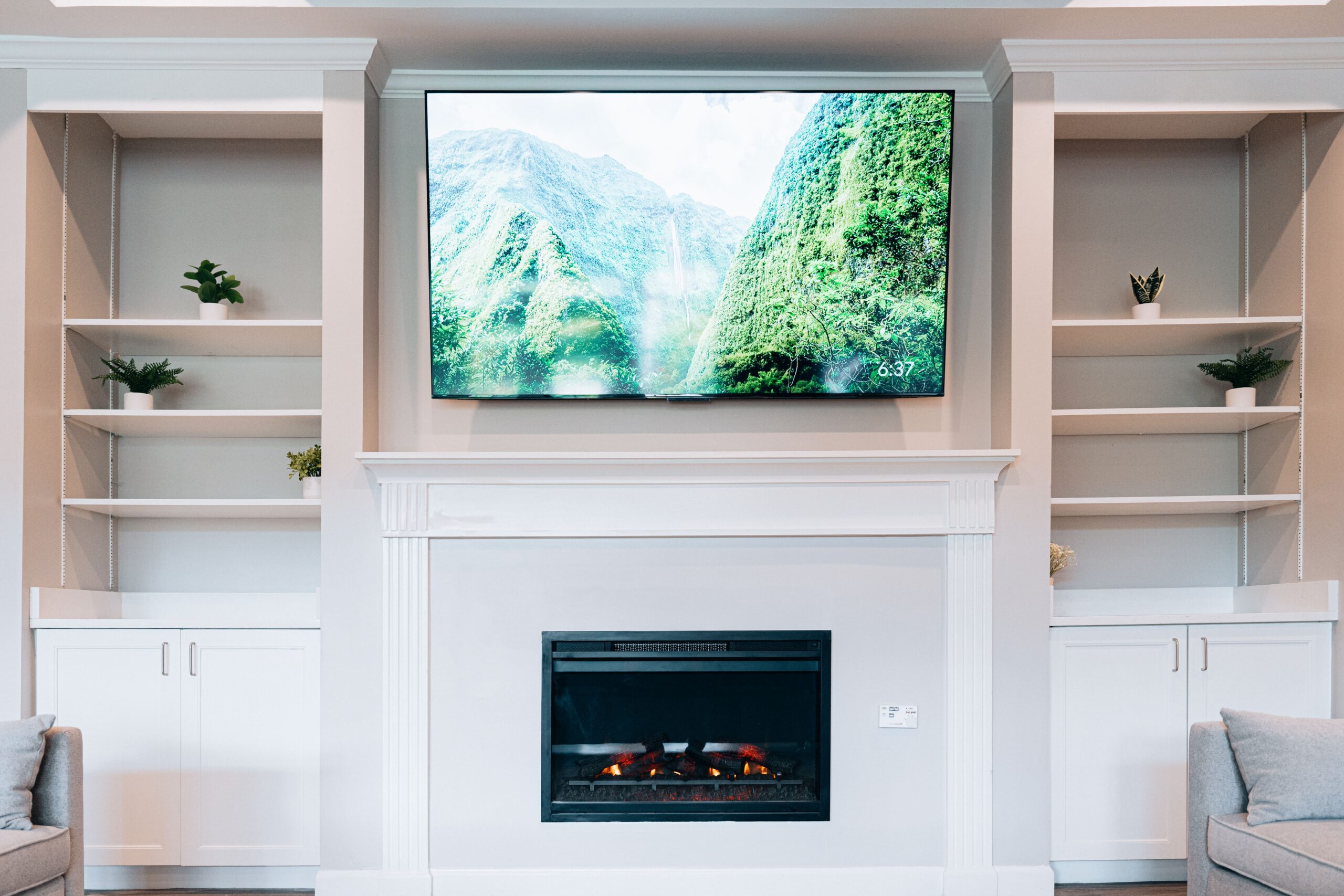
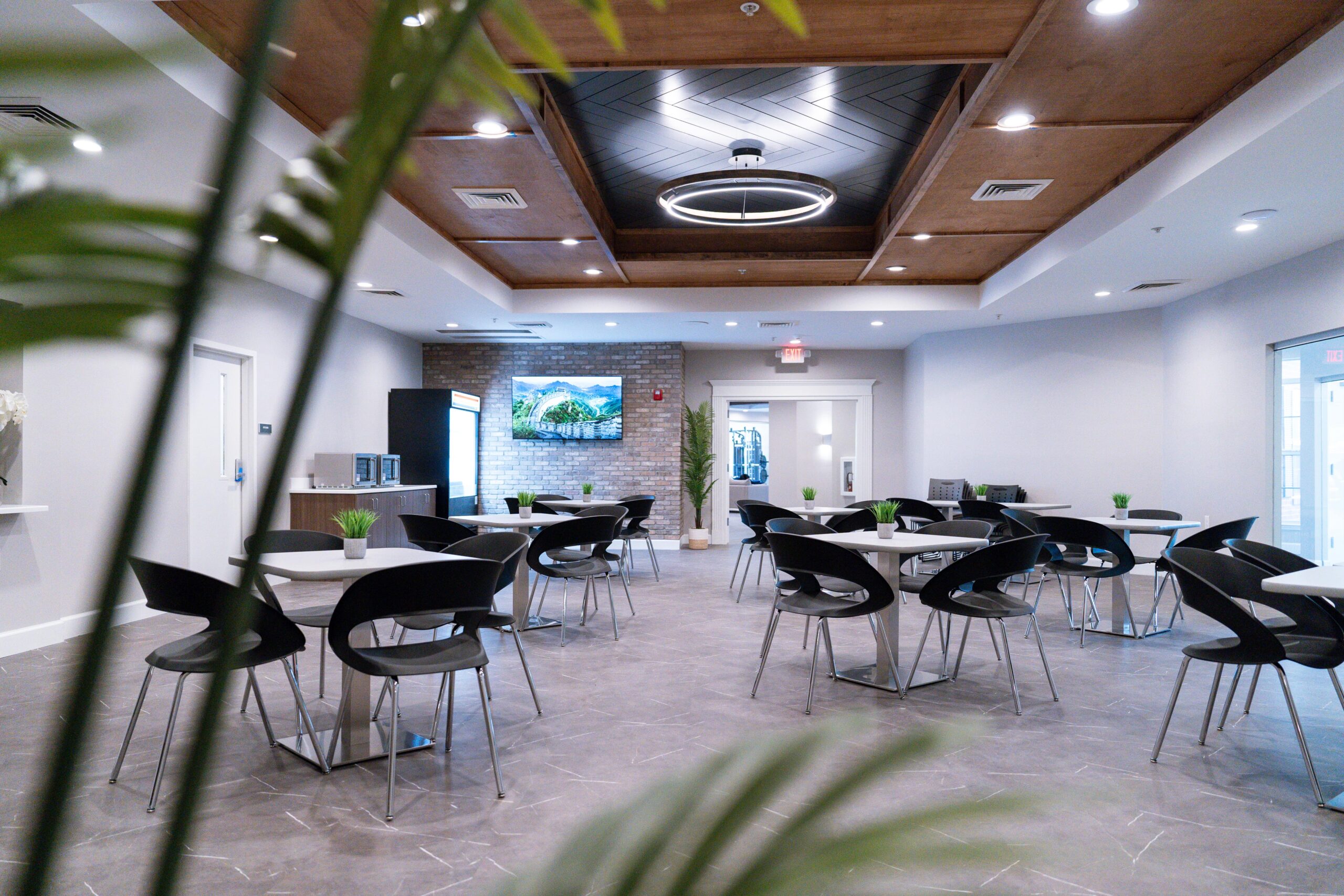
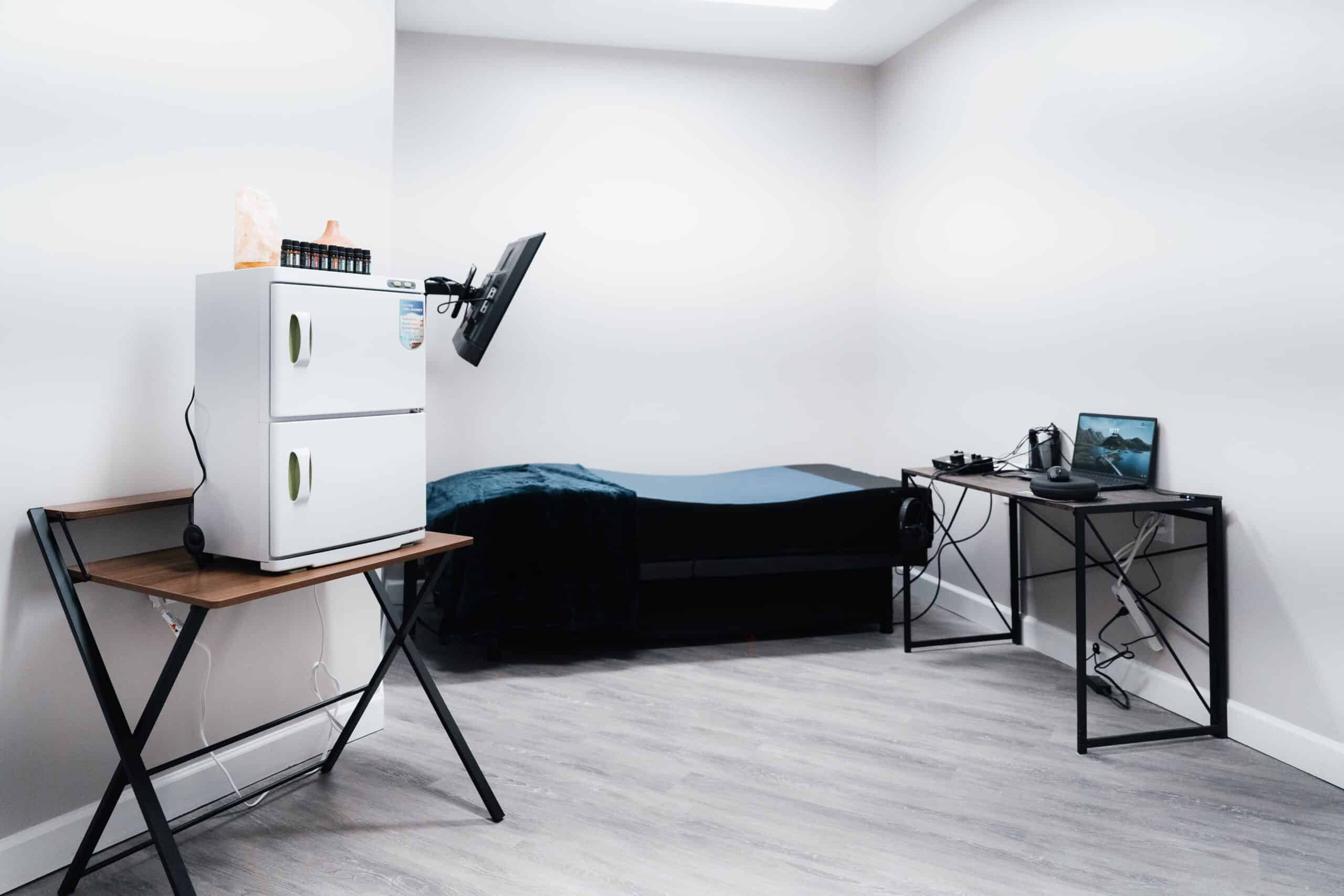
At Arbor Wellness, healing begins the moment you arrive. Our peaceful, modern facility is designed to support your recovery in a safe, comfortable, and welcoming environment. From thoughtfully furnished rooms to tranquil common spaces, every detail is built with your well-being in mind. Explore the video and photos below to see where your next chapter could begin.
Anxiety Treatment Approaches
The journey to overcoming anxiety is deeply personal, and what works for one person may differ for another. Modern anxiety treatment embraces a comprehensive, individualized approach that can include therapy, medication, lifestyle modifications, and specialized interventions.
At Arbor Wellness, we believe in meeting you exactly where you are and crafting a treatment plan that addresses your unique needs, circumstances, and goals.
Cognitive Behavioral Therapy (CBT)
CBT is considered the gold standard for panic disorder treatment. It focuses on:
- Identifying and challenging catastrophic thoughts about panic symptoms
- Learning the connection between thoughts, feelings, and behaviors
- Developing coping strategies for managing anxiety
- Gradual exposure to feared sensations and situations
Panic-Focused Therapy
Specialized approaches include:
- Panic Control Therapy: Combines breathing retraining, cognitive restructuring, and exposure
- Acceptance and Commitment Therapy: Focuses on accepting anxiety while pursuing meaningful activities
- Mindfulness-Based Interventions: Teaching present-moment awareness and acceptance
Medication Options
When appropriate, medications can provide significant relief:
- SSRIs/SNRIs: First-line antidepressants that help regulate brain chemistry
- Benzodiazepines: Short-term relief for severe symptoms (used cautiously)
- Beta-blockers: Help manage physical symptoms like racing heart
Residential Treatment
For severe cases, residential treatment offers:
- 24/7 support and monitoring
- Intensive daily therapy sessions
- Medical supervision for medication management
- Immersive skill-building in a controlled environment
- Peer support from others with similar experiences
Emergency Coping Techniques For Panic Attacks
When a panic attack strikes, try these immediate strategies:
The 4-7-8 Breathing Technique
- Inhale through your nose for 4 counts
- Hold your breath for 7 counts
- Exhale through your mouth for 8 counts
- Repeat 3-4 times
Grounding Techniques
- 5-4-3-2-1 Method: Identify 5 things you see, 4 you can touch, 3 you hear, 2 you smell, 1 you taste
- Cold water: Splash cold water on your face or hold ice cubes
- Muscle relaxation: Tense and release different muscle groups
Self-Talk Strategies
- “This is temporary and will pass”
- “I am safe, this is just anxiety”
- “I have survived this before”
- “My body is responding to a false alarm”
Learn More About Anxiety DIsorders
Discover more about recognizing, understanding, and managing anxiety disorders:
Still have questions?
We’re here to help you find clarity and the right care.
Call us now or click below to verify your insurance and take the first step toward healing.
Long-term Management Strategies
Daily Practices
- Regular exercise: Reduces overall anxiety levels
- Consistent sleep schedule: 7-9 hours of quality sleep
- Stress management: Meditation, yoga, journaling
- Limit caffeine: Reduce triggers that mimic panic symptoms
- Healthy diet: Balanced nutrition supports mental health
Ongoing Skills
- Mindfulness meditation: Daily practice builds resilience
- Progressive muscle relaxation: Regular tension release
- Cognitive restructuring: Challenging anxious thoughts
- Exposure exercises: Gradual re-engagement with feared situations
- Support networks: Maintaining connections with family, friends, and support groups
Prevention Strategies
- Monitor and manage stress levels
- Maintain treatment compliance
- Regular therapy check-ins
- Medication adherence when prescribed
- Healthy lifestyle choices
- Early intervention when symptoms resurface
Why Choose Arbor Wellness?
At Arbor Wellness, we understand that panic disorder affects every aspect of your life. Our comprehensive approach combines evidence-based treatments with compassionate, individualized care to help you reclaim your freedom from panic.
Our Specialized Services Include:
- Expert Assessment: Thorough evaluation to understand your unique situation
- Individualized Treatment Plans: Tailored approaches based on your specific needs and goals
- Evidence-Based Therapies: CBT, DBT, and other proven treatment modalities
- Medication Management: Expert psychiatric care when medication is appropriate
- Residential Programs: Intensive treatment in a supportive, healing environment
- Family Support: Education and therapy for loved ones
- Aftercare Planning: Ongoing support for sustained recovery
- Specialized expertise in anxiety and panic disorders
- Small client-to-staff ratios ensuring personalized attention
- Beautiful, serene environment promoting healing and growth
- Comprehensive approach addressing mind, body, and spirit
- Strong track record of successful outcomes
- Ongoing support throughout your recovery journey
You Are Not Alone.
You Deserve To Get Help.
Arbor Wellness is an industry leader in mental health treatment. Our team of top medical experts specialize in dual diagnosis treatment and are committed to ensuring that each patient is treated as an individual.
Call us today, we’re available 24/7.
Insurance Can Help Cover the Cost of Treatment
We work with most major health insurance plans—including those with out-of-network benefits—to help make detox and recovery more affordable.
Click below to verify your coverage and explore your options today.