






Recognizing the Signs That Outpatient Therapy Is No Longer Enough
Severe anxiety can feel profoundly isolating, especially in a fast-paced, high-growth city like Nashville. When outpatient therapy and standard medications no longer provide relief, the daily effort required simply to survive your own nervous system becomes exhausting. If you or someone you love is struggling with anxiety that interferes with the ability to work, maintain relationships, or perform basic daily tasks, you are not alone—and a higher level of help is available.
Arbor Wellness, located in the peaceful enclave of Brentwood, Tennessee, specializes in intensive residential treatment for severe anxiety for those struggling with treatment-resistant anxiety and other co-occurring conditions. Recognizing when anxiety has escalated beyond the scope of weekly therapy is difficult, but making the decision to seek residential treatment can be profoundly transformative.
Learn the signs of severe, debilitating anxiety, why the Nashville environment can uniquely contribute to it, and how our immersive program provides the ultimate circuit breaker for a dysregulated mind.
How Does Anxiety Escalate from Manageable to Severe?
Anxiety exists on a spectrum. Mild anxiety is a normal human response to stress and can even be adaptive, helping us prepare for challenges. However, when anxiety becomes persistent, intense, and resistant to standard treatments, it crosses into severe territory. We recognize that this distinction is not always obvious to patients or their families.
The progression to severe anxiety often looks like this:
- Uncontrollable Panic: Panic attacks occurring multiple times per week, often waking you from sleep or occurring without any clear external triggers.
- Life-Limiting Avoidance: Your world is shrinking. You avoid work, driving, social events, or even leaving your home to prevent an anxiety spike.
- Physical Exhaustion: Persistent physical symptoms despite medical clearance, including chest pain, heart palpitations, severe GI distress, and chronic insomnia.
- Cognitive Paralysis: Difficulty concentrating, making decisions, or maintaining employment due to racing, catastrophic thoughts.
- Desperate Coping: The emergence of suicidal ideation, self-harm, or substance use as a desperate attempt to numb the overwhelming panic.
Why Nashville Residents Face Unique Anxiety Challenges
Nashville is “Music City”—a vibrant cultural and economic hub that attracts ambitious individuals. While this energy is exciting, it creates a pressure cooker of stress.
Our Brentwood location serves patients from the urban core and surrounding suburbs who frequently report the same regional stressors:
- The Hustle Culture: The competitive music and healthcare industries foster an environment where rejection, irregular hours, and performance pressure are constant.
- Cost of Living and Traffic: Nashville’s explosive growth has brought soaring real estate prices and gridlock traffic on I-65 and I-24, creating chronic, daily micro-stressors that keep cortisol levels high.
- Social Expectations: The culture often emphasizes a polished exterior and relentless achievement, intensifying perfectionism and making it shameful to admit you are struggling.
When Does Outpatient Treatment Become Insufficient?
We believe in outpatient therapy. Modalities like Cognitive Behavioral Therapy (CBT) are highly effective. However, outpatient treatment relies on the patient’s ability to safely return home and apply skills between sessions. It requires a baseline level of stability.
Clinical Indicators for Residential Care:
- Treatment Resistance: You have diligently tried multiple psychiatric medications and therapy modalities without meaningful improvement. In residential care, our medical team can trial novel medication combinations and observe the results in real-time.
- Safety and Functional Impairment: When anxiety causes an inability to care for yourself or dependents, or results in suicidal ideation, a 24/7 monitored environment is medically necessary to ensure safety.
- Complex Co-occurring Conditions: Severe anxiety rarely travels alone. It frequently co-occurs with major depression, PTSD, or substance use. Residential treatment allows our clinical team to address these overlapping conditions simultaneously, rather than trying to untangle them in a one-hour weekly session.
What Happens During Residential Treatment for Severe Anxiety at Arbor Wellness?
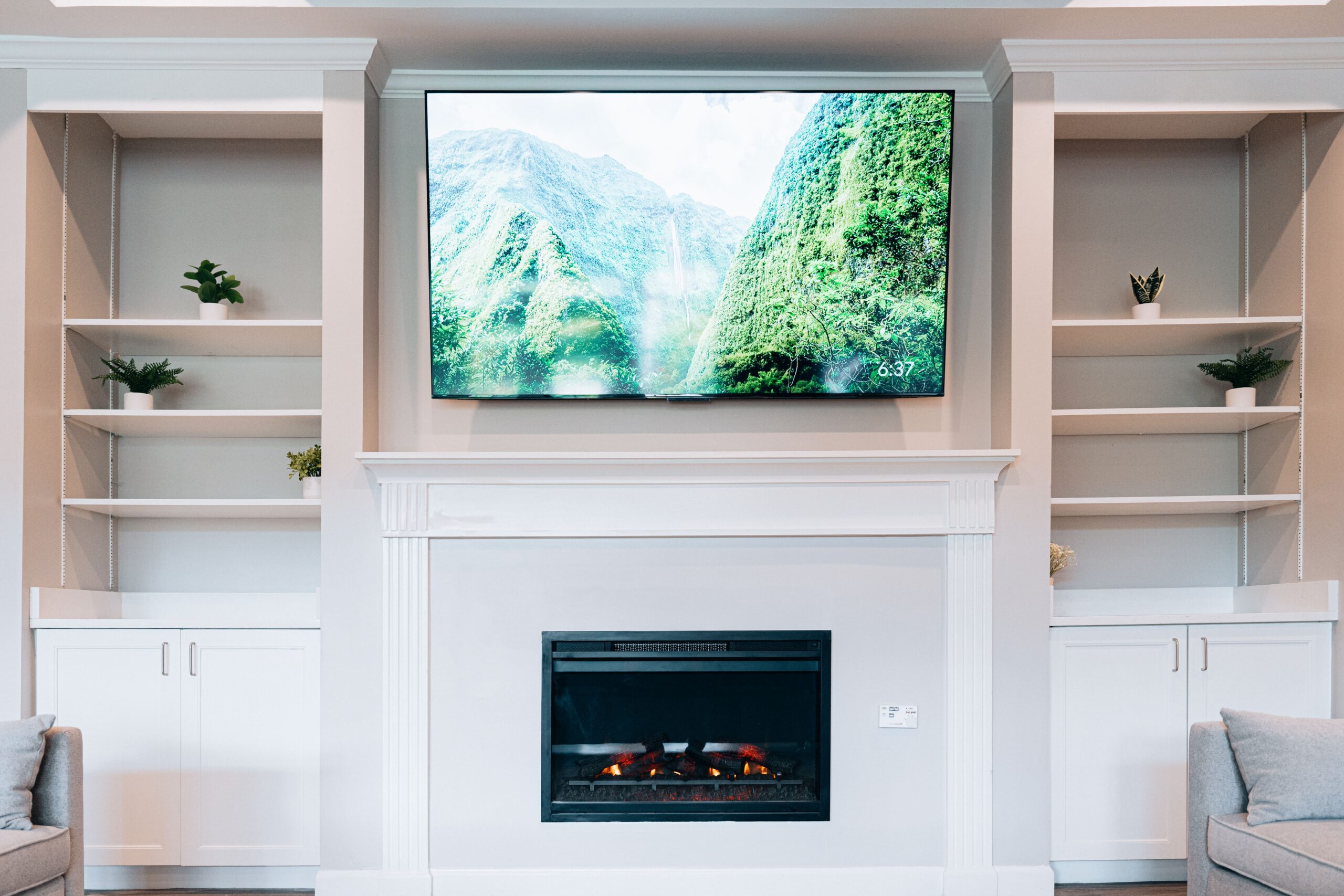
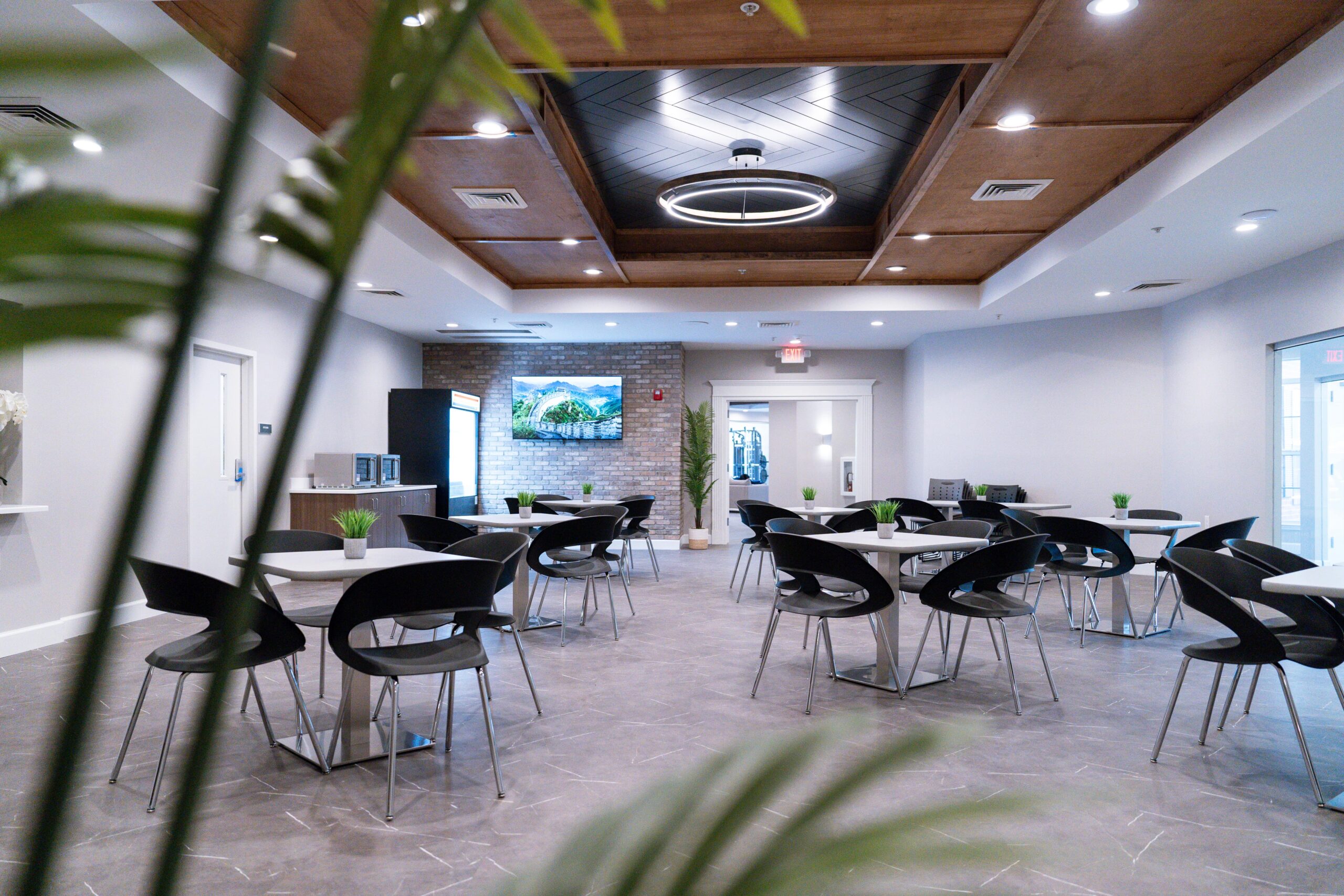
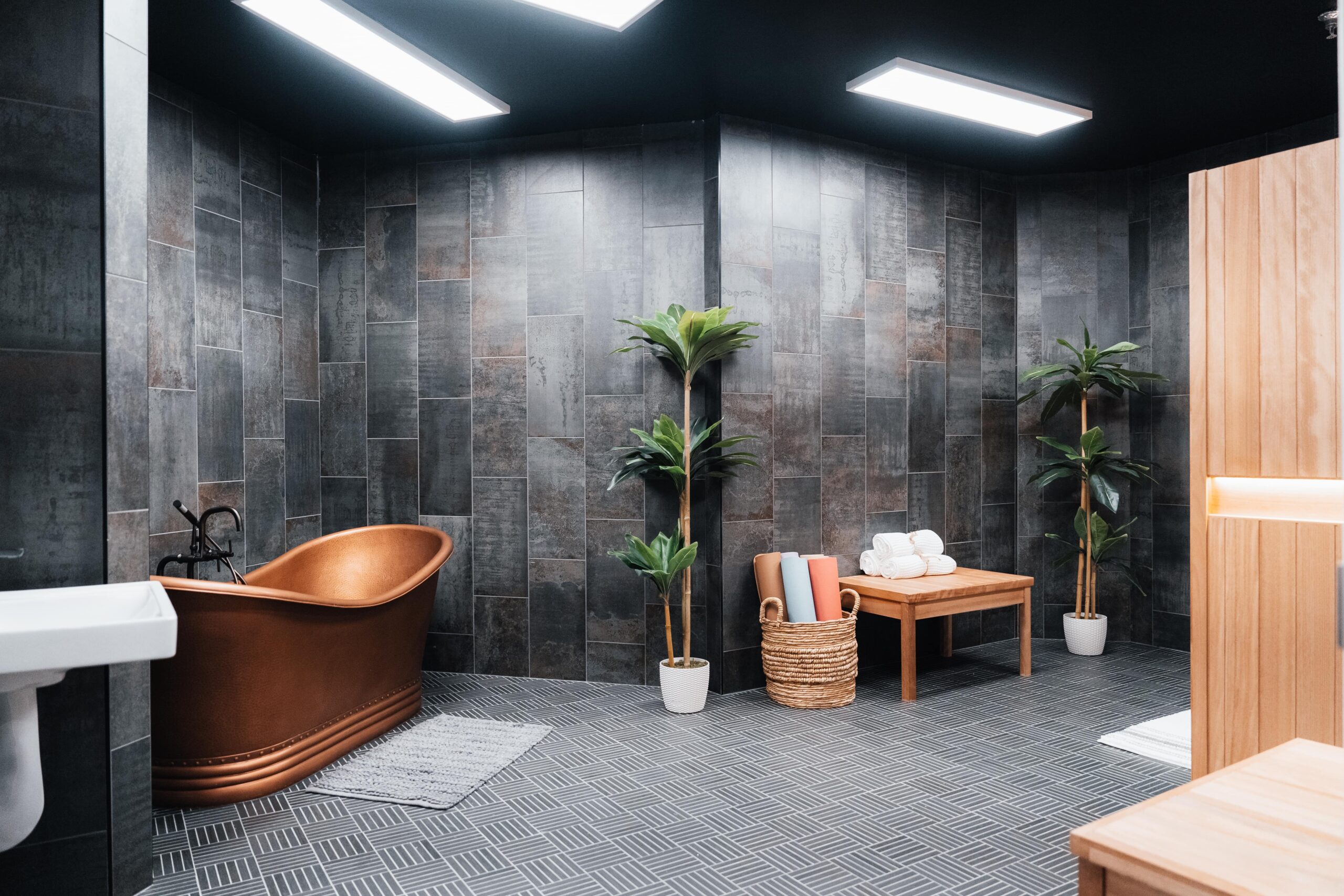
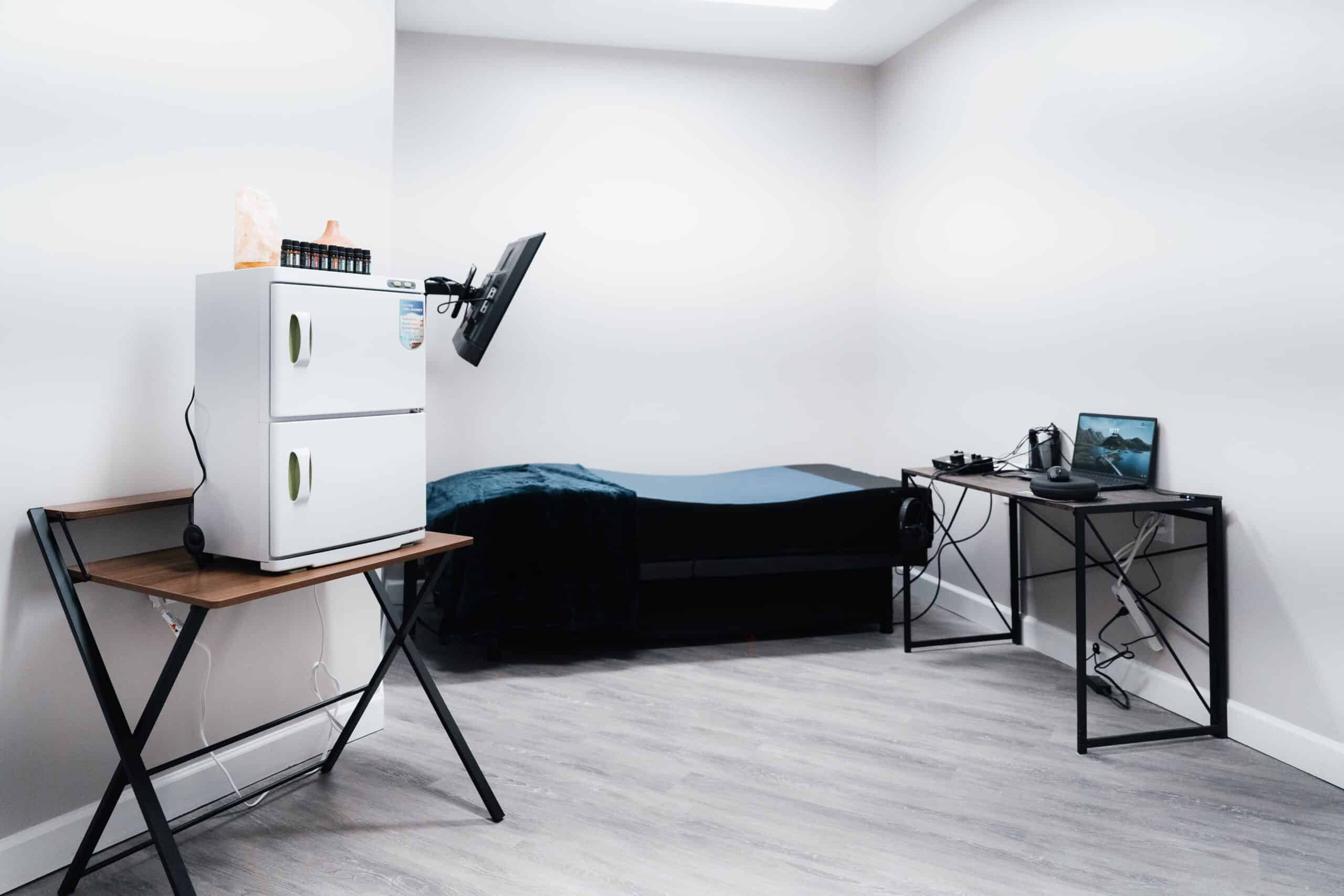
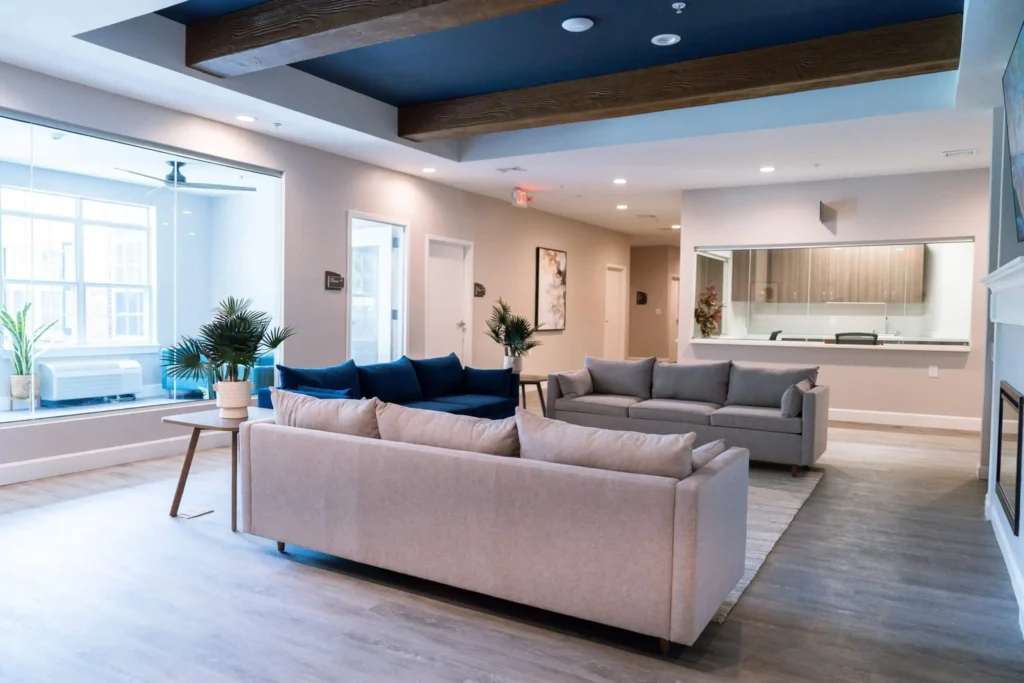
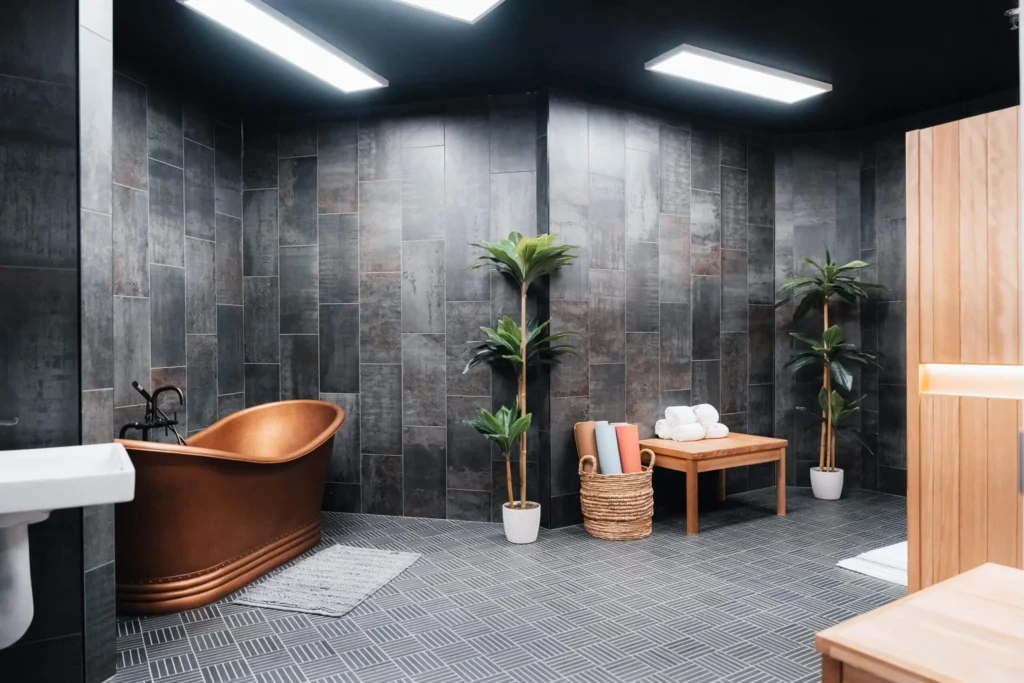
Our 30,000-square-foot facility in Brentwood provides a sanctuary specifically designed to reduce environmental stress. A residential stay provides the ultimate “pattern interrupt,” removing you from the triggers of your daily life.
Multi-Modal Therapeutic Interventions
We do not rely on a single therapeutic approach. Your treatment plan will incorporate:
- Intensive Psychotherapy: Daily engagement in CBT to restructure catastrophic thinking, and Dialectical Behavior Therapy (DBT) to build immediate distress tolerance skills.
- Precision Psychiatry: Daily medical monitoring and the use of genetic testing (GeneSight) to tailor your medication regimen to your specific biology.
- Advanced Nervous System Regulation: Exclusive access to Biosound Therapy, which uses specialized sound frequencies and vibration to physically activate the parasympathetic nervous system, forcing the body to relax when the mind cannot.
- Holistic Wellness: Nutritional counseling, yoga, and meals prepared by our private chef to ensure your brain has the chemical building blocks necessary for recovery.
Learn More: Biosound Therapy: How the Science of Vibration and Sound Aid Mental Health Recovery.
Take the First Step: Reclaim Your Life
We understand that reaching out for help—and considering leaving your home for treatment—is terrifying when you already have severe anxiety. But seeking residential care is a sign of immense strength and self-awareness.
If anxiety has taken control of your life, Arbor Wellness is ready to help you take it back.
Contact our admissions team today for a confidential assessment. We respond quickly because we know that an anxiety crisis cannot wait.
Frequently Asked Questions About Residential Treatment for Severe Anxiety
How long does residential treatment for severe anxiety typically last?
Most patients at Arbor Wellness stay for 30 to 45 days, depending on severity and individual progress. We base discharge on clinical readiness, ensuring you have the coping skills needed to transition safely to an Intensive Outpatient Program (IOP).
What if I have tried medication before and it didn’t work?
Treatment-resistant anxiety is common. In a residential setting, our psychiatrists can safely trial novel medications or combinations, utilizing genetic testing to understand exactly how your liver metabolizes psychiatric drugs.
Is residential treatment confidential, and what about my job?
Absolutely. Your treatment is strictly protected by HIPAA. Many patients utilize the Family and Medical Leave Act (FMLA) to take a protected medical leave of absence from work, and our team can assist with the necessary general medical documentation.
Sources
- National Institute of Mental Health. (2023). Generalized Anxiety Disorder: What You Need to Know. Retrieved from: https://www.nimh.nih.gov/health/publications/generalized-anxiety-disorder-gad. Accessed on February 27, 2026.
- Carpenter, J. K., et al. (2018). Cognitive behavioral therapy for anxiety and related disorders: A meta-analysis of randomized placebo-controlled trials. Depression and Anxiety. Retrieved from: https://pubmed.ncbi.nlm.nih.gov/29451967/. Accessed on February 27, 2026.
- American Psychiatric Association. (2023). Clinical Practice Guidelines for Anxiety Disorders. Retrieved from: https://www.psychiatry.org/psychiatrists/practice/clinical-practice-guidelines. Accessed on February 27, 2026.