






Healing the Deepest Wounds in a Safe, Sanctuary Environment
Trauma is not just a single event; for many, it is a landscape they have lived in for years. While Post-Traumatic Stress Disorder (PTSD) is often associated with a distinct incident like a car accident or combat, Complex PTSD (C-PTSD) is different. It stems from prolonged, repeated trauma—often in childhood or within relationships—where there was no escape. The symptoms are pervasive, affecting emotional regulation, self-worth, and relationships. For individuals living with C-PTSD, standard outpatient therapy once a week is often like trying to empty the ocean with a spoon. The nervous system is so dysregulated that deep healing requires a higher level of intervention.
At Arbor Wellness in Nashville, TN, we specialize in treating high-acuity mental health conditions, with a specific focus on complex trauma. As part of the Evoraa Health network, we adhere to the “Evoraa Standard” of integrated, compassionate care. We believe that “Freedom Begins Here,” and for trauma survivors, freedom means breaking the chains of the past. Here is why residential treatment is often the critical turning point for C-PTSD recovery.
Why C-PTSD is Different
Complex PTSD includes the standard symptoms of PTSD (flashbacks, avoidance, hypervigilance) but adds a layer of “disturbances of self-organization.” This means the trauma has fundamentally altered how you see yourself and the world.
- Emotional Dysregulation: Intense, uncontrollable mood swings or chronic numbness.
- Negative Self-Concept: Deep feelings of shame, guilt, or feeling “permanently damaged.”
- Relationship Difficulties: A persistent inability to trust or sustain relationships due to fear of abandonment or abuse.
Because these symptoms are woven into the fabric of daily life, healing requires more than just processing a memory; it requires rebuilding the self.
The Residential Advantage: Safety as the Foundation
The first rule of trauma recovery is safety. You cannot heal if your nervous system is constantly scanning for danger. In your daily life, triggers are everywhere—a stressful job, a difficult relationship, financial pressure. Residential treatment at Arbor Wellness creates a “safety bubble.”
- Physical Safety: Our facility is a sanctuary. Located in the peaceful setting of Brentwood, it removes you from the environment that may be perpetuating your stress.
- Psychological Safety: You are surrounded by trauma-informed staff 24/7. From our Clinical Director to our support staff, everyone operates with the question “What happened to you?” rather than “What is wrong with you?” This validation is medicinal.
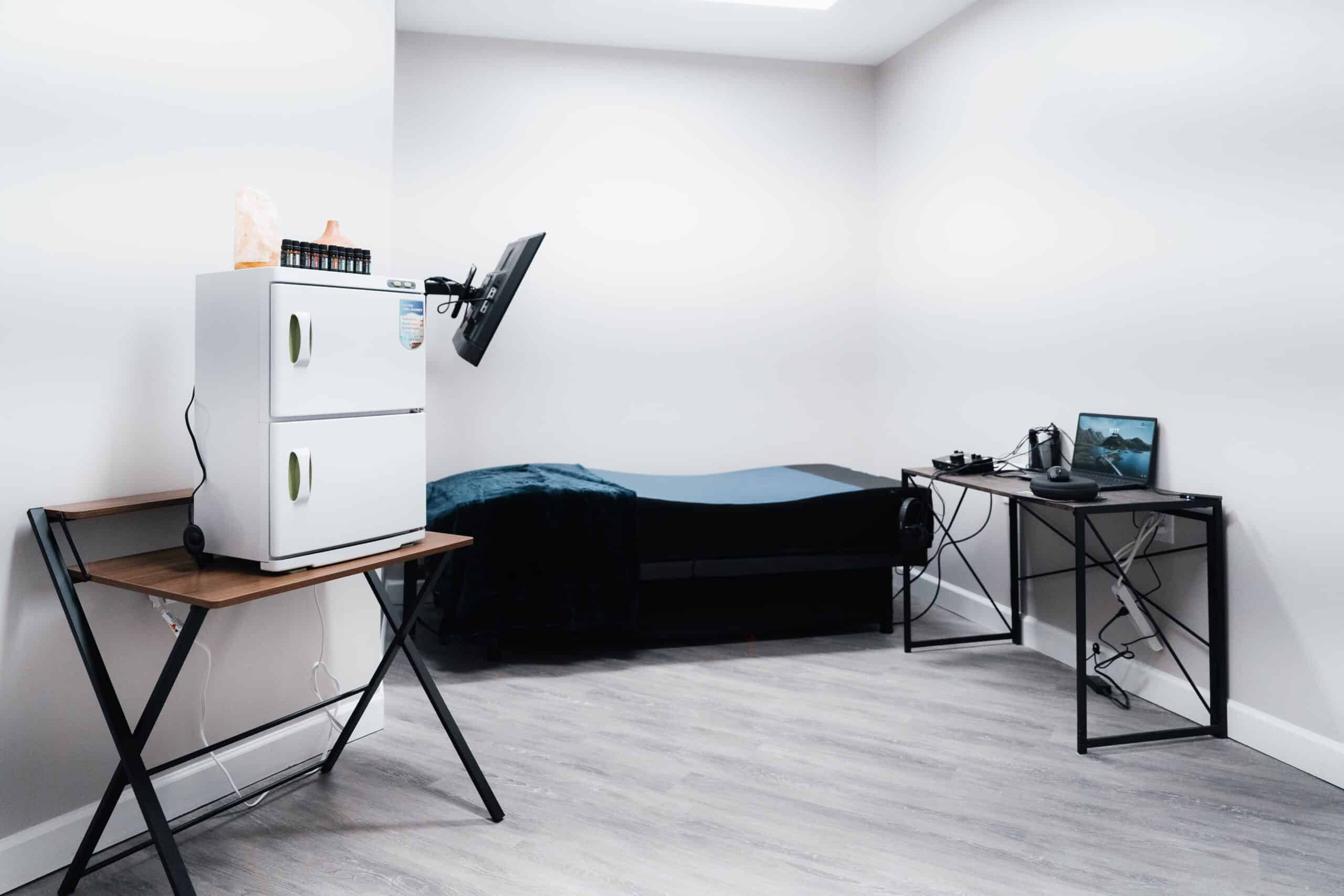
- Nervous System Regulation: Before you can process trauma, you must be calm. We use advanced therapeutics like Biosound Therapy—a vibroacoustic bed that uses sound frequency massage to induce a meditative theta state—to physically calm the fight-or-flight response.
Learn More: Science of Biosound Therapy: How Vibration and Sound Aid Mental Health Recovery.
Clinical Precision: Treating the Root
At Arbor Wellness, we don’t just stabilize symptoms; we target the root cause. Our residential program allows for an intensity of therapy that accelerates healing.
Trauma-Informed Modalities
We utilize evidence-based practices specifically for trauma:
- EMDR (Eye Movement Desensitization and Reprocessing): This modality helps the brain “digest” traumatic memories so they no longer carry a heavy emotional charge. In a residential setting, we can do this intensive work safely because you have immediate support if difficult emotions arise.
- Somatic Therapy: Trauma lives in the body. Talk therapy alone often can’t reach it. We use body-centered therapies to release stored tension and trauma energy.
- Genetic Testing (GeneSight): Often, Complex PTSD is misdiagnosed or medication is ineffective. We use genetic testing to determine exactly how your body metabolizes medication, taking the guesswork out of psychiatric care.
A Boutique Healing Experience
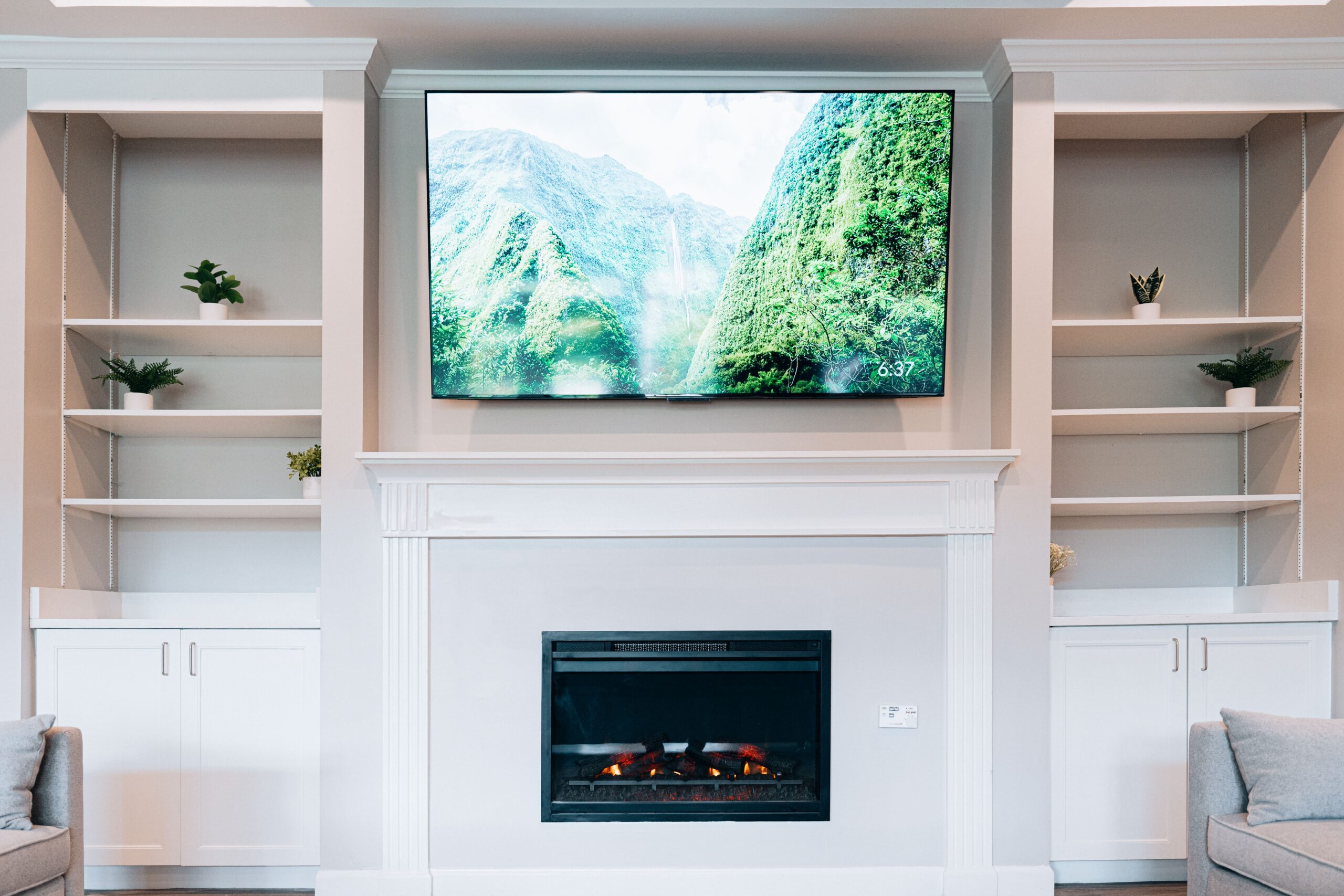
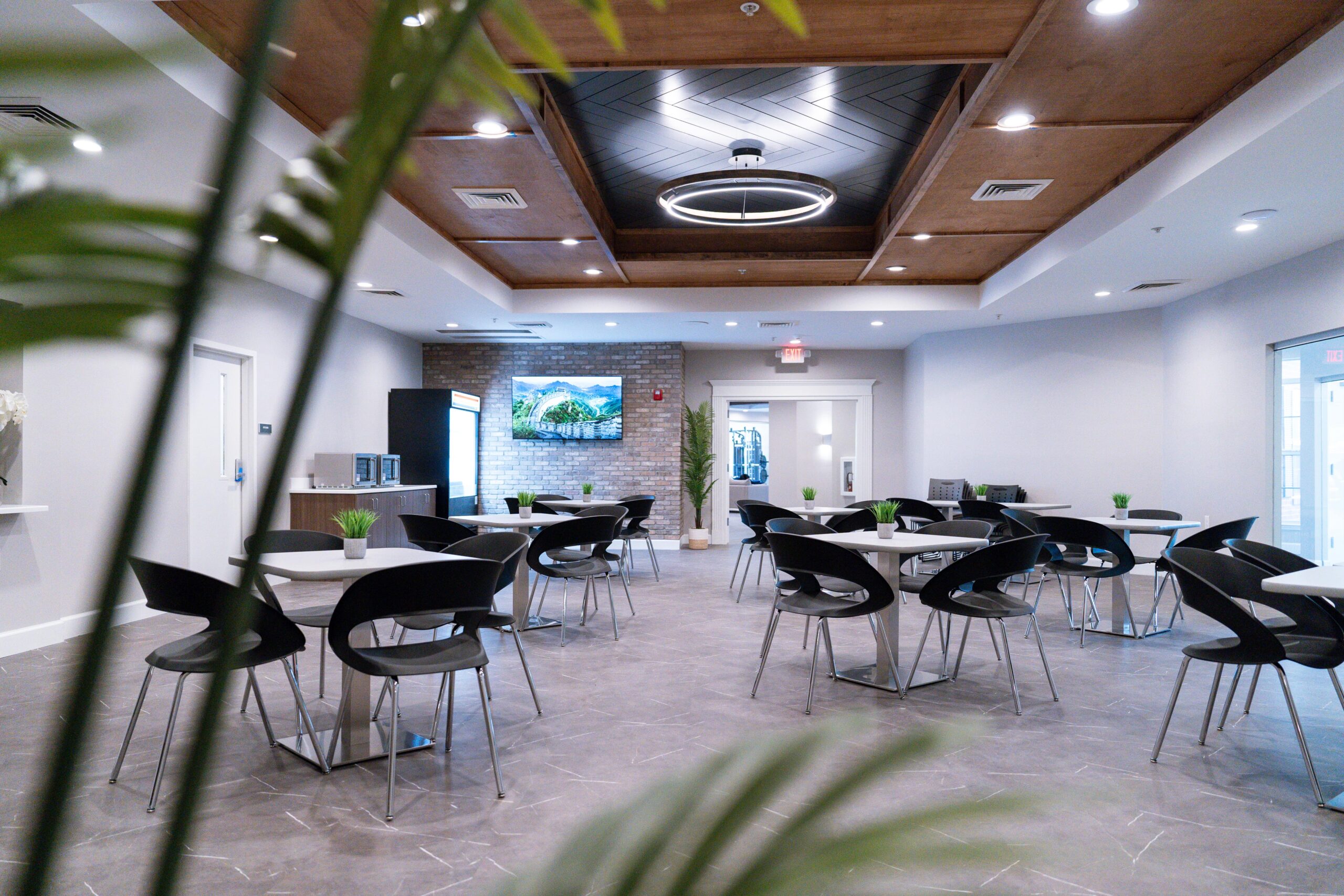
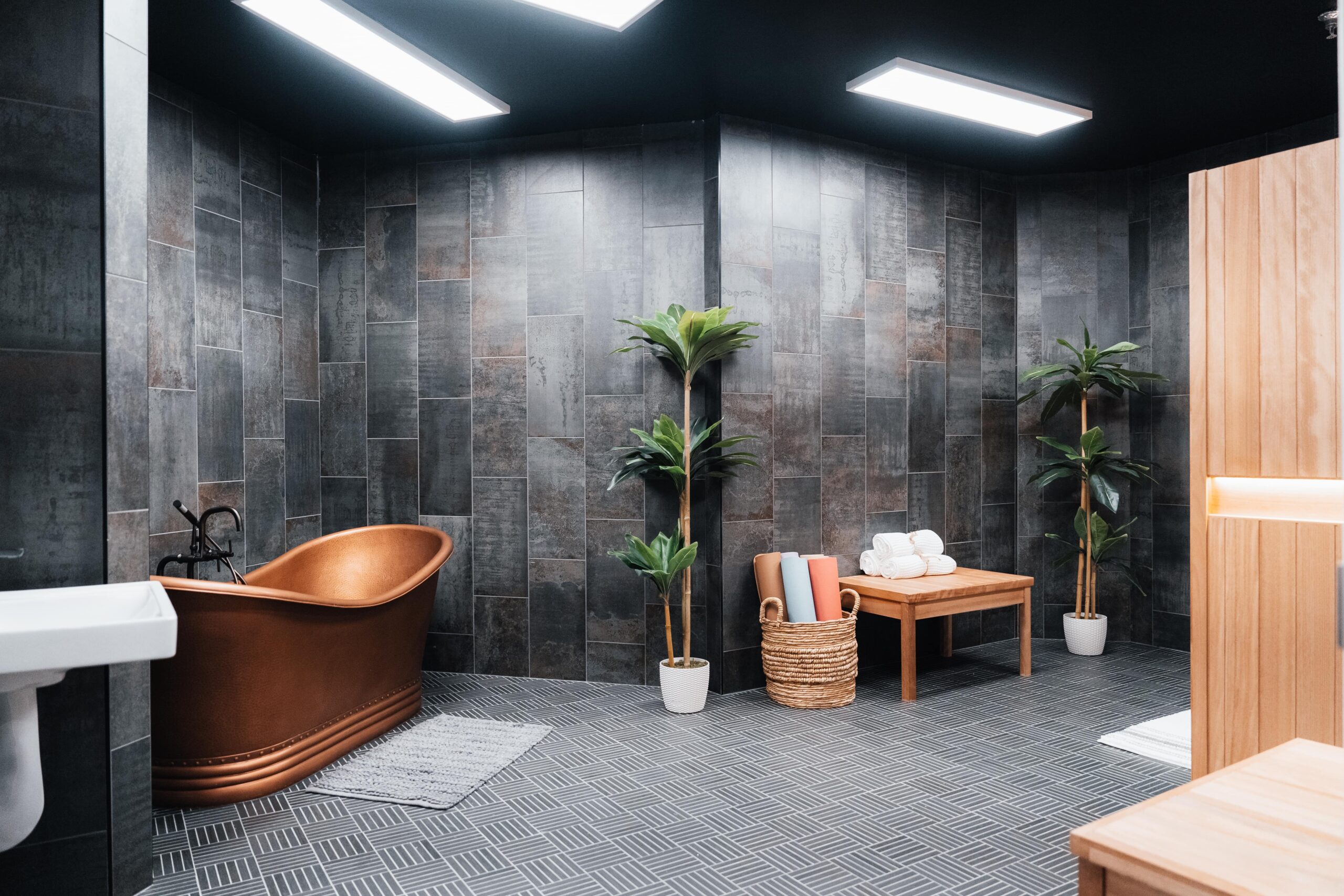
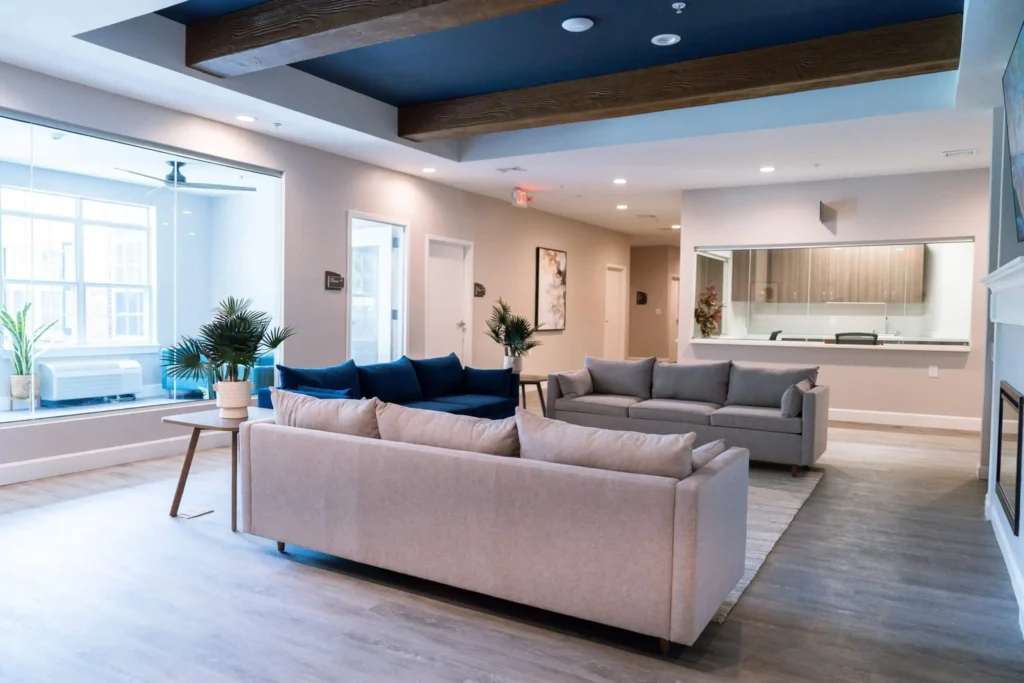
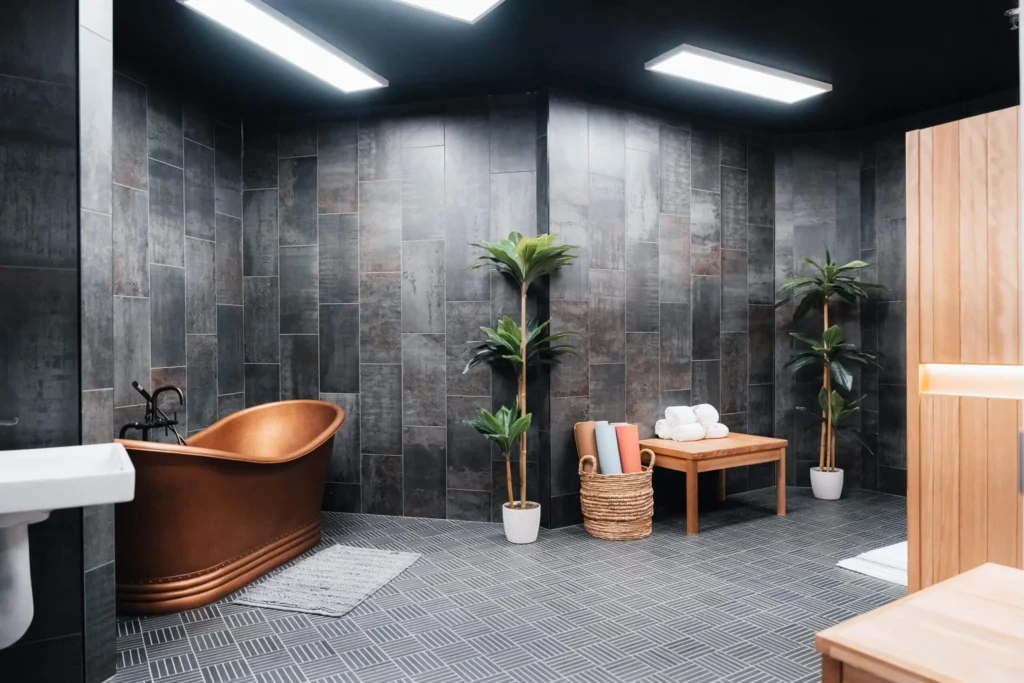
We are not a cold, clinical institution. Arbor Wellness is designed as a “boutique” experience because we know that environment matters. Healing from trauma requires dignity.
- Comfort: Our luxury accommodations and private chef ensure that your physical needs are met with care, signaling to your brain that you are worthy of nurture.
- Nature: Access to our wooded campus allows for “ecotherapy,” using nature to ground the spirit.
Reclaim Your Story
Complex PTSD tells you that you are broken. We are here to tell you that you are injured, and injuries can heal. Residential treatment is not a pause in your life; it is the start of a new chapter.
If you are ready to find freedom from the past, contact Arbor Wellness today. Our admissions team is available 24/7 to listen to your story and help you begin your journey home to yourself.
Frequently Asked Questions About Complex PTSD
What is the difference between PTSD and Complex PTSD?
PTSD is typically caused by a single event, while Complex PTSD results from repeated, long-term trauma (like childhood neglect or domestic violence) and includes deeper issues with self-worth and emotional regulation.
How long is the residential program?
Length of stay varies based on individual need, but trauma recovery often requires a stay of 30-45 days to ensure stability and deep processing.
Do you use medication?
Yes, if appropriate. Our Medical Director, Dr. Seth Thompson, specializes in mood disorders and PTSD. We use genetic testing to find the most effective medication with the fewest side effects.
Sources
- Herman, J. L. (1992). Trauma and Recovery. Basic Books.
- National Institute of Mental Health. (2023). Post-Traumatic Stress Disorder. Retrieved from: https://www.nimh.nih.gov/health/topics/post-traumatic-stress-disorder-ptsd. Accessed on February 3, 2026.
- NAMI. (2023). Mental Health Resolutions. Retrieved from: https://www.nami.org/. Accessed on February 3, 2026.

